
All Reports
All Articles · 91
Taiwan's Two Faces
The whole world depends on Taiwan's chips — and is quietly preparing for the day it might lose them. The same island is both the heart of the supply chain and a geopolitical powder keg. How can Taiwan's companies turn "irreplaceable" into an advantage that lasts?
September 11: The Loophole Clock Starts Ticking — How the EU CRA's 24/72-Hour Rule Rewrites Taiwan's Hardware Exports
The reporting obligations of the EU's Cyber Resilience Act take effect early, on September 11, 2026. They do not require every vulnerability to be disclosed within a day — they require the legal manufacturer of a product to issue a 24-hour early warning, a 72-hour notification, and a follow-up final report once it becomes aware of an actively exploited vulnerability or a severe security incident. The real impact on Taiwan is that brand owners will push that statutory clock backward onto their ODMs, component suppliers, and software supply chains.
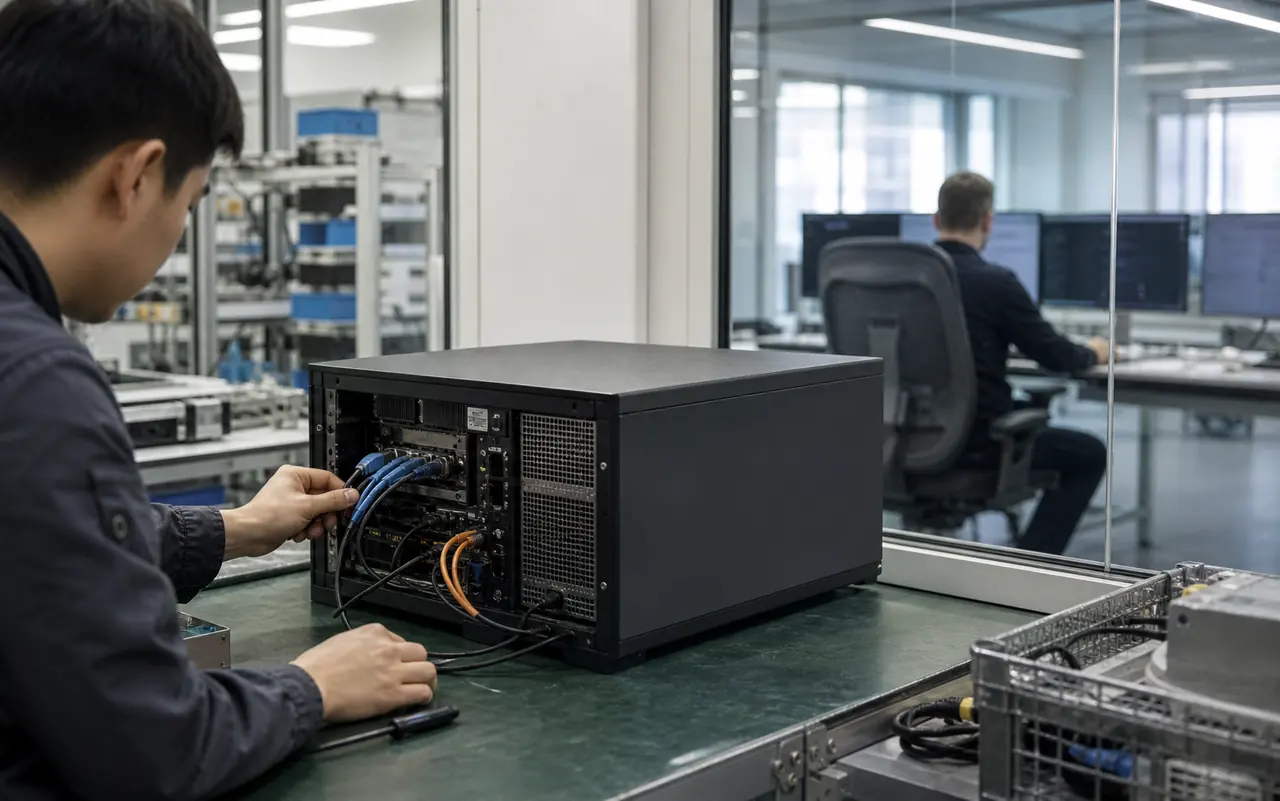
The AI Act Starts Enforcing: For Taiwanese Models, SaaS and Content Platforms Entering the EU, Who Is Provider, Who Is Deployer?
The EU AI Act has entered a new phase of enforcement and transparency obligations. The real first question for Taiwanese companies is not where the underlying model comes from, but which legal role they occupy in each product, brand and use case.
Products Need a Résumé Too: The EU's DPP Registry Is Live — Who Controls Taiwanese Suppliers' Data?
The EU's DPP Registry has gone live, but not every product becomes mandatory on the same day, and it does not mean a complete data set gets uploaded to a central EU database. What Taiwanese suppliers really need to decide now is who controls identifiers, hosting, access, updates and transfer.
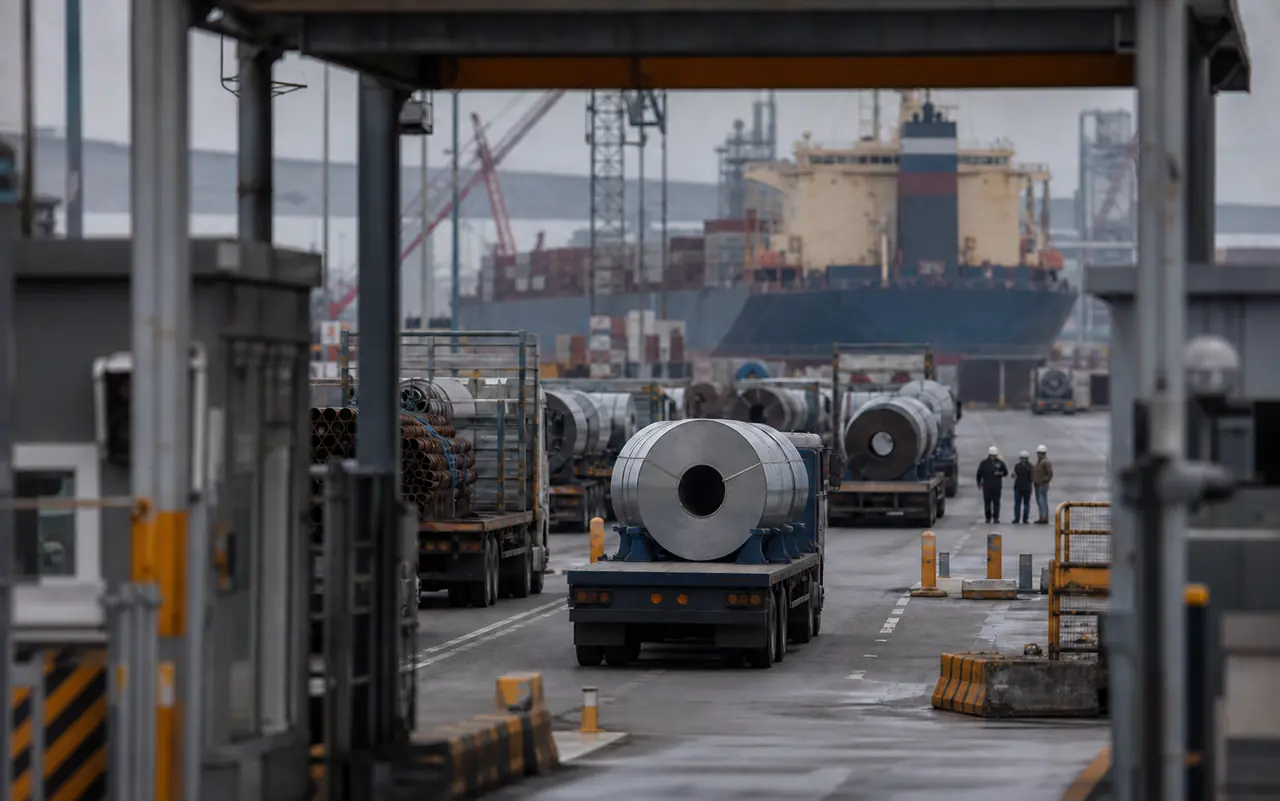
Once the Quota Runs Out, It's Fifty Percent: How the EU's New Steel Tariff Reshuffles Nine Categories of Taiwanese Exports
The EU's new steel regime does not slap 50% on every tonne of Taiwanese steel from the first shipment. Instead it places 26 product categories inside tariff-rate quotas, and only once the relevant quota is exhausted does a 50% out-of-quota surcharge apply. Taiwan holds country-specific allocations in nine categories, but what actually decides whether a given order keeps its margin is the CN classification, origin, quarter, quota order number, and the date the EU accepts the import declaration.
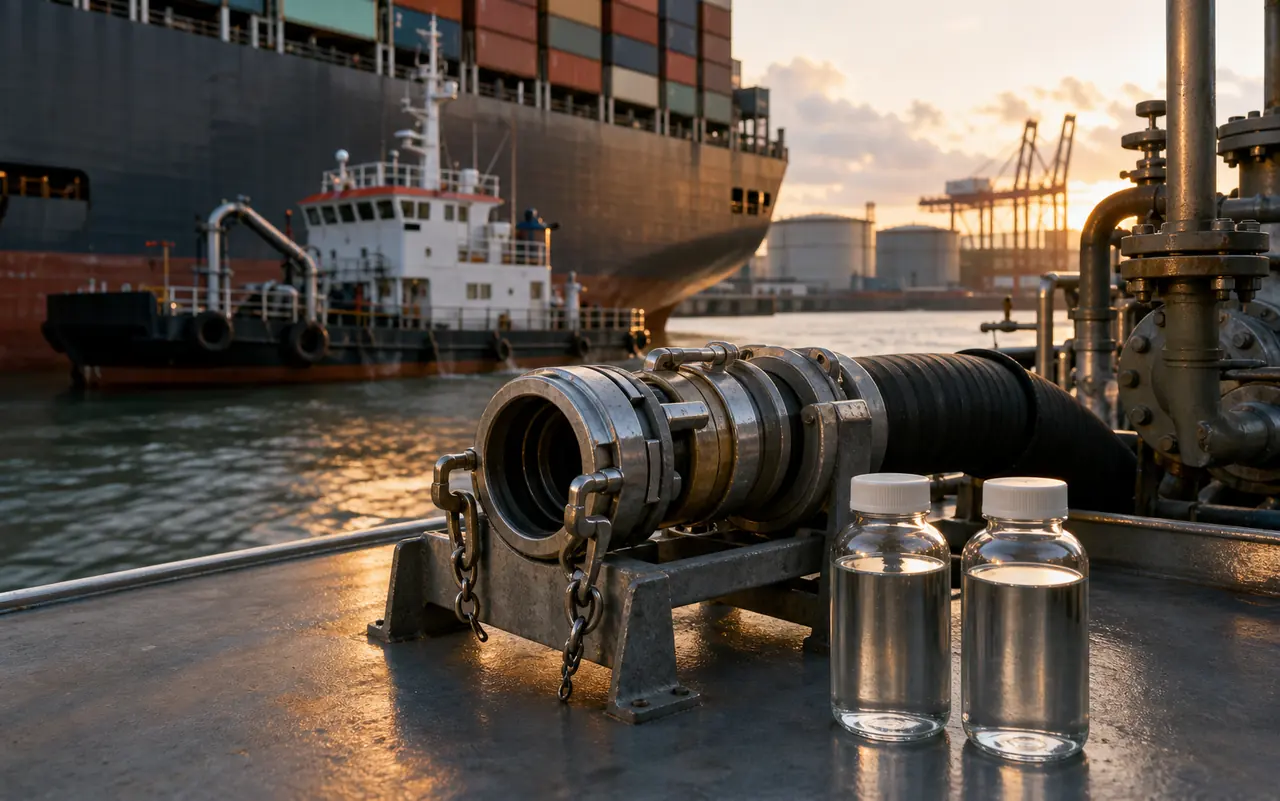
The December 4 Vote: If the IMO's Net-Zero Framework Passes, Which Bill Does Taiwan's Shipping Industry and Kaohsiung Port Pay First?
The IMO did not adopt the Net-Zero Framework in 2025, and December 4, 2026 is only the scheduled date for resuming the extraordinary session — contingent on confirmation by MEPC 85. Taiwan has no vote at the IMO, yet it will still feel the outcome through flag-state and port-state enforcement, fuel procurement, freight rates, and shipper contracts. What Taiwan should pay first is not an as-yet-undetermined carbon price, but three preparation costs: data, a fuel evidence chain, and contract transparency.
Japan Takes Economic Security Overseas: Can OESA Bring Taiwan's Supply Chains Into State-Level Financing?
Japan has created OESA, extending policy finance to overseas projects that matter for economic security but are hard for existing tools to carry. Taiwan has an opening, but the law taking effect is not the same as Taiwan already being on the list — the real threshold lies in Japan's own interests, project design, and implementing rules that have yet to be published.

Viral Data Goes In — Do Vaccines Come Out? Taiwan's Gap in the PABS Negotiations
The WHO Pandemic Agreement was adopted by the World Health Assembly in 2025, but its core annex on pathogen access and benefit-sharing is still under negotiation; the seventh round did not conclude, and the eighth round is set for September. Taiwan's real risk is not whether it can upload a sequence — it is that there is no single, publicly verifiable, end-to-end pathway linking data contribution, notification of use, manufacturer contracts, and actual access to vaccines and diagnostics.

100 Percent Is Not All Drugs: Taiwan's Real Exposure and Window Under the U.S. Pharmaceutical Section 232 Tariff
The U.S. pharmaceutical Section 232 measure establishes a current, conditional structure of 100%, 20%, 15%, and 0% treatments for certain imported branded pharmaceuticals and related ingredients; the Section 232 additional duty rate on UK-origin covered goods changed from +10% to +0%, effective 12:01 a.m. Eastern Time on July 31, 2026. Taiwan's exports to the U.S. are dominated by generics, keeping overall short-term exposure below the headline number — but the reprieve, the one-year reassessment, company-level agreements, and import classification mean the real risk sits with individual products and customers.
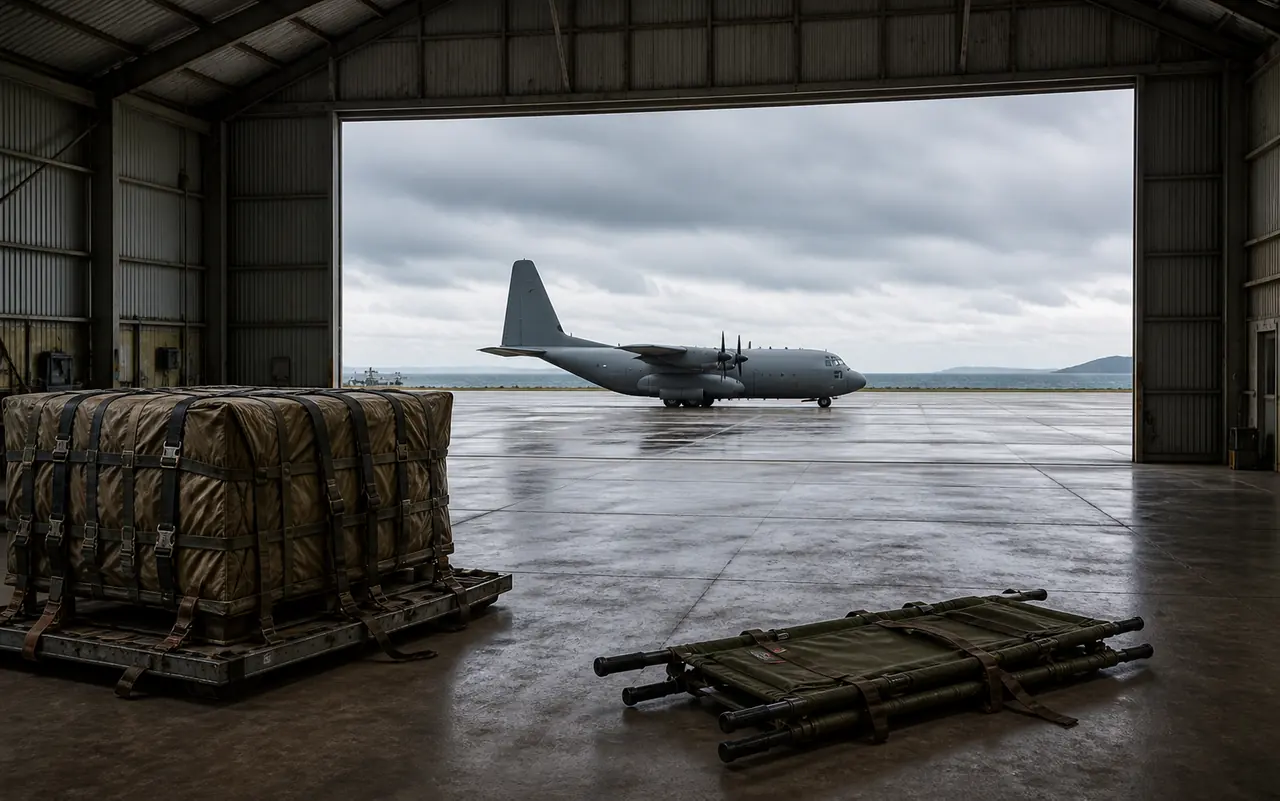
The Philippines' Double Signal: If the Taiwan Strait Erupts, Is EDCA Strategic Depth or a Political No-Go Zone?
Marcos says, on one hand, that the Philippines will not become a springboard for a US attack on China — and, on the other, admits it cannot stay out of a Taiwan Strait crisis. EDCA's real significance is that capability has already been built, while specific activities remain subject to Philippine approval and bilateral mechanisms.
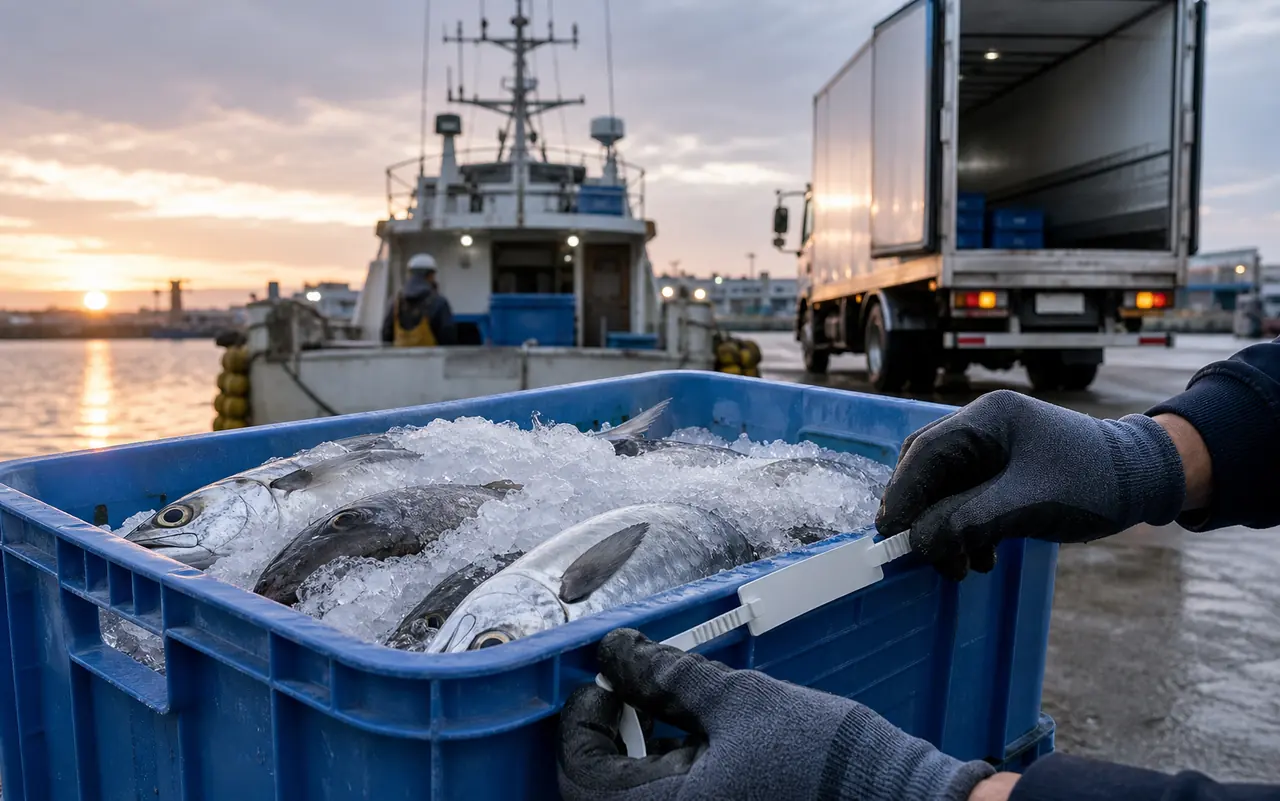
Not a September Vote: How the WTO's "Fish Week" Puts Taiwan's Distant-Water Fishing Fleet on the Transparency Exam Table
The WTO's first Fish Week is scheduled for September 21–25, but the chair has already made clear this is not a decision-making moment. What has actually already taken effect is the first-tranche prohibitions and transparency obligations; what has not yet been agreed is the rules on overcapacity and overfishing subsidies. What Taiwan needs to prepare is not a hastily assembled list of subsidies to cut, but an evidence chain that can trace every piece of support back to vessels, catch, and stock status.
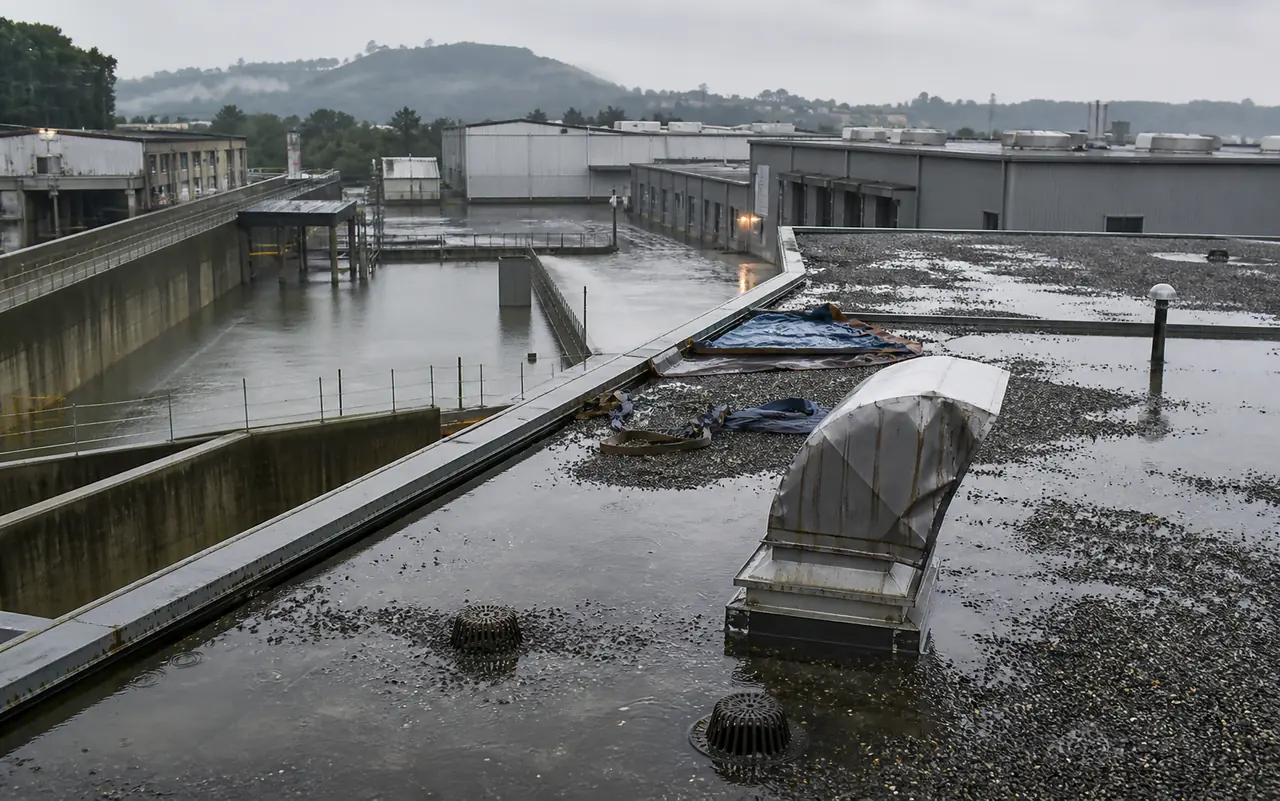
The Catastrophe Reinsurance Black Hole: What No One in Taiwan Will Insure, Between the Earthquake Belt and Geopolitical Risk
Taiwan sits on both the Pacific Ring of Fire and the geopolitical fault line of the Taiwan Strait. As global reinsurers reprice both "earthquake" and "war," a black hole that no one wants to underwrite is widening beneath corporate balance sheets — this is not just a premium problem, but a systemic resilience gap for Taiwan.
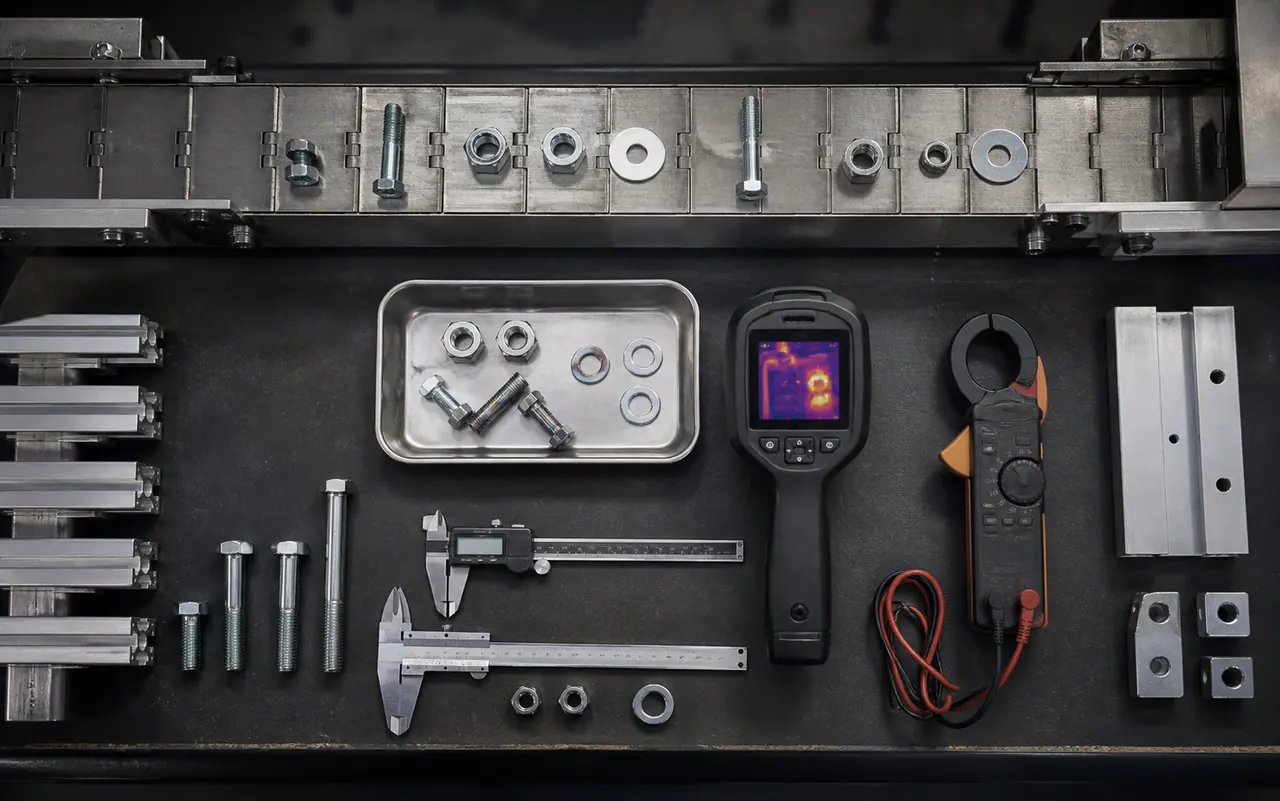
CBAM Has Arrived: How the EU's Carbon Border Tax Becomes a Hidden New Tariff on Taiwan's Steel, Aluminum, Cement and Fastener Exports
The EU's CBAM has entered its definitive period. For Taiwanese exporters, the key is not to reduce it to a flat tariff rate, but to work with EU importers to complete data on embedded emissions, carbon price already paid at origin, and declaration paperwork — only then can the real cost be judged.

The Twelve Remaining Seats: Diplomatic Dominoes and the Vatican's One-of-a-Kind Line of Defense
The Ministry of Foreign Affairs' latest statistics show Taiwan has twelve diplomatic allies, with the Holy See its only partner in Europe. The Holy See maintains a provisional agreement with China on the appointment of bishops, but that agreement has not changed Taiwan-Vatican diplomatic relations; the two relationships must be understood as strictly separate.
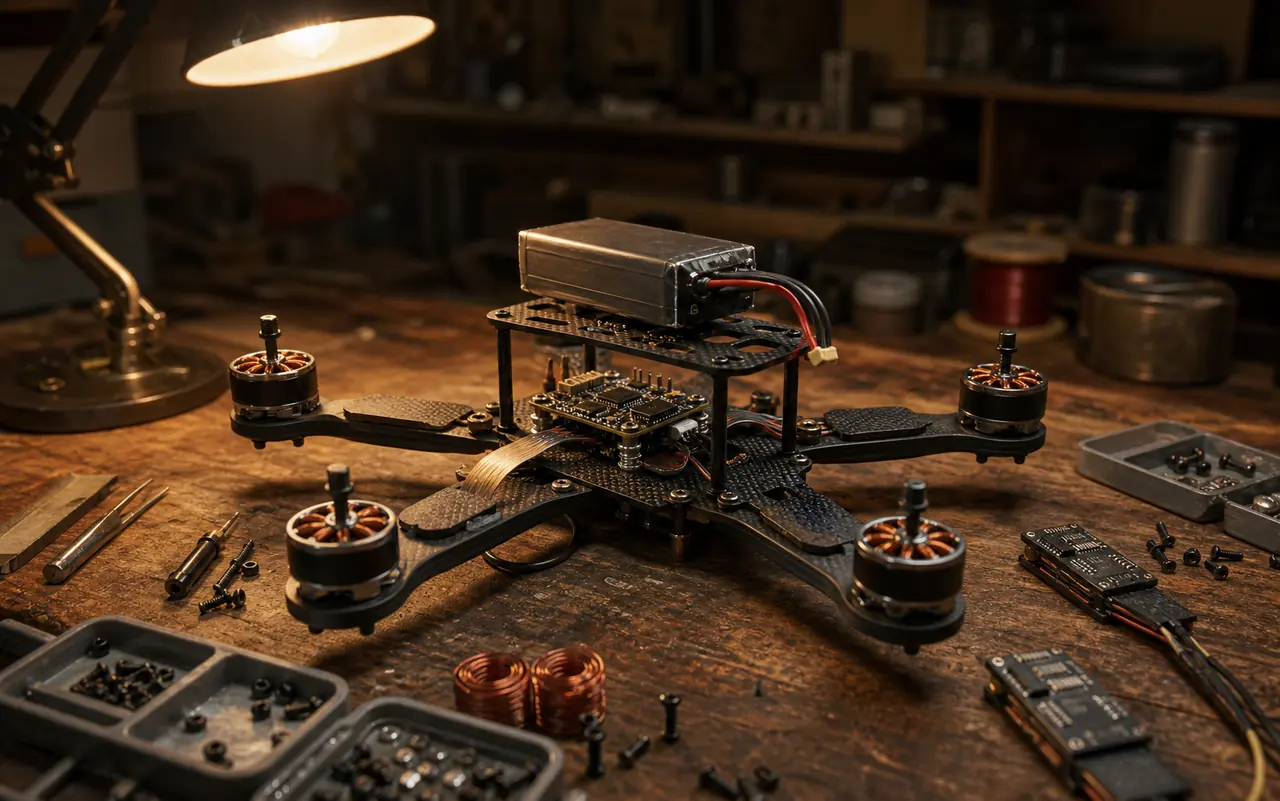
The Non-Red Drone Problem: Taiwan Wants to Build Its Own Drone Fleet, But the Parts Are Still in China's Hands
The government has made drones a priority of both defense and industrial policy, and requires military and public-sector procurement to run on a non-red supply chain. But this is not a transition a label can complete on its own: Taiwan has to turn component traceability, substitution options and mass-production capacity into verifiable capabilities, one by one.
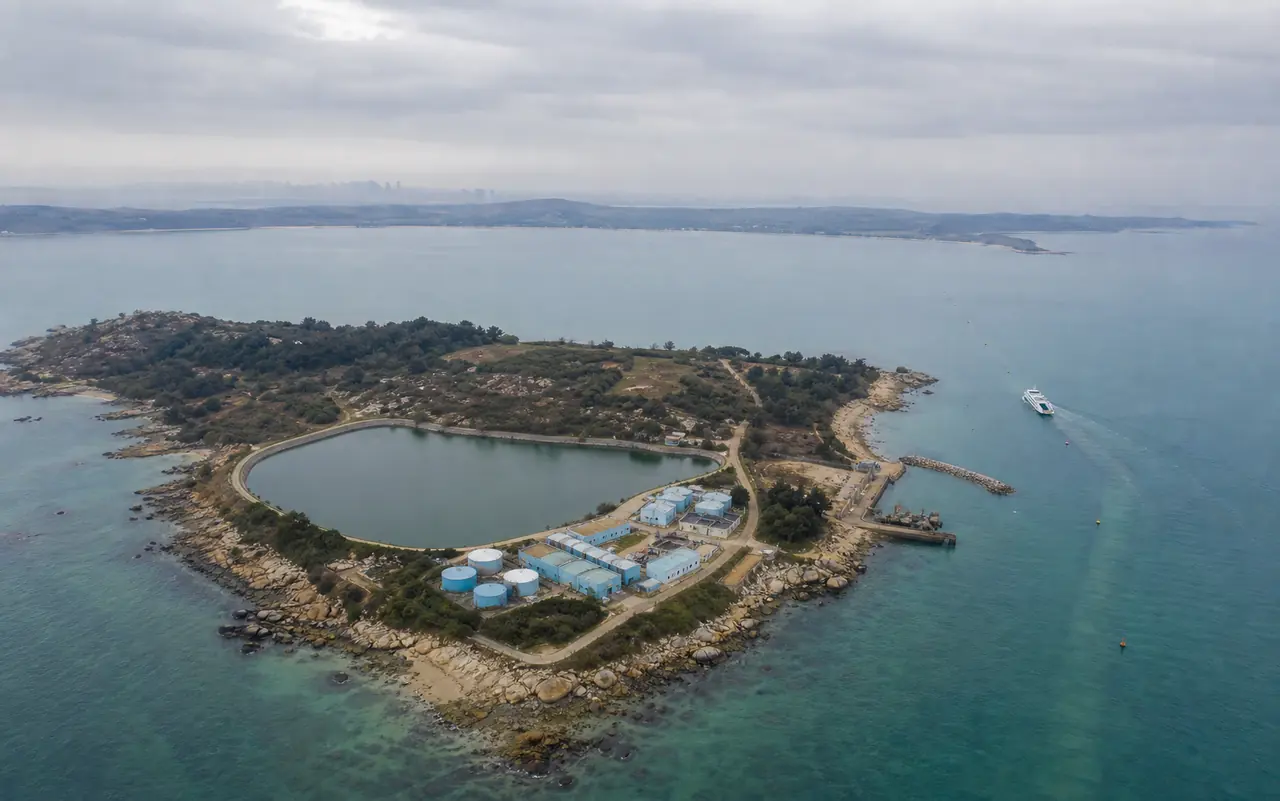
Kinmen and Matsu's Quasi-Integration: How Water Supply, Transport, and Cross-Strait Policy Are Amplifying the Outlying Islands' Resilience Test
Kinmen's water transfer from Fujian, the rebound in Mini Three Links traffic, and Fujian's integration policy are forcing outlying-island governance to face both livelihood convenience and single-source risk at once. The verifiable question is not whether the islands have 'already been taken over,' but how to make backup supply, transport, and commercial options more resilient.
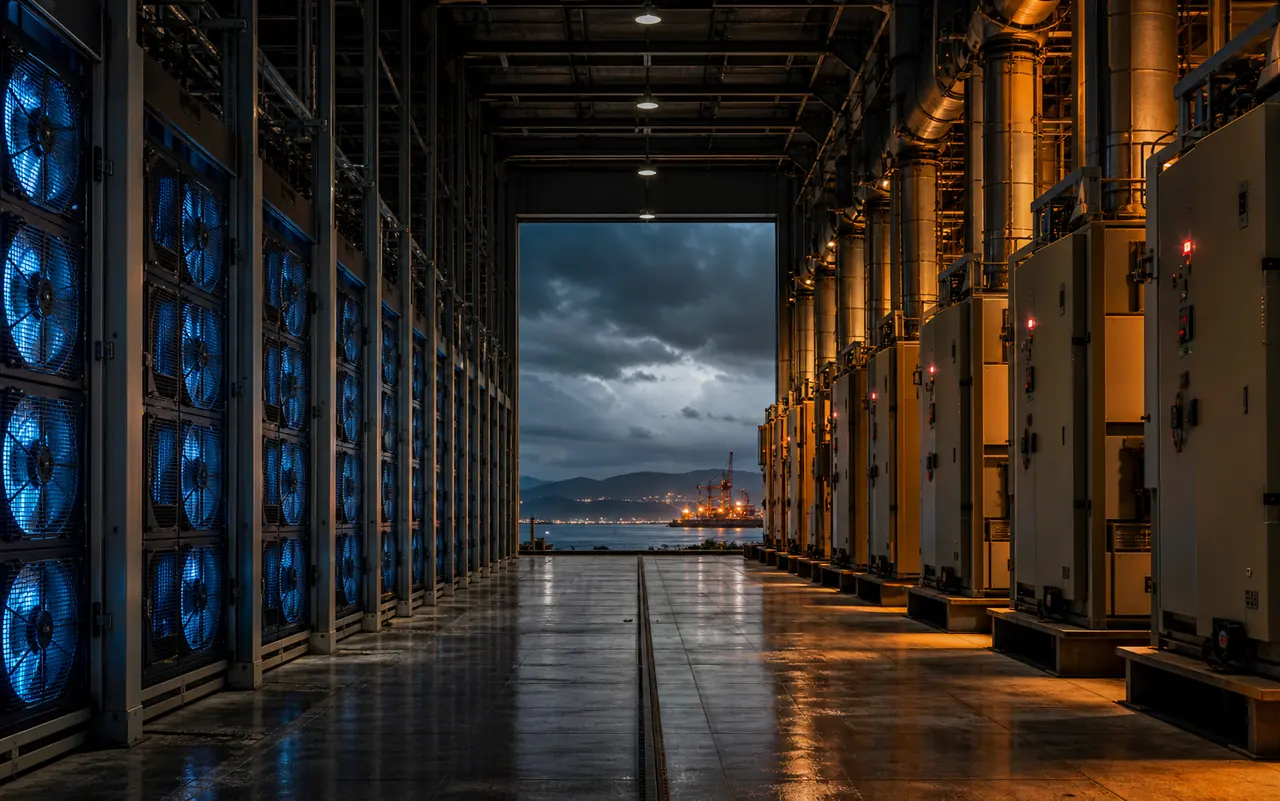
The World Grows 3%, Taiwan Grows 9.64%: In the Tug-of-War Between AI and War, How Long Can This High Growth Last?
The IMF forecasts 3.0% global growth for 2026; Taiwan's DGBAS forecasts 9.64%. The gap is not Taiwan decoupling from the world — it is Taiwan standing exactly where AI investment's updraft is strongest. The same position that pushes growth up can also amplify the shock when capital spending, energy prices, or valuations turn.
Global Public Debt Heads Toward 100% of GDP: Treasuries Are Still a Safe Haven, but Taiwan Can No Longer Hold Blindly
The IMF projects global public debt will reach 100% of GDP by 2029, while the BIS warns that high public debt and non-bank leverage are amplifying pressure in sovereign-debt markets. Taiwan's own fiscal position is comparatively sound, but its banks, life insurers, businesses and households are connected to global interest rates through overseas bonds, exchange rates and financing costs. The real risk is not that Treasuries have suddenly become unsafe, but the mistake of treating credit safety as though price, liquidity and currency risk no longer need managing.
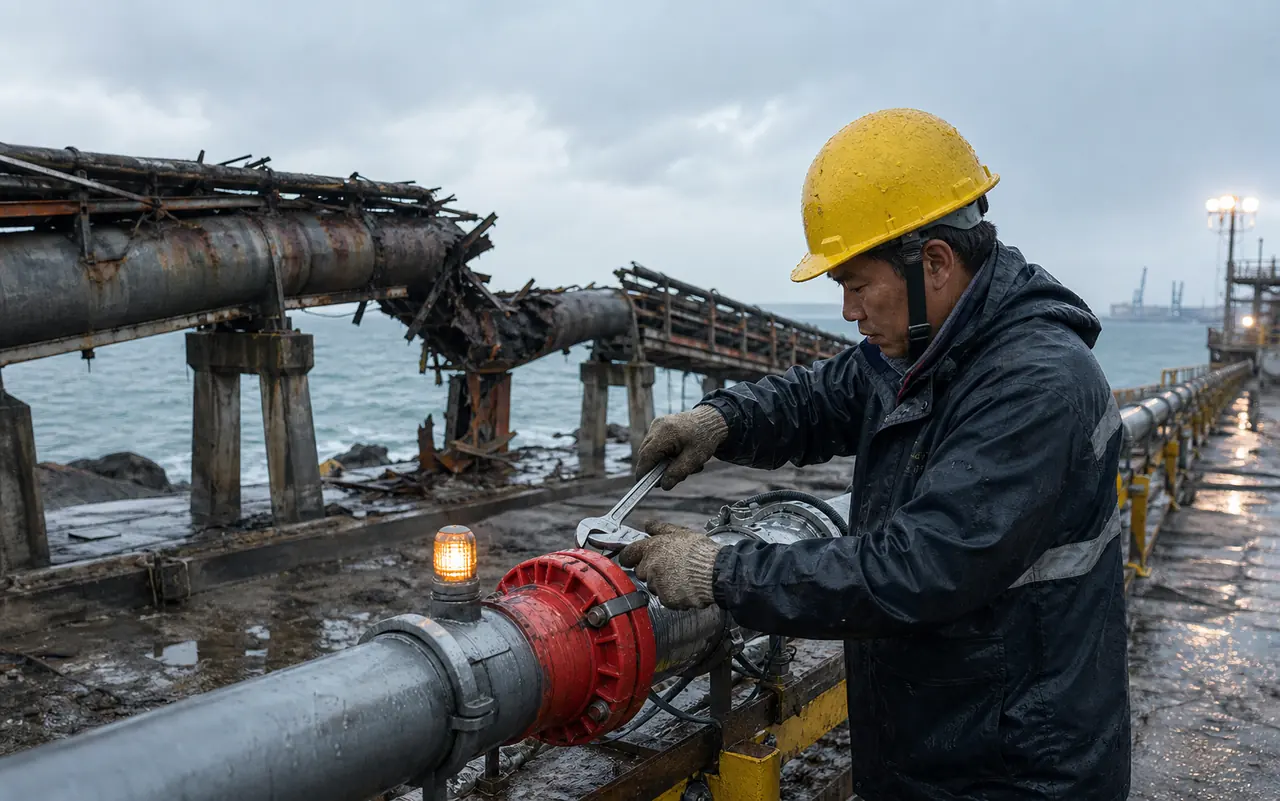
Safety Isn't Moving Everything Back to Taiwan: Real Resilience Is How Fast You Recover After Something Breaks
Stockpiling, localization and backup systems all serve a purpose, but none of them is a synonym for resilience. What Taiwan actually needs to ask isn't how much it holds in reserve, but how much essential function it can sustain during a disruption, who can switch to an alternative, and how quickly service comes back.
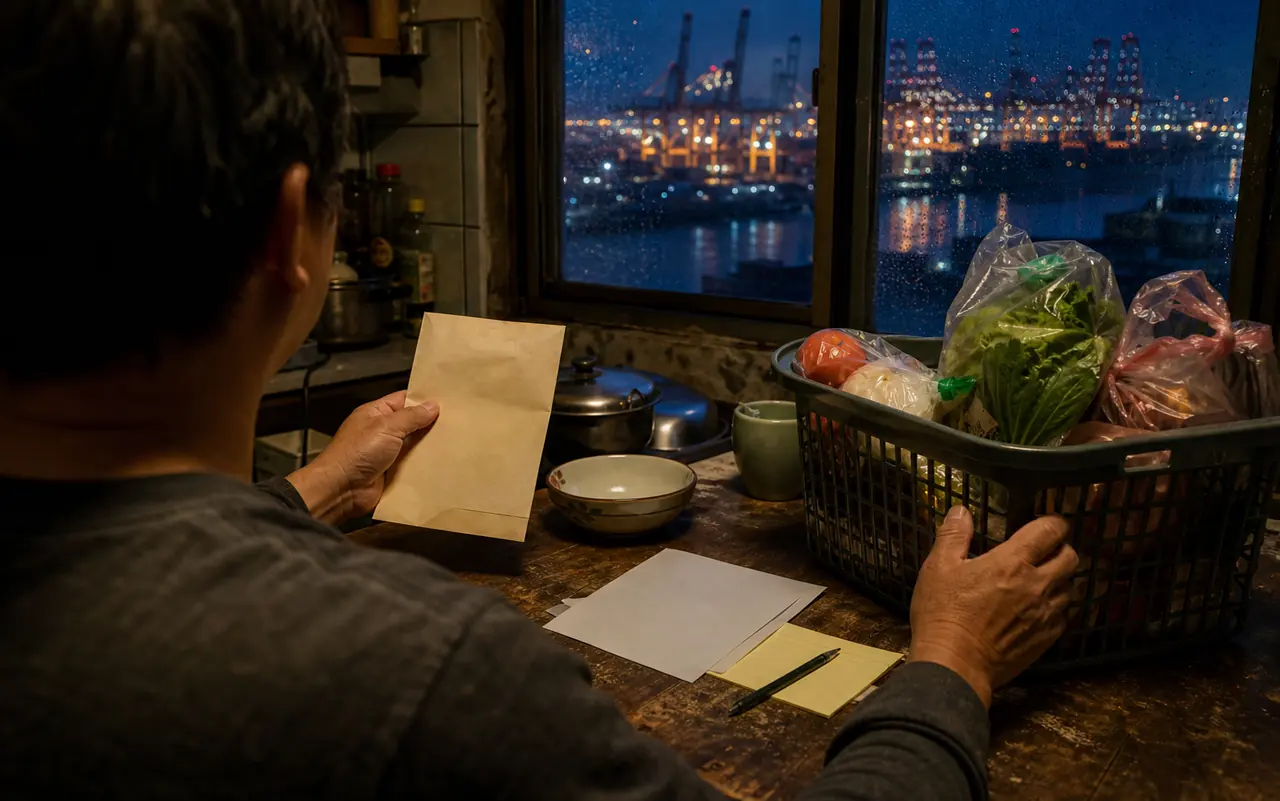
9.64% Isn't Everyone's Report Card: Alongside GDP, Taiwan Is Still Missing a Distribution Table
9.64% is genuinely good news, but it is not everyone's income gain. What Taiwan needs isn't another anti-GDP slogan — it's a second scoreboard that puts output, wages, the cost of living and industrial spillover on the same page.
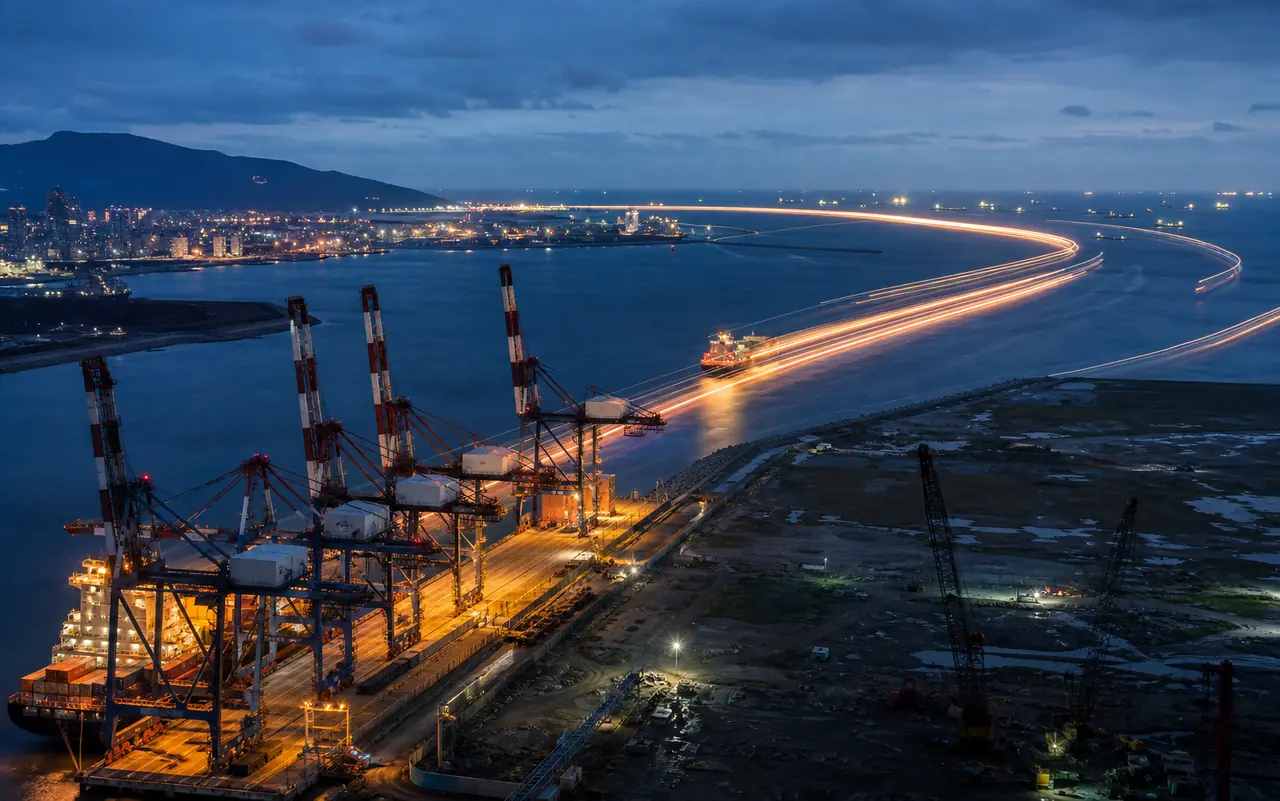
Where Does the US$62.5 Billion Surplus Go? Why the Money Taiwan Earns from the World Keeps Flowing Back Overseas
In the first quarter of 2026, Taiwan ran a current-account surplus of US$62.53 billion and its financial account posted a US$64.86 billion increase in net assets. These are not two mysterious sums that cancel each other out — they are two sides of the same coin: net income brought home through exports and overseas earnings ends up converted into foreign assets through direct investment, securities, deposits and trade credit. The real question worth asking is why Taiwan keeps generating savings on this scale that cannot find a matching amount of domestic investment.
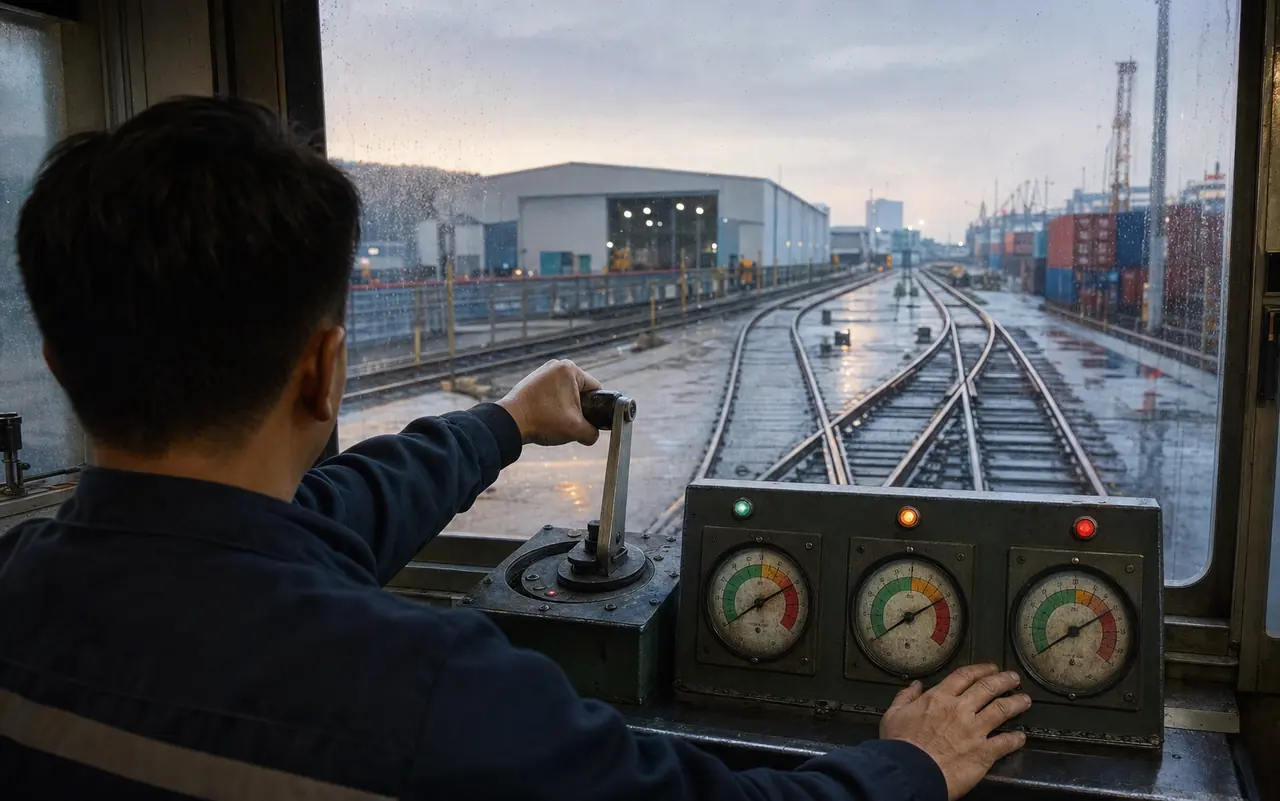
Stop Guessing the Peak: In an Uncertain Era, Companies Need to Write Their Turn Rules First
AI, exchange rates, tariffs and interest rates are all hard to forecast accurately. What companies actually lack isn't the next spot-on prediction date — it's a reversible turn rule: which indicator, at what threshold, triggers who to do what within how long, and under what condition the action gets withdrawn.
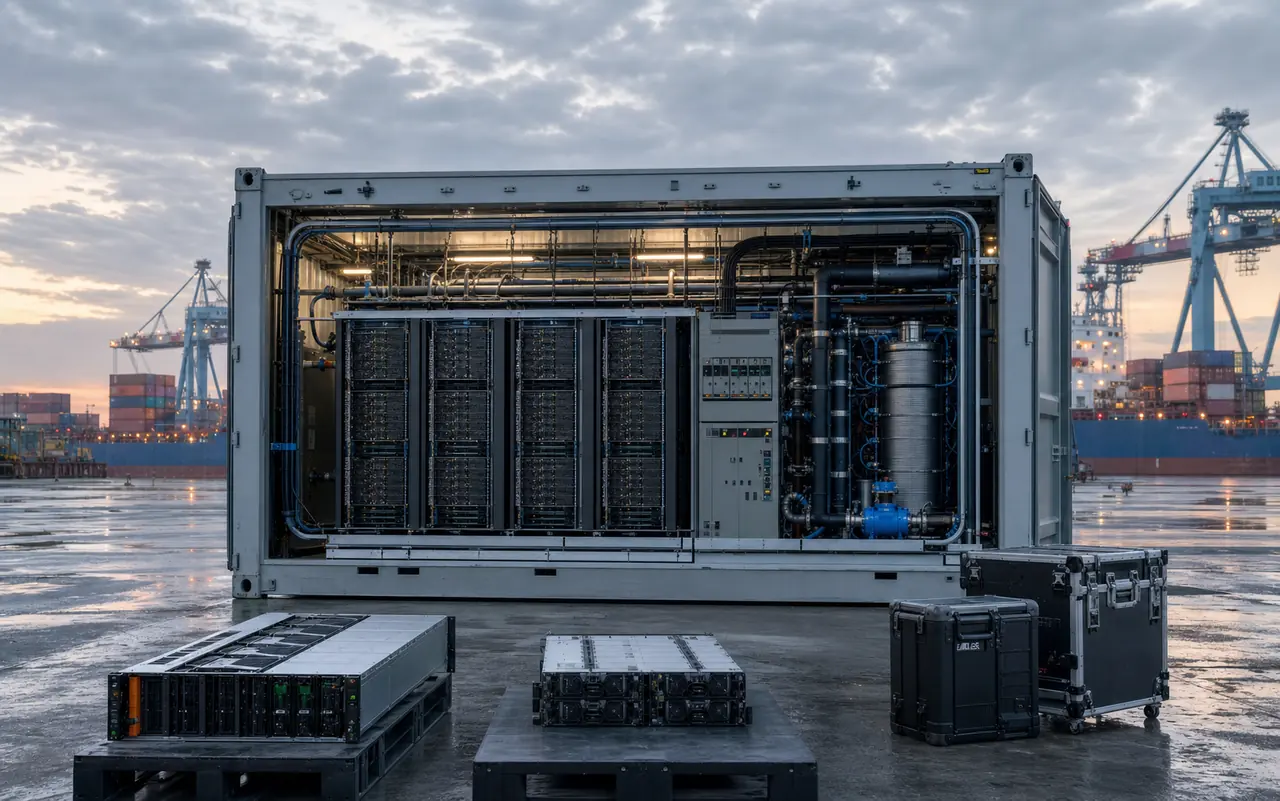
AI Is No Longer Just Chips: Washington Received 78 "Full-Stack Export" Applications — Will Taiwan Be a Core Partner or Just the Contract Manufacturer?
The U.S. Department of Commerce has received 78 full-stack AI export proposals. The unit of competition has shifted from a single chip or a single server to a complete package of hardware, data, models, cybersecurity, financing and industry applications. Taiwan's hardware edge still matters, but without a seat at the customer interface, in-field integration and long-term operations, the busiest player in the room will not necessarily capture the most value.
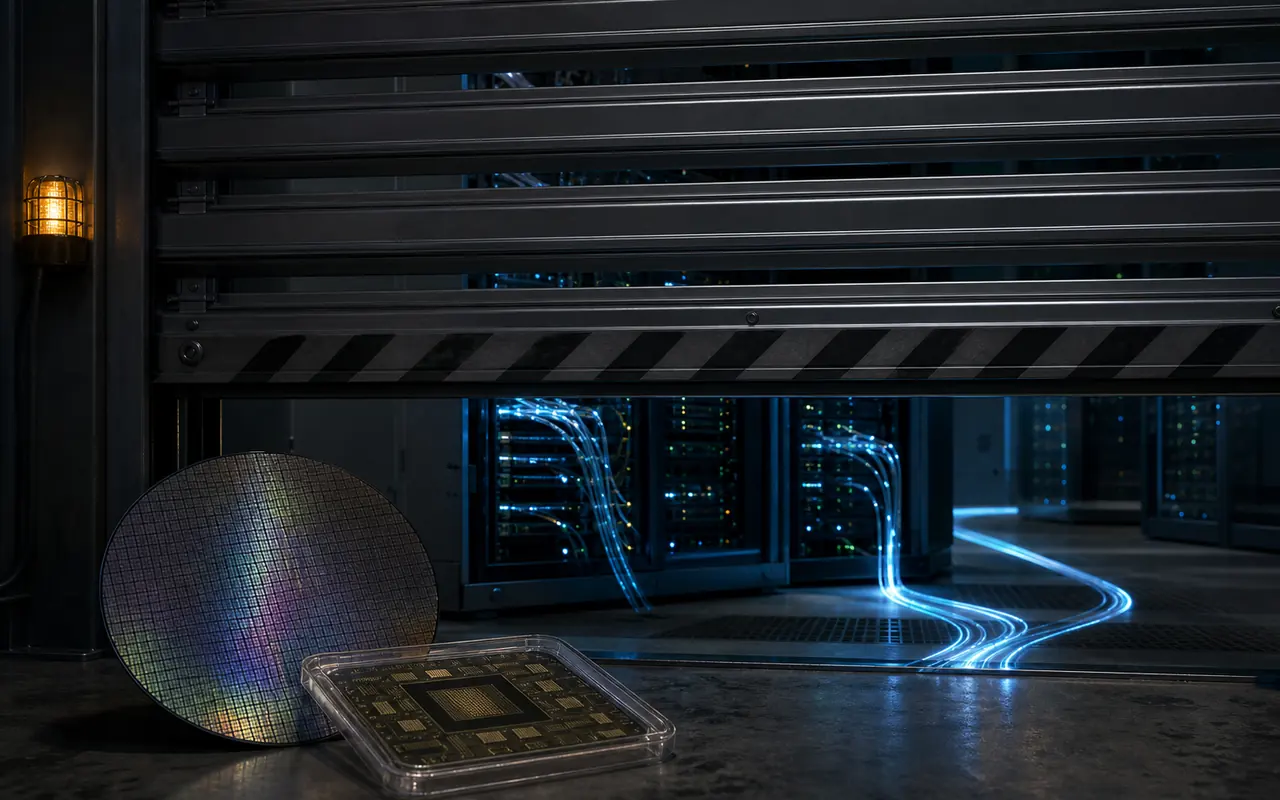
Is Beijing Building Its Own AI Wall? China Is Reportedly Weighing Limits on Models, Data and Chip Technology — Taiwan Should Not Rush to Score It as a Win
China's regulators are reported to be discussing restrictions on overseas access to its most advanced AI models. The policy options under discussion may also touch training data and chip design. As of 23 July, there is no formal rule, threshold or effective date. What actually needs preparing for is not a guess about when Beijing will shut the door, but pulling apart model weights, APIs, data and foundry manufacturing so there is room to substitute under different policy scenarios.
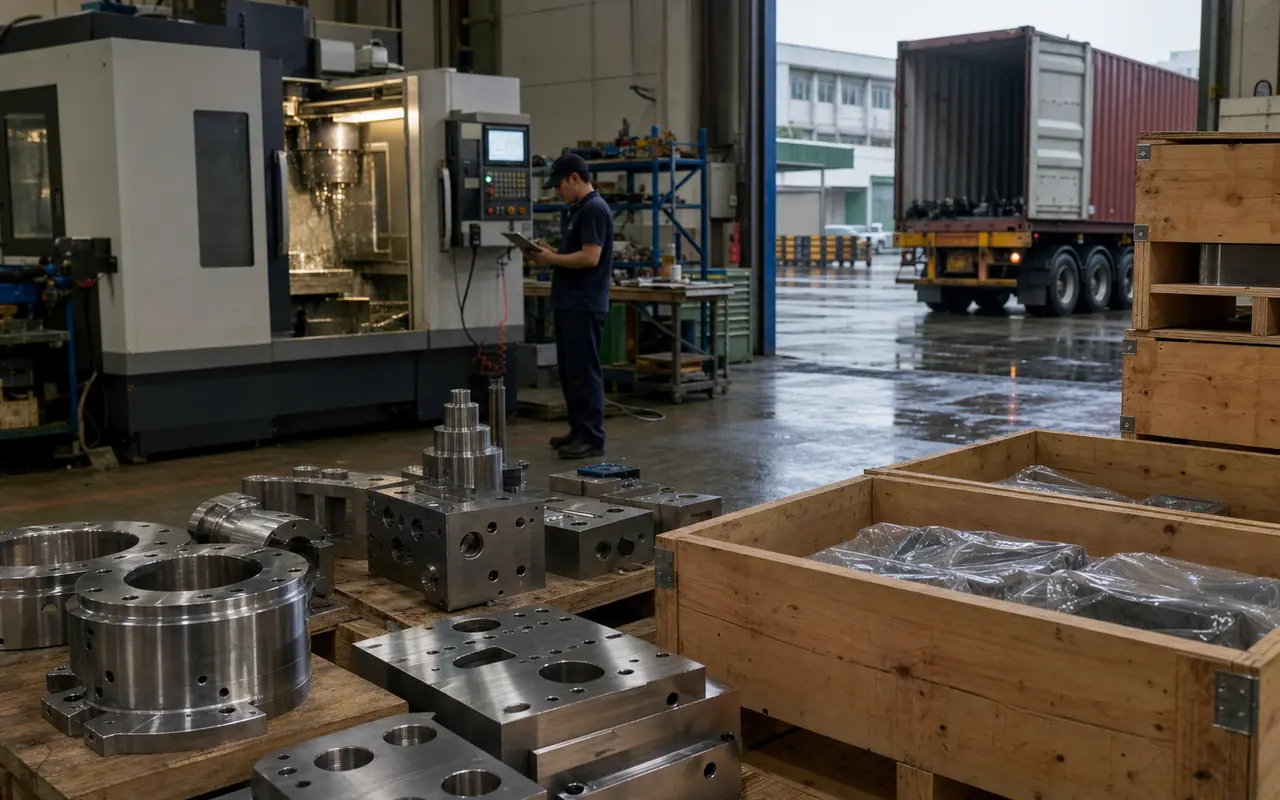
Taiwan’s NT$46 Billion Support Program: Why Businesses Still Need Financing When Exports Grow
Growing exports do not remove every company’s financing, technology or market constraints. Taiwan’s support figures through August 13 show continued use of the tools; whether they work depends on subsequent orders, margins and market diversification.

The AI Boom Reaches Mature Nodes: TSMC Revenue Hits a Record — Will Chip Price Hikes Reach Your Products?
June revenue of NT$442.68 billion and roughly NT$1.27 trillion for the second quarter — TSMC has again hit a record, driven by AI demand. At the same time, word is spreading through the industry that mature-node prices are about to be adjusted too. The real story is not that every chip is getting more expensive at once — it's that AI servers have started consuming huge volumes of power-management, control and optical-communication peripheral chips, handing pricing power back to production lines once written off as old.

How an 'Ethnic Unity Law' Reaches Into Taiwan: Beijing Moves From Economic Pressure to Cross-Border Lawfare
Beijing has not set down its tariffs and market levers to pick up a law book instead; it is stacking ethnic identity, organizational compliance, internet governance, and extraterritorial accountability on top of existing economic pressure and anti-independence rules. The new law has no verifiable enforcement case against a Taiwanese person yet, but it has already shifted the risk boundary Taiwanese people, companies, and groups face when they engage with China.
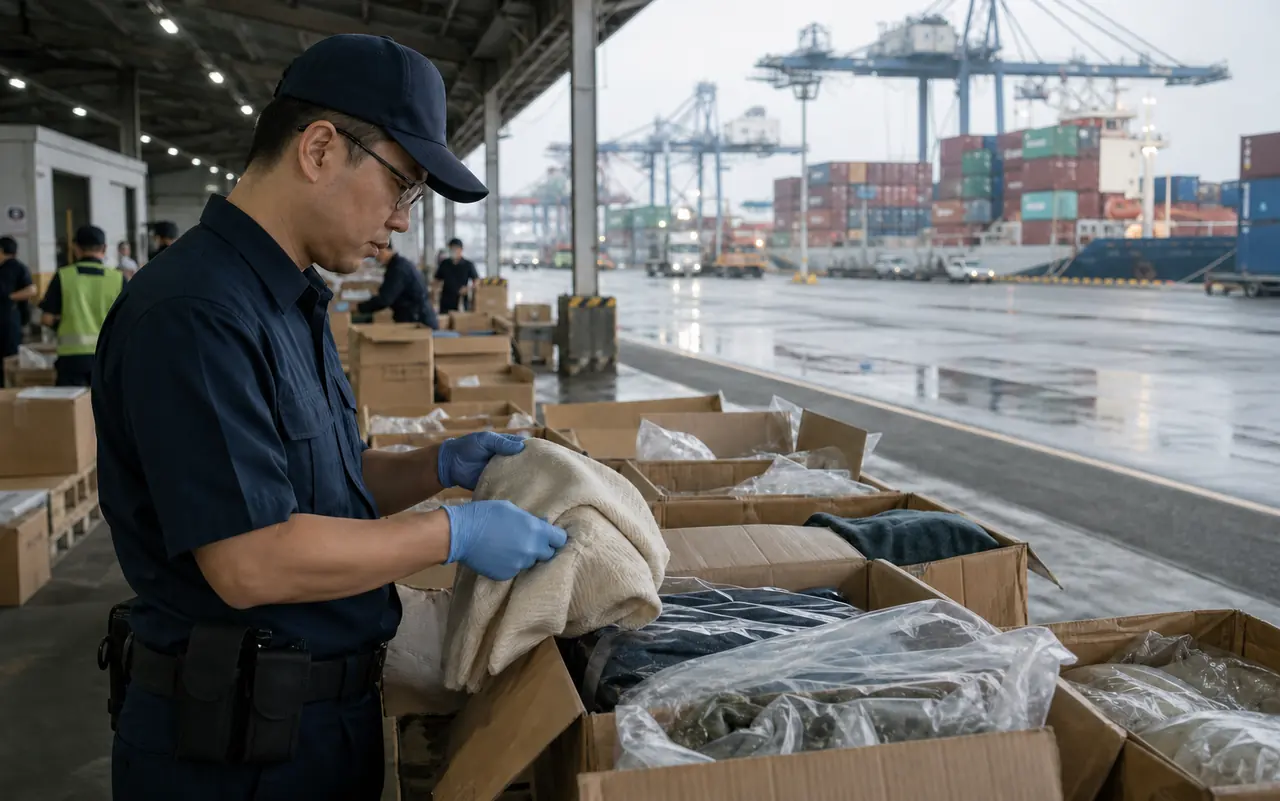
The U.S. Wields Section 301 Again: Why Does Taiwan Still Face a Proposed 10% Additional Tariff Over Its Forced-Labor Import-Ban Gap?
First, correct one key number: what the United States has proposed for Taiwan is 10%, not 12.5%, and as of July 13 it had still not taken effect. The real point of contention is not that Taiwan tolerates forced labor at home, but that its customs authorities lack a system that both bans the import of goods made overseas with forced labor and lets companies contest that determination.
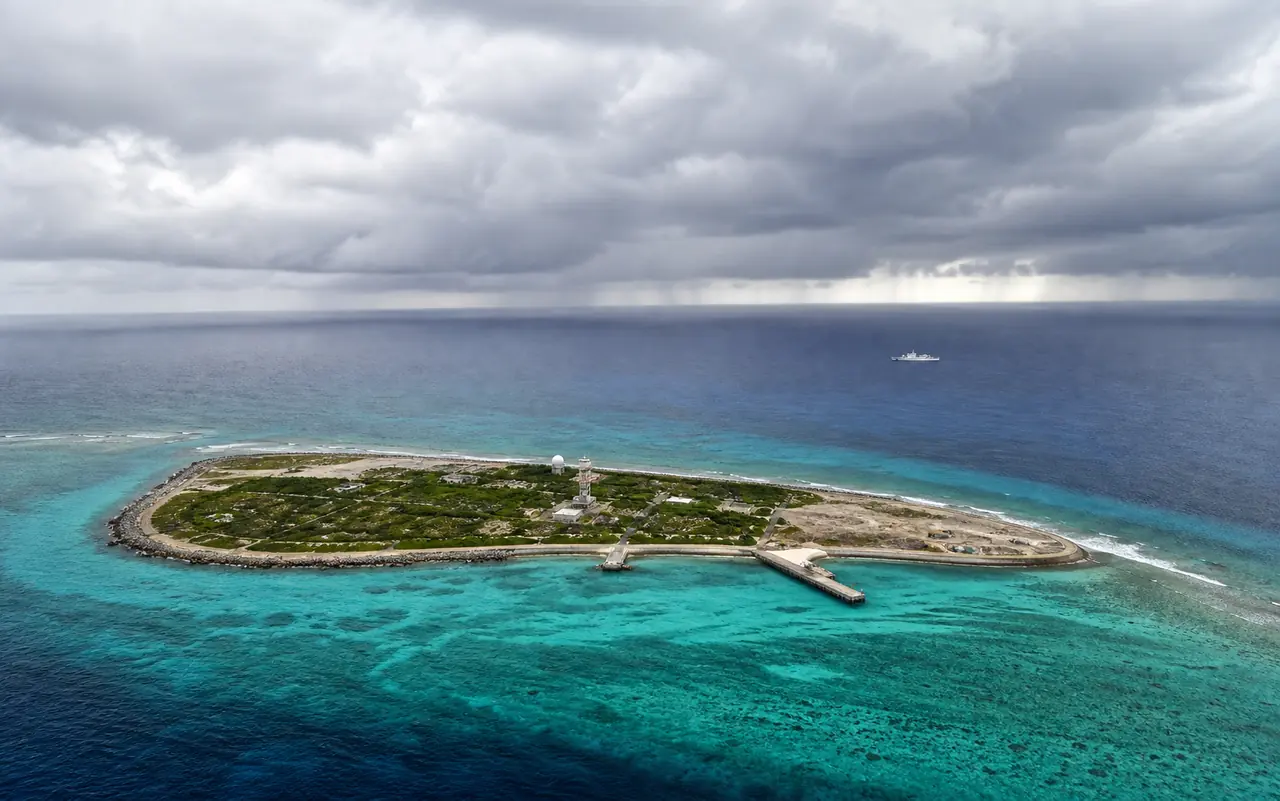
Ten Years On, Did the Law Win? The South China Sea Arbitration and Taiwan's Taiping Island Dilemma
Ten years ago, the Hague arbitration struck a heavy blow against Beijing's nine-dash line — and also ruled that Taiping Island, the feature Taiwan controls, is a "rock" that cannot generate an exclusive economic zone. Taiwan wants to uphold the rules, yet cannot pretend it wasn't hurt; the real solution is neither wholesale acceptance nor wholesale rejection, but separating sovereignty, maritime entitlements, and historic claims into distinct questions.
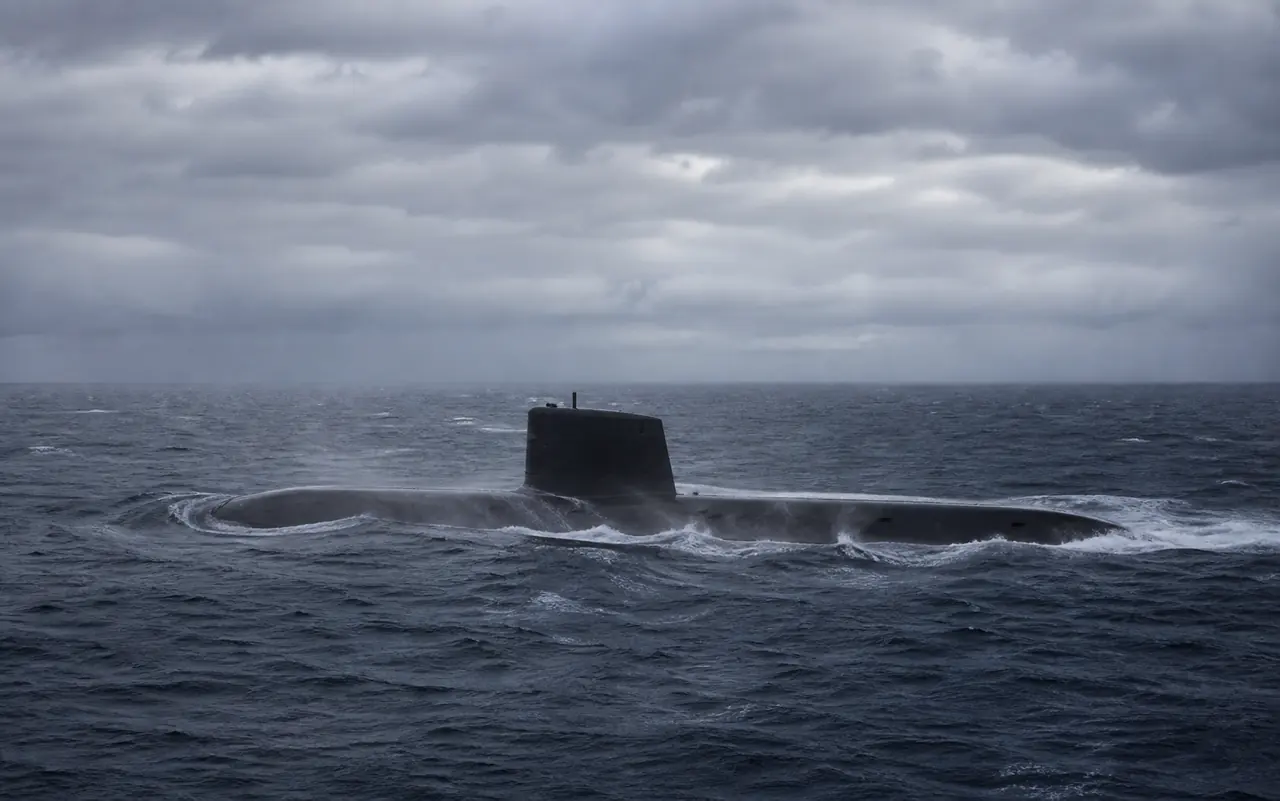
Launched From the Seabed Into the Pacific: How China's Submarine-Launched Strategic Missile Rewrites Taiwan's Deterrence Environment
On July 6, a strategic missile carrying a simulated warhead was launched from a Chinese nuclear submarine into the Pacific. It is not a countdown to an attack on Taiwan, but it shows Beijing moving its sea-based nuclear capability to "strike back even after being struck first" into the spotlight. What Taiwan actually needs to shore up is not nuclear weapons, but early warning, command, communications, and crisis management.
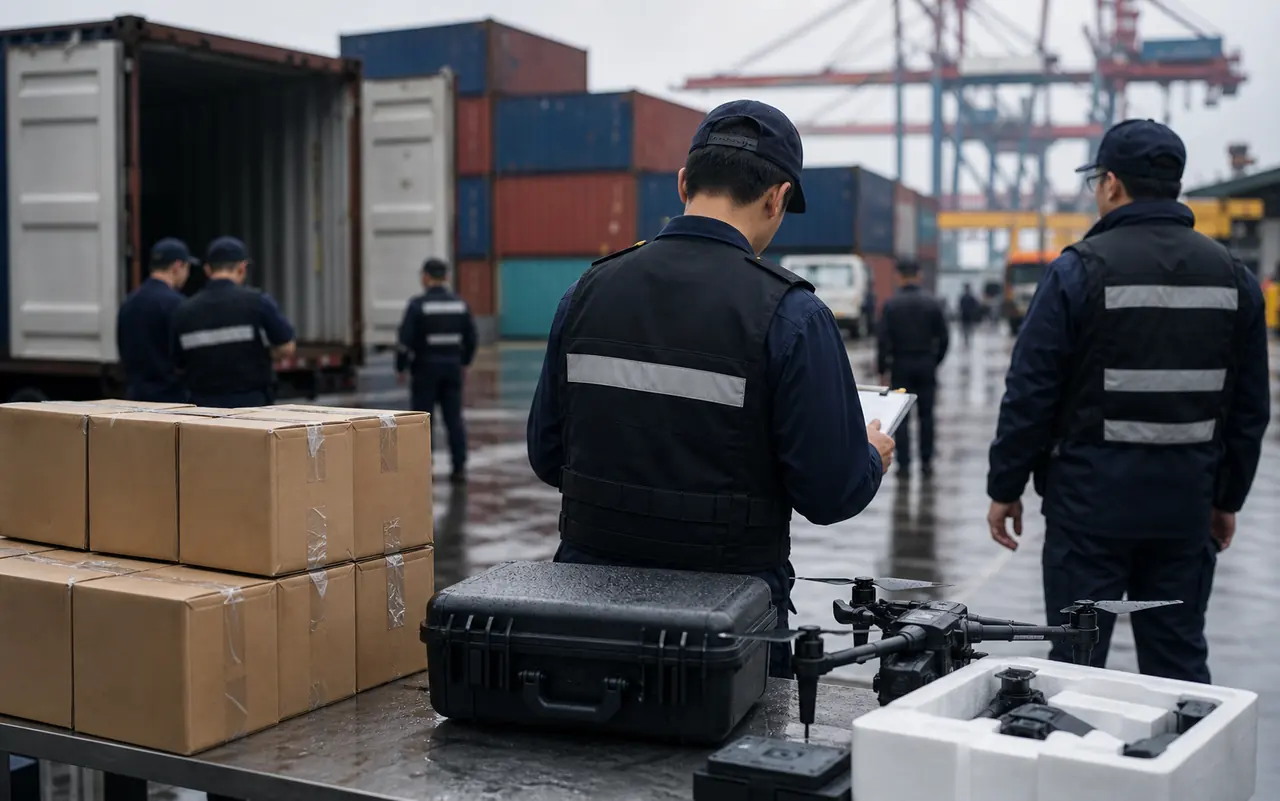
Blue Skies for Taiwan Act: Congress Wrote Taiwan a 'Relief' Bill — Can It Catch the 7/24 Tariff Cliff?
A bill that sounds like 'tariff relief for Taiwan' is actually a drone supply-chain law; the real tariff relief runs through executive action. As the 7/24 Section 122 cliff approaches, it pays to know which piece of paper actually saves you and which one is just symbolic.
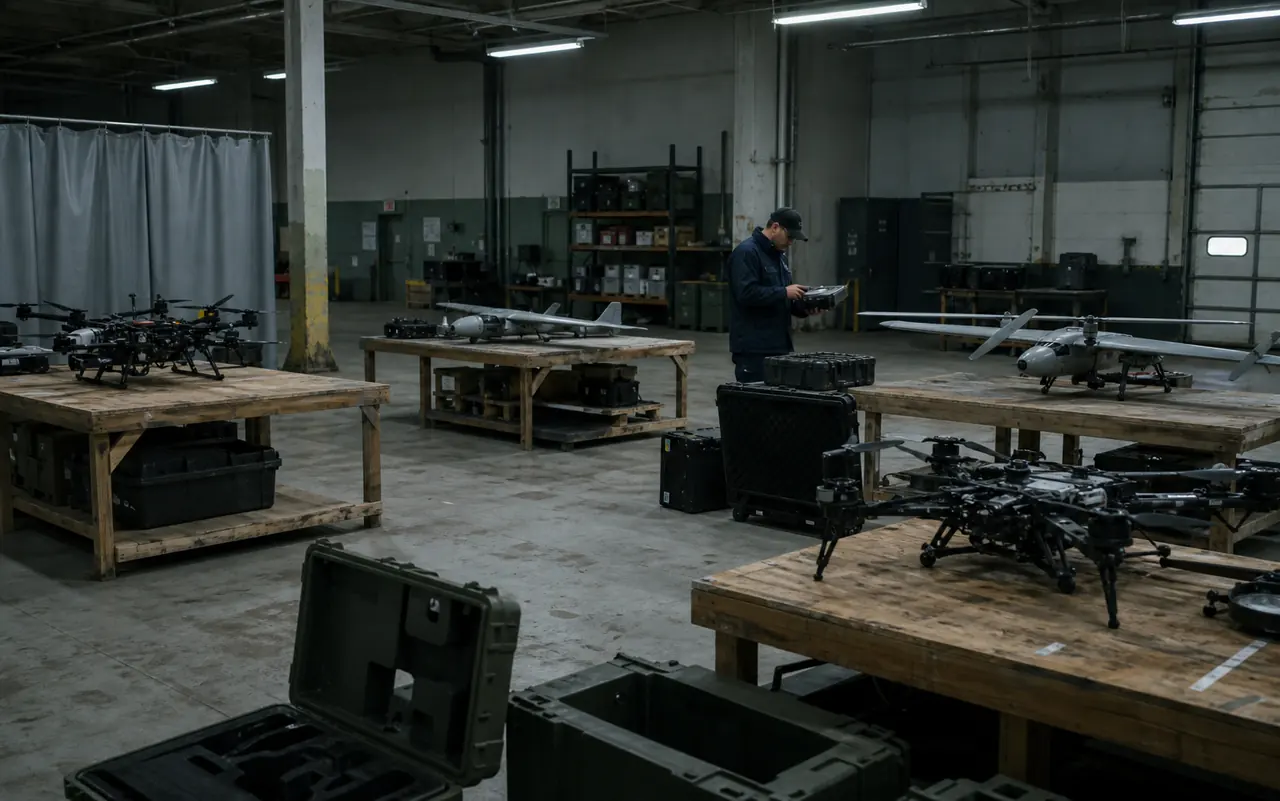
The Drone Army That Got Cut: Taiwan's Special Defense Budget Loses Nearly Two-Fifths — Can the Quills Still Grow?
The Legislative Yuan cut the special defense budget act's spending cap from NT$1.25 trillion to NT$780 billion. The version passed in May left out several originally planned domestic uncrewed platforms, joint Taiwan-US R&D, and part of the integrated air-defense capability. Is this democratic oversight, or a delay in building combat power?
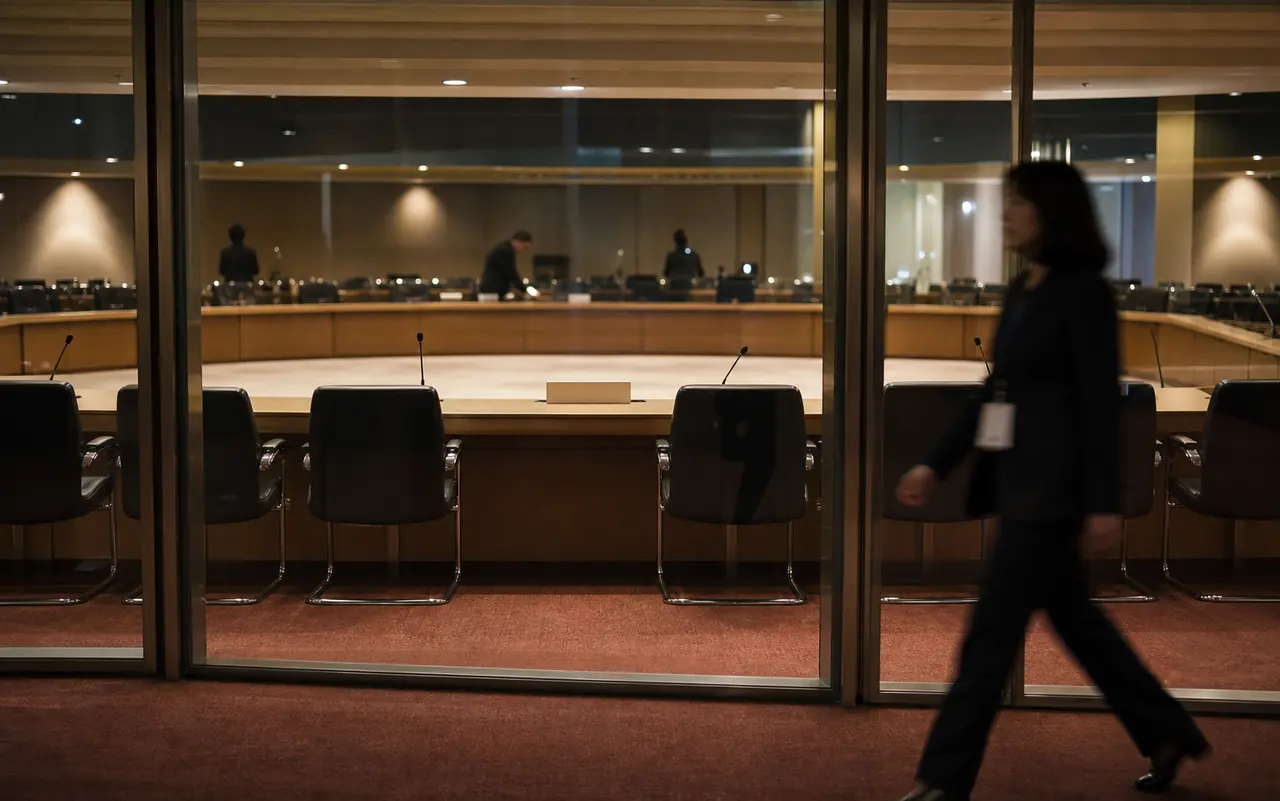
The Vanishing Seats: How Beijing Squeezes Taiwan's International Space One Venue at a Time
From a human rights summit forced to cancel in Zambia, to a passport turned away at the door in Geneva — Beijing's exclusion of Taiwan is not a single incident but a decades-long project that takes away Taiwan's seats one at a time. Taiwan is trying to trade the seats it has lost for more friends elsewhere.
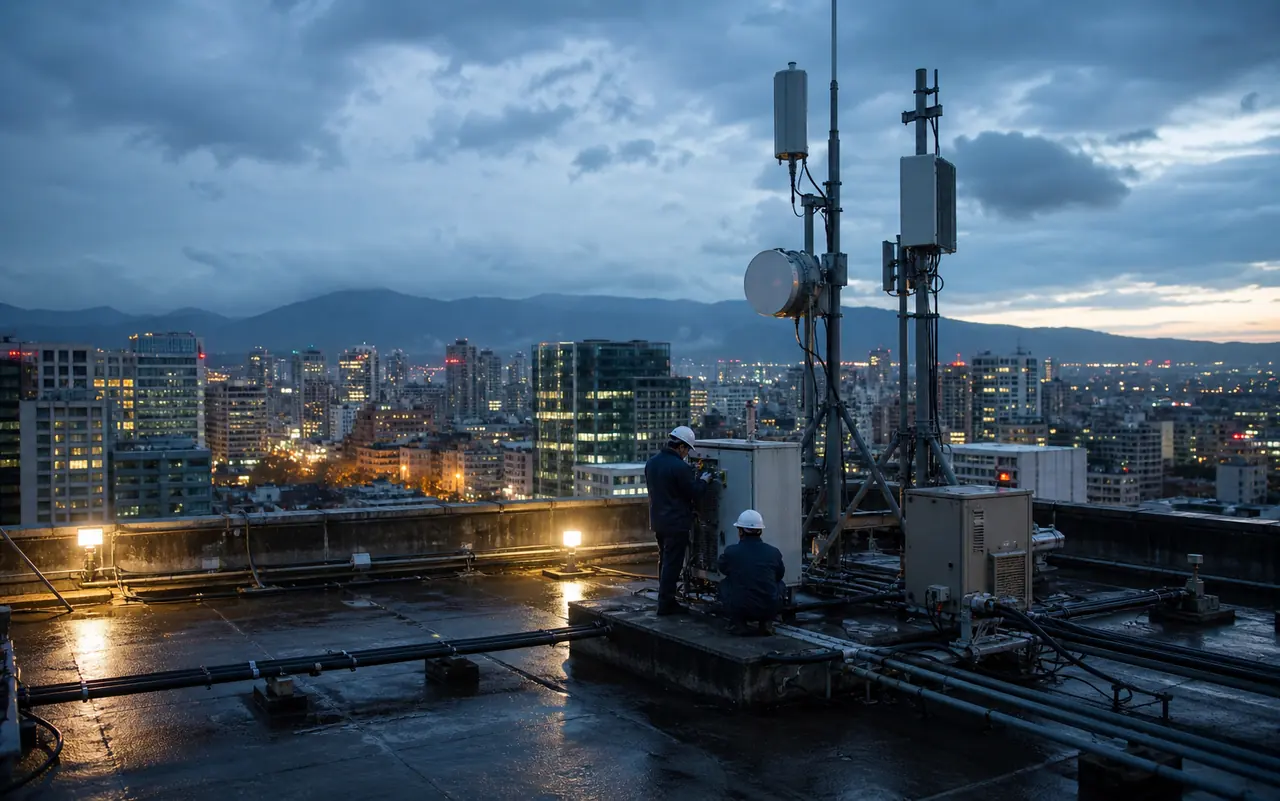
Taiwan's Iron Dome, T-Dome: A 'Taiwan Shield' That Just Got Its Budget Cut — Should It, Can It, and How Much?
The integrated, multi-layered air-defense system 'T-Dome,' unveiled by the Lai government on National Day, had its backbone funding cut from the special budget in less than a year. How does this shield actually compare with Israel's Iron Dome and America's Golden Dome? Facing saturation missile and drone-swarm attacks, should Taiwan bet on one big shield, or keep buying lots of small quills?
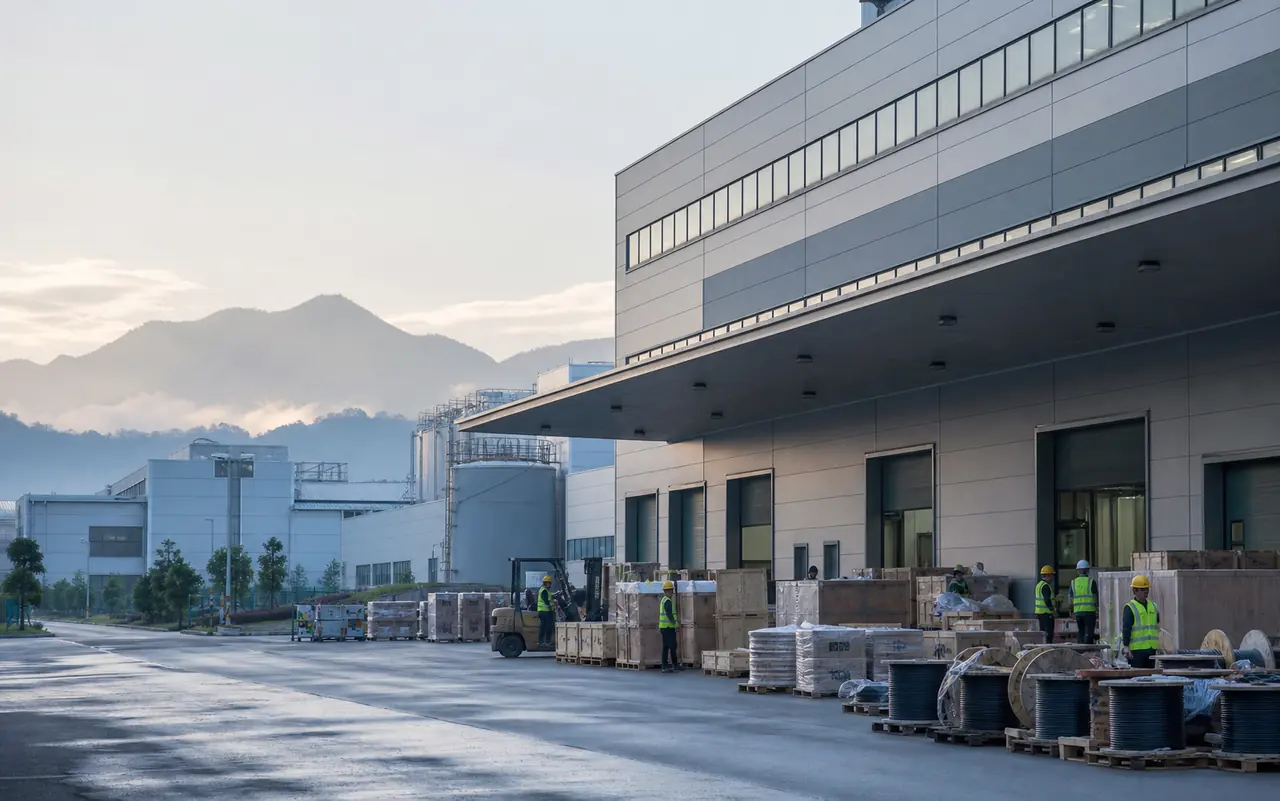
The $250 Billion Bill: What Taiwan Traded for a 15% Tariff
In early 2026 Taiwan and the U.S. signed both an investment MOU and a Reciprocal Trade Agreement that settled tariffs at 15% — but the agreements still have to clear Taiwan's Legislative Yuan, and the 15% rate itself won't take effect until Washington completes its own administrative process. The price was a pledge of at least $250 billion in Taiwanese corporate investment in the U.S., another $250 billion in government credit guarantees, plus a five-year, $84.8 billion purchase list. Is this hollowing out the silicon shield, or, as officials put it, 'extension rather than relocation'? We lay the bill out and add it up.
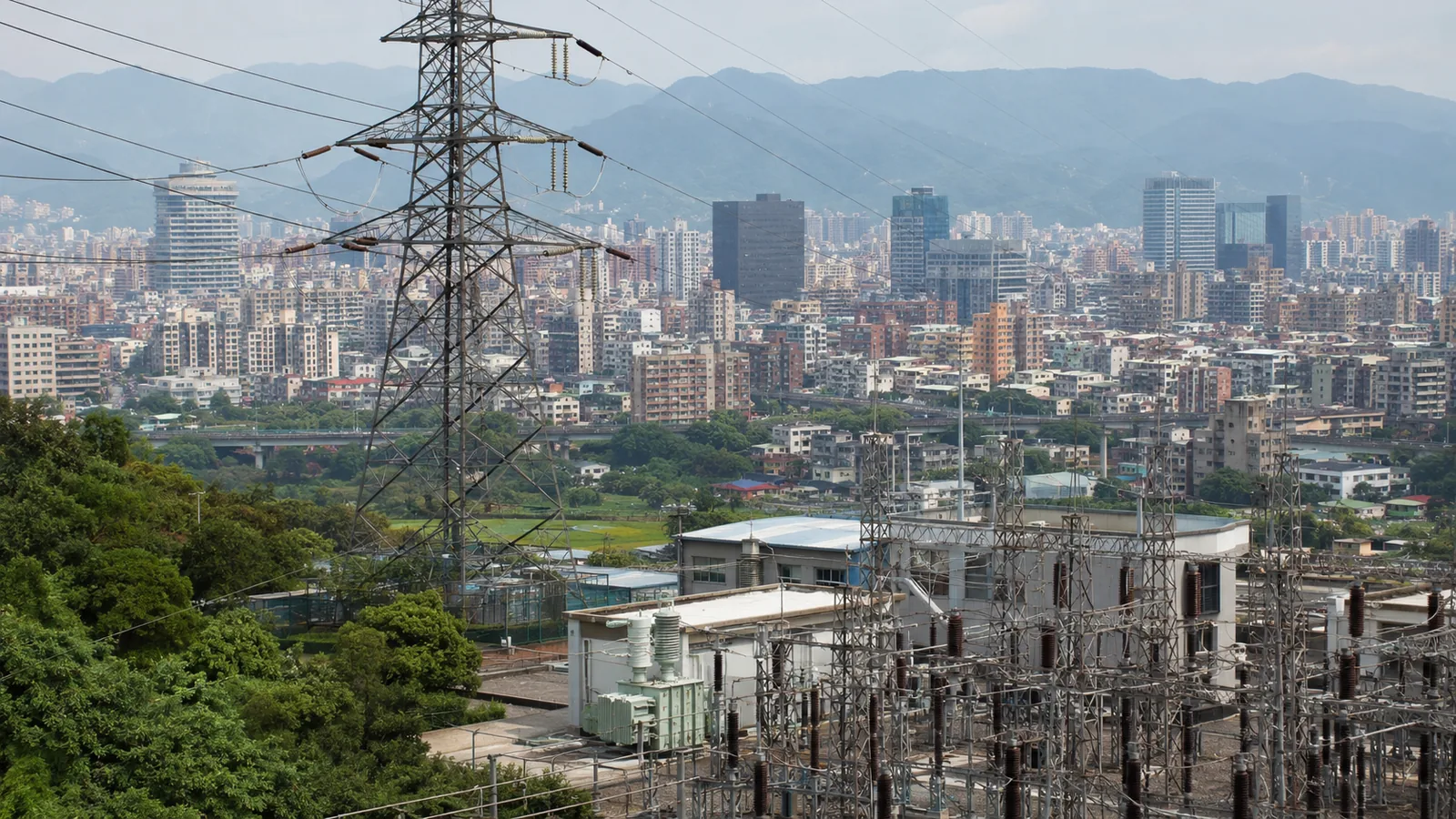
Not Just a Power Shortage: Taiwan's AI Data Centers Still Have to Clear Siting, Grid Interconnection and Equipment
Taiwan's data-center constraint is not a binary choice between 'not enough electricity' and 'not enough parts.' Official data confirm that new applications above 5MW north of Taoyuan were once suspended from acceptance, that new or expanded facilities above 5MW must pass an energy-use review, and that the National Science and Technology Council is planning a 120MW Shalun computing center to come online in 2029; equipment lead times still have to be confirmed project by project with named suppliers.
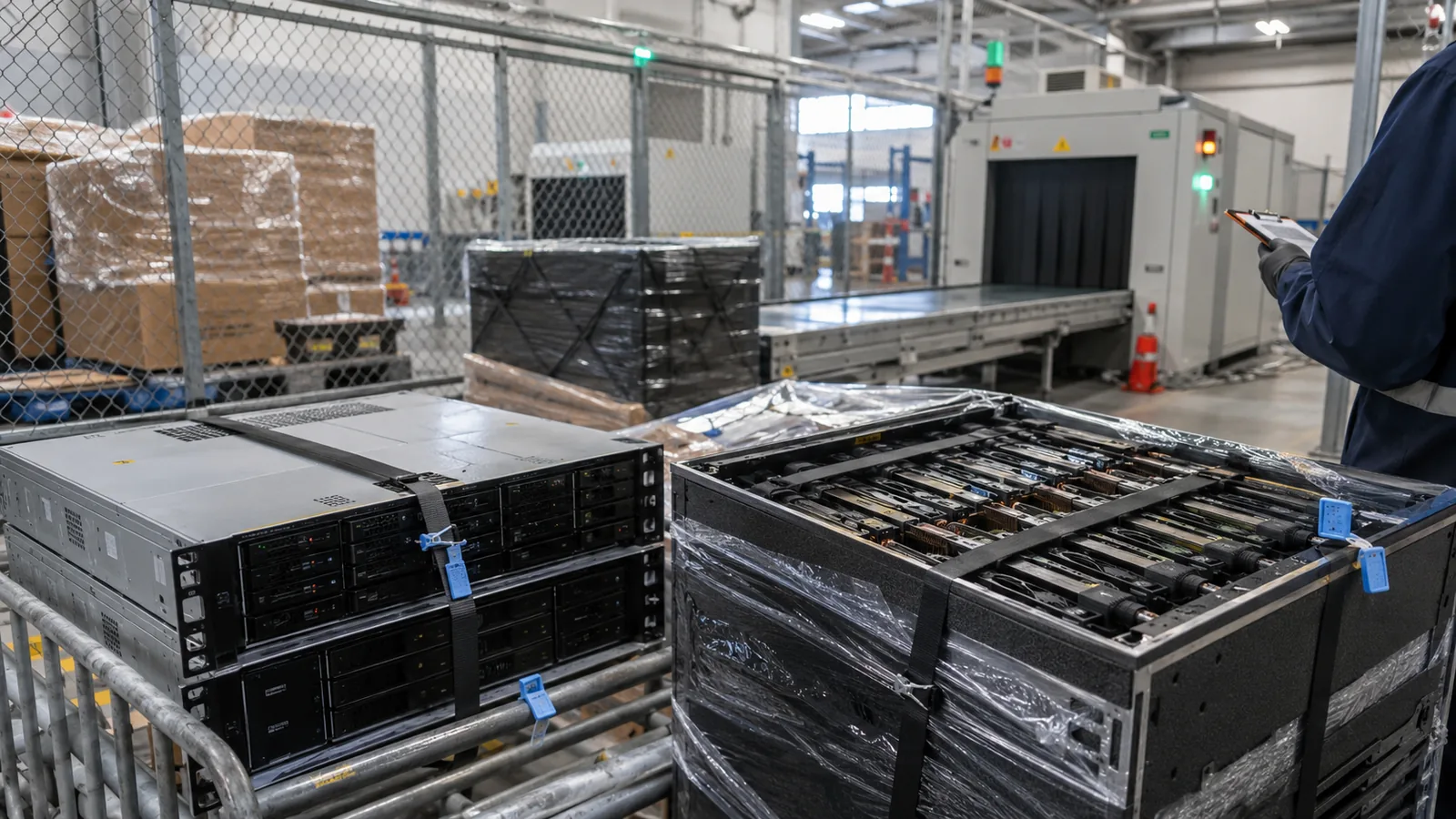
From Regulator to Enforcer: The Cost of Criminalizing Taiwan's AI-Chip-to-China Export Controls
The Super Micro server transshipment case has put an awkward fact in the open: smuggling AI chips into China is not, as things stand, a crime in Taiwan. As Taipei considers amending the Foreign Trade Act to close this criminal-liability gap and align with Washington, Taiwan will also shift from a passive rule-taker to a rule-enforcer holding prosecutorial power — and the bill will land first on the kingdom that ships 44 percent of the world's AI racks.
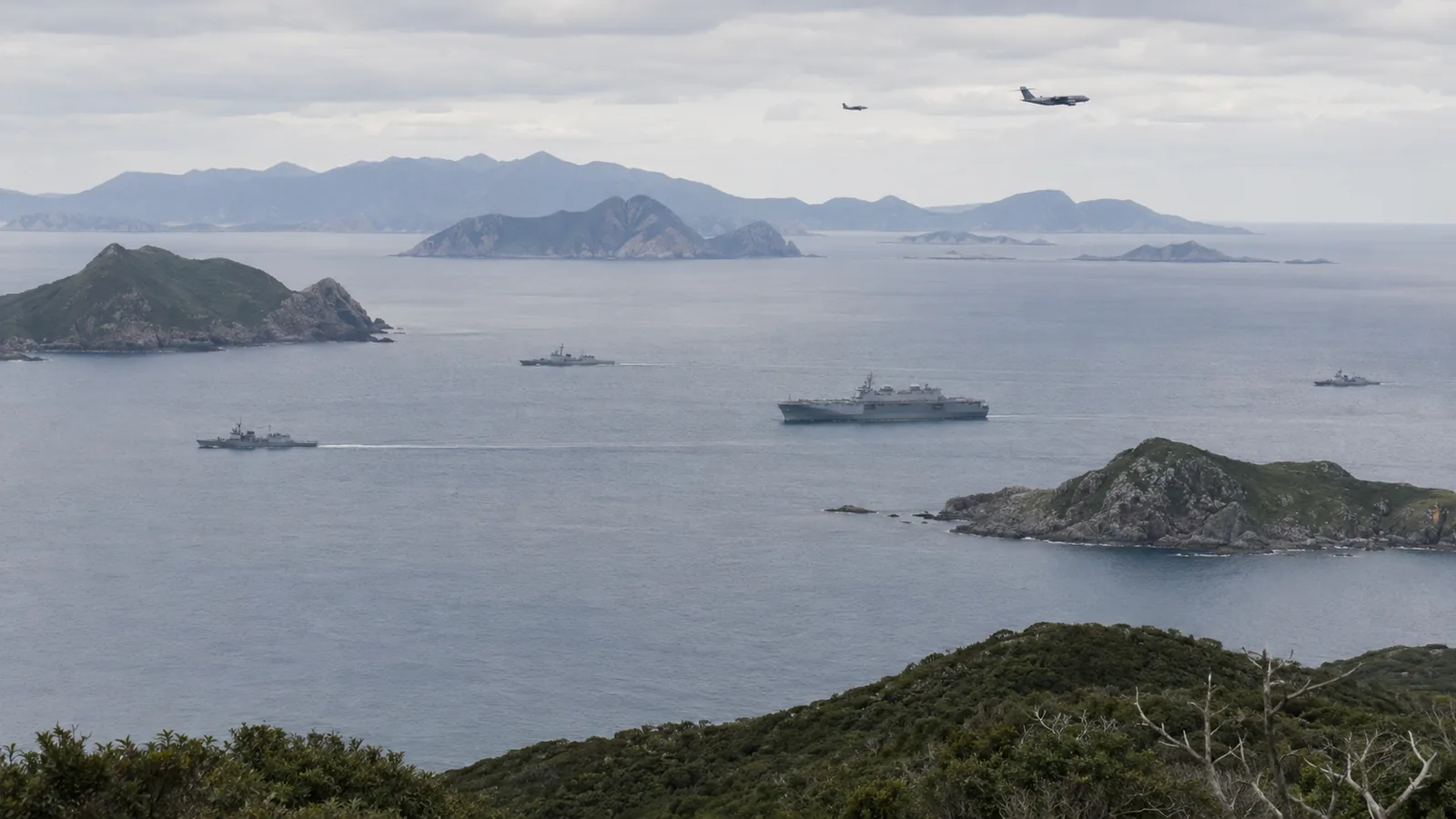
The First Island Chain Lights Up All at Once: Three Things Taiwan Really Needs to Understand Behind the Show of Force
In June and July 2026, established exercises such as KAMANDAG, Valiant Shield, and RIMPAC overlapped across the Western Pacific; RIMPAC alone drew 30 countries and 30,000 personnel. A show of force is not a commitment to come to Taiwan's defense — Taiwan still has to focus on its own command, mobilization, and social resilience.
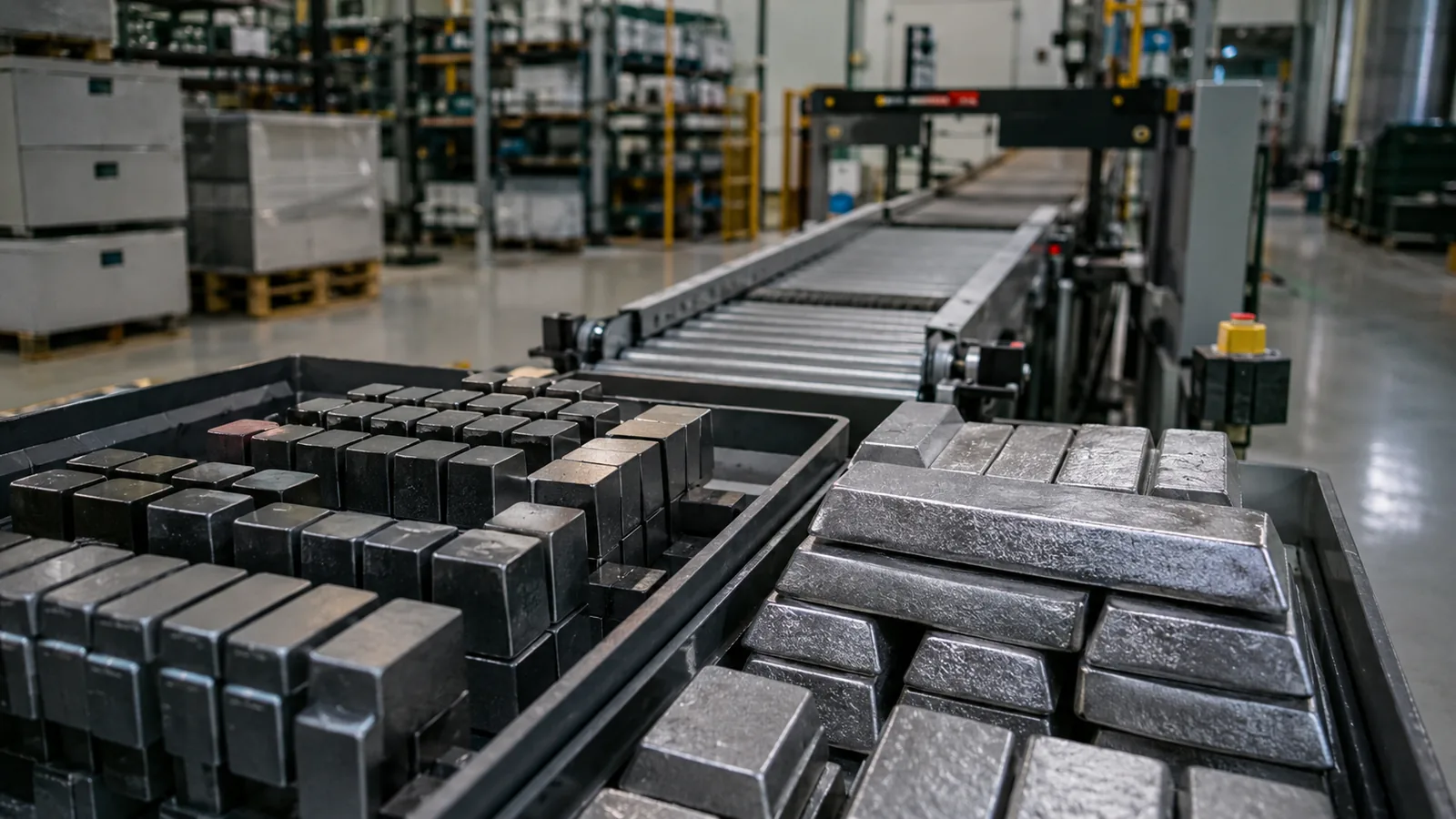
The Rare-Earth Pause Button: China Sets the Timer for November 10, 2026, With Only Months Left on the Final Countdown
Beijing hit pause on the rare-earth export controls it rolled out in October 2025, promising a one-year suspension expiring November 10, 2026. This is not a repeal — it's a timer. Rare-earth prices kept climbing through the pause anyway, with neodymium metal up more than 80% in a year. Taiwan depends on China for more than 95% of its rare earths, and its magnet, EV, defense, and semiconductor supply chains face a choice: use this breathing room to diversify sources, or bet the controls won't return?
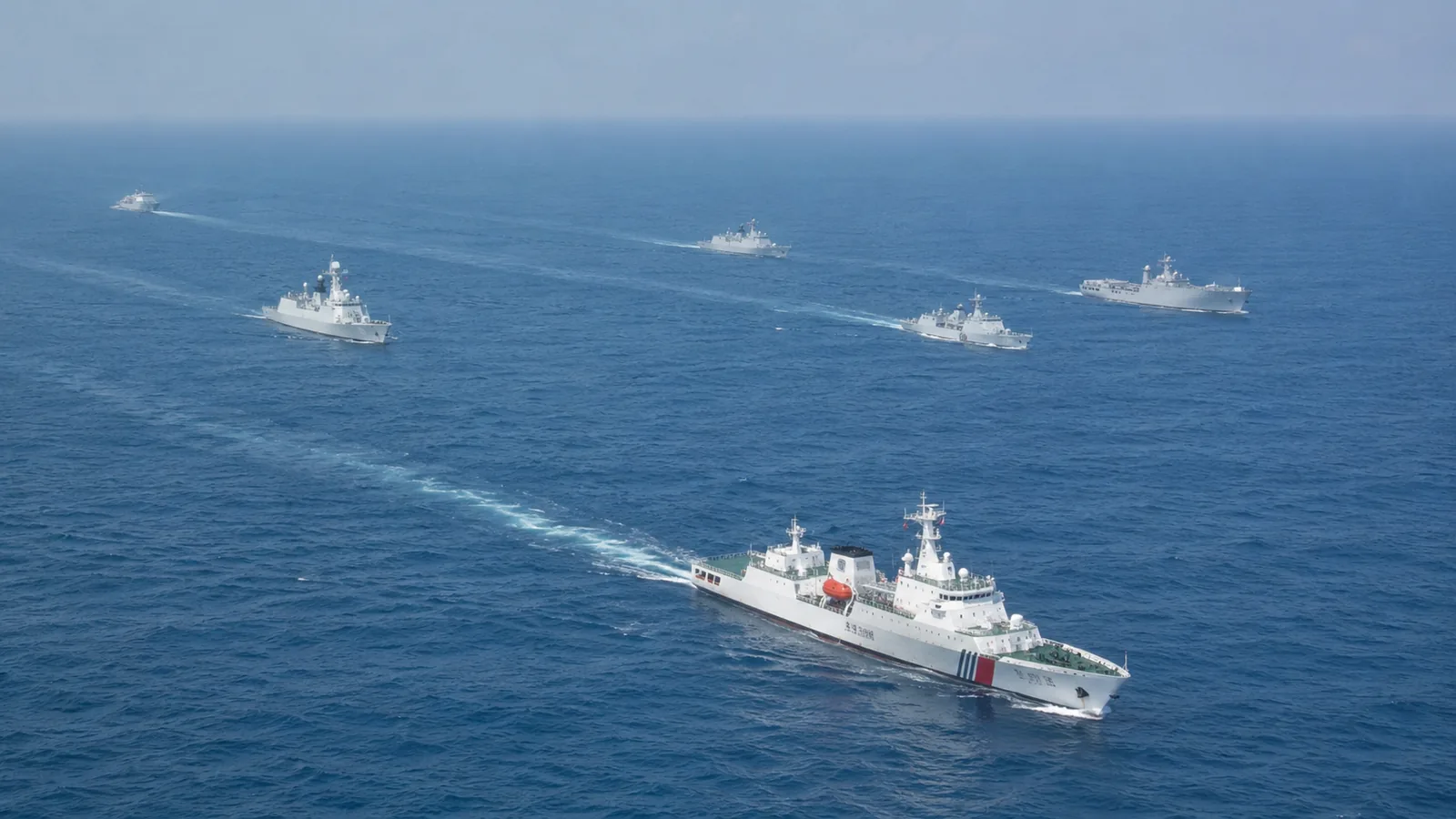
Cooling Down or Shifting Gears? The Puzzle of Declining Military Pressure in the Taiwan Strait
In the first half of 2026, public statistics show a decline in PLA air activity around Taiwan; but shows of force, coast guard activity, and blockade-control drills still need to be watched together. A drop in sortie counts alone can only prove that air activity has decreased — it cannot, by itself, prove that overall threat has declined.
The July 24 Cliff: Where Does Taiwan's Tariff Fall Back To From 10%?
A 150-day legal clock runs out on July 24. The 10% temporary tariff that has been propping up Taiwan's exports will automatically lapse — while the 15% Taiwan-U.S. agreement that is supposed to take over is still stuck in a legislature where the ruling party lacks a majority. With less than three weeks left, which number goes on your quote?
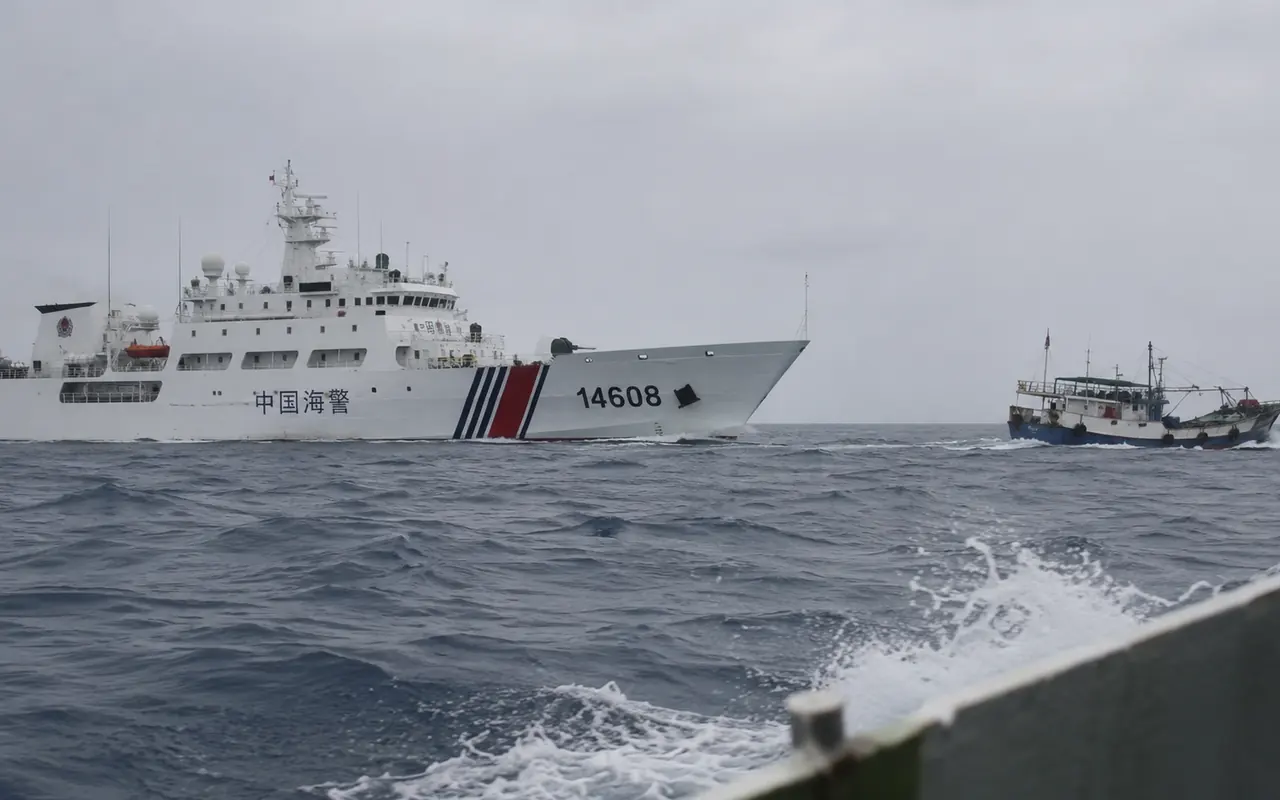
Coast Guard Lawfare: How Beijing Is Rewriting the Rules of the Taiwan Strait With White Hulls
Since 2021, China's coast guard ships have carried a legal authorization to open fire. Their presence in waters around Taiwan keeps climbing — not to fight a war, but to use legal ambiguity to rewrite the Taiwan Strait's rules of navigation, one incident at a time, so that Taiwan's sovereignty claims look unsustainable long before any formal conflict begins.
Cognitive Warfare: When Beijing's Weapon Isn't a Missile, It's Your Brain
China's cognitive warfare against Taiwan has never stopped — from fake news to deepfake videos, from infiltrating social media to manipulating election narratives, all aimed at one goal: making Taiwanese society doubt it is worth defending, before the first missile ever falls. Understanding this invisible war is a basic defense lesson for every citizen of Taiwan.

Memory: Taiwan's Democracy Grew Out of Forgetting and Remembering
Taiwan's democracy did not fall from the sky — it was won across generations, through blood and tears, through silence, through writing, through the streets. Understanding Taiwan's political culture and will to defend itself today requires first understanding how Taiwan's collective memory was suppressed, contested, and rebuilt; and in the face of Beijing's cognitive-warfare and historical-narrative offensive, memory itself is becoming the strategic asset Taiwan most needs to guard.
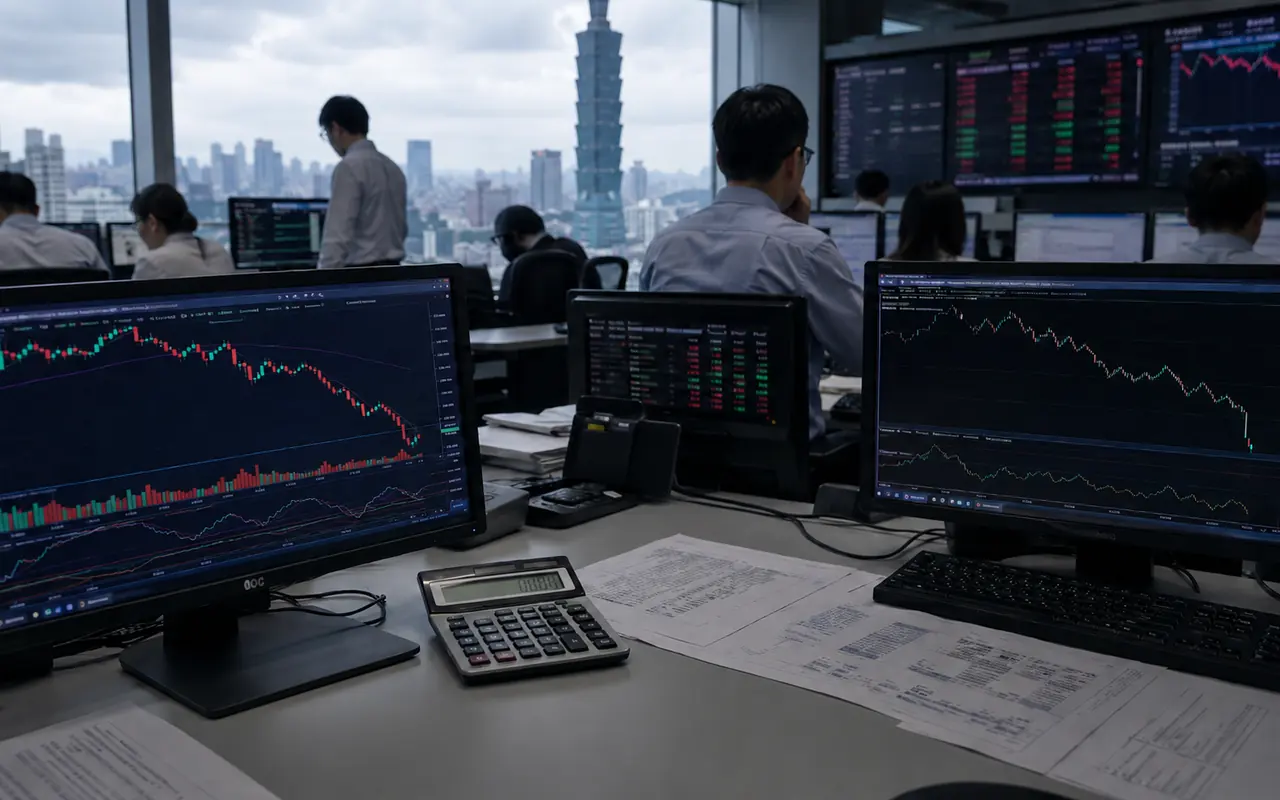
Financial Warfare: After the Dollar Was Weaponized, Where Does the Next War Get Fought?
Russia's expulsion from SWIFT and the freezing of its foreign-exchange reserves showed the world just how powerful financial sanctions can be. Beijing took the lesson to heart and is accelerating the build-out of alternative rails that bypass the dollar system. By the same logic, if a Taiwan Strait conflict breaks out, both sides' financial arsenals would likely fire the first shots — is Taiwan's financial system ready?
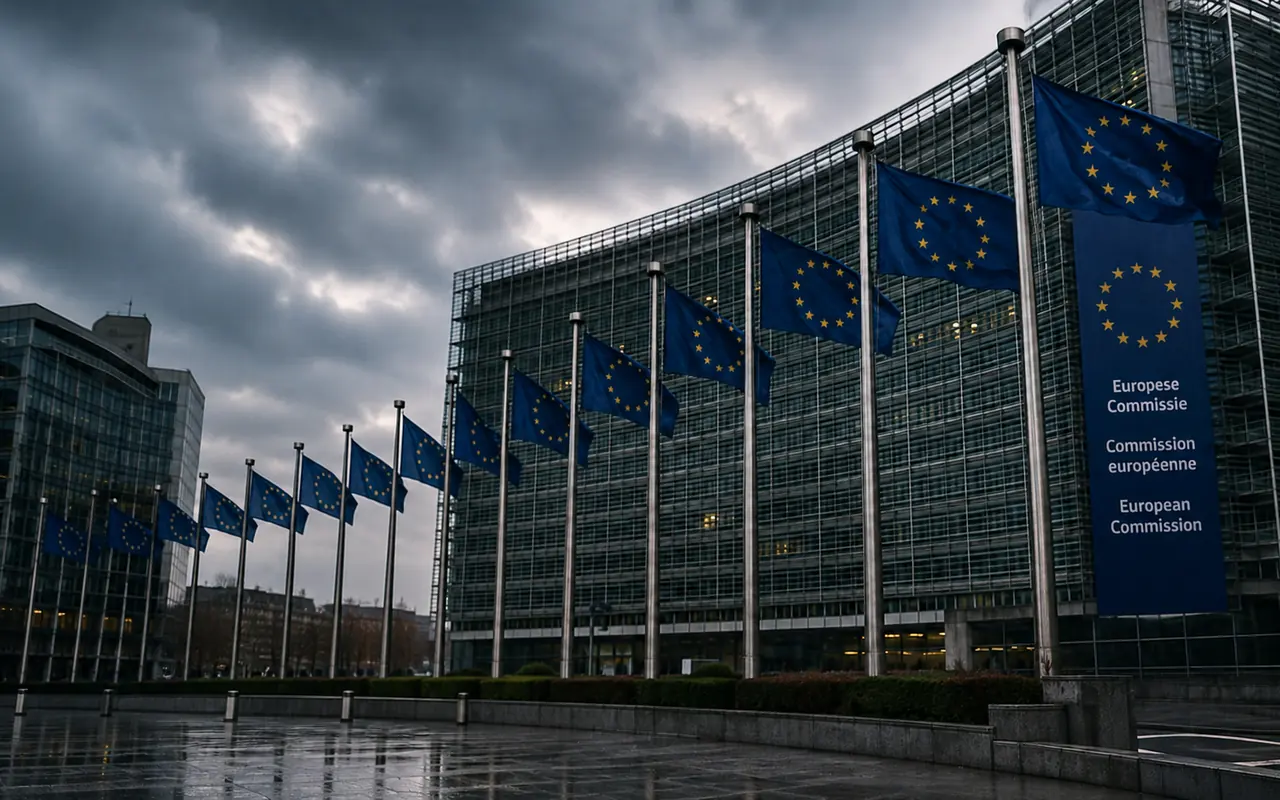
The Lithuania Model: How a Country of Three Million Said No to Beijing and Didn't Get Crushed
In 2021, Lithuania allowed Taiwan to open a representative office under the name 'Taiwan.' Beijing's retaliation was diplomatic downgrading, economic sanctions, and supply-chain pressure. Nearly five years later, Lithuania had not backed down, and China had not escalated further. What does this case tell democracies beyond Taiwan? What was the price? And what can Taiwan not simply copy?

The Talent Ledger: How Much Brainpower Does Taiwan Lose Each Year — Do We Actually Know?
Taiwan faces a triple squeeze at once — an aging population, a birth rate at the bottom of the global rankings, and an outflow of highly skilled talent — yet the policy debate often focuses on the wrong thing. Winning back a handful of overseas Taiwanese will not solve a structural problem; the real question is whether Taiwan can make the next generation of top talent feel that staying is worth it.
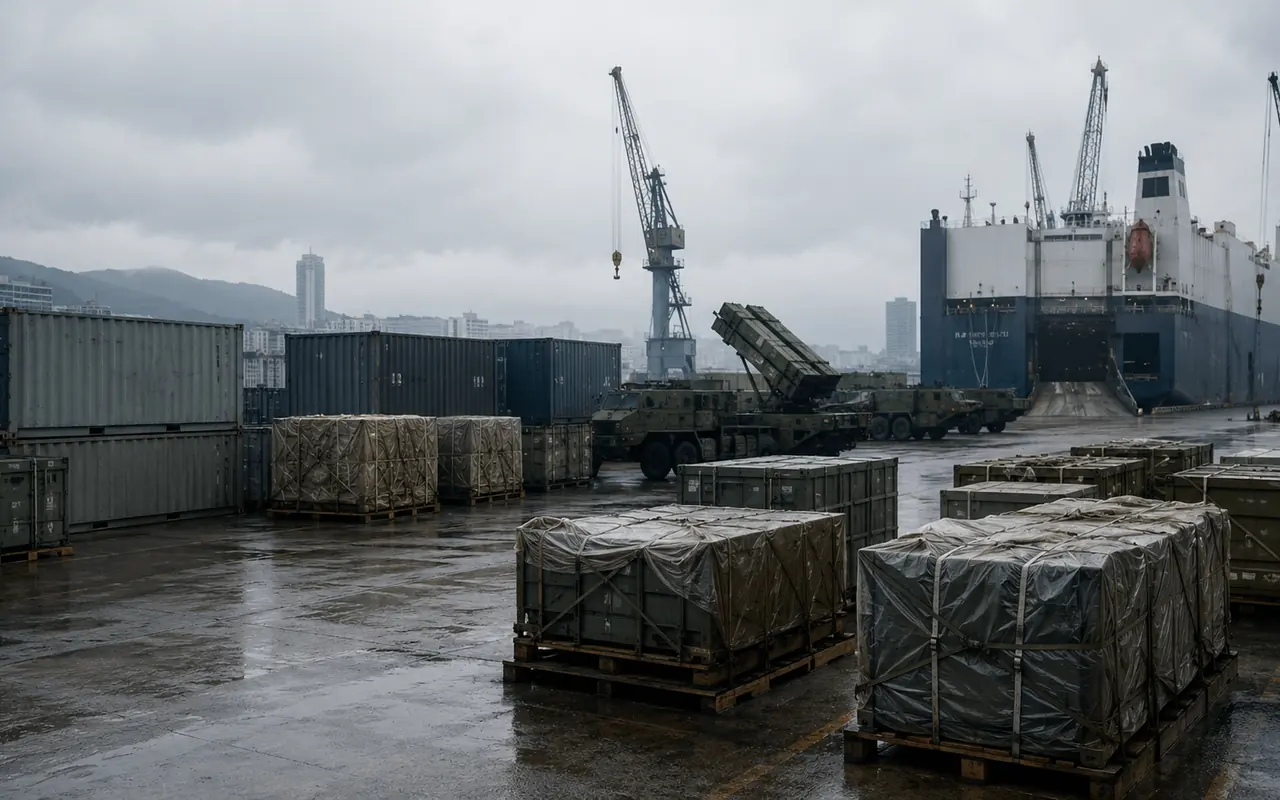
Paid For, Not Delivered: Taiwan's US$19 Billion Arms-Sales Backlog Is a Deterrence Black Hole
Taiwan has already paid out more than US$19 billion in arms-sales deposits — F-16V deliveries keep slipping, the Harpoon Coastal Defense System, though now prioritized, will not be fully delivered until 2028, and the exact quantity of PAC-3 MSE missiles has never been officially disclosed — weapons that exist only on paper deter no one. In the highest-risk window for the Taiwan Strait, Taiwan's core problem is not just chasing deliveries — it is having to redefine its own security logic.
The Civil-Defense Gap: From Kuma Academy to Whole-of-Society Resilience, How Wide Is Taiwan's Preparedness Shortfall?
Kuma Academy says it has trained more than 80,000 people, but a civil-society course cannot substitute for a national civil-defense system. Taiwan has already set up a Whole-of-Society Defense Resilience Committee and Town Resilience Drills; the real gaps can only be confirmed through point-by-point facility checks, local drill results, and offline guidance.
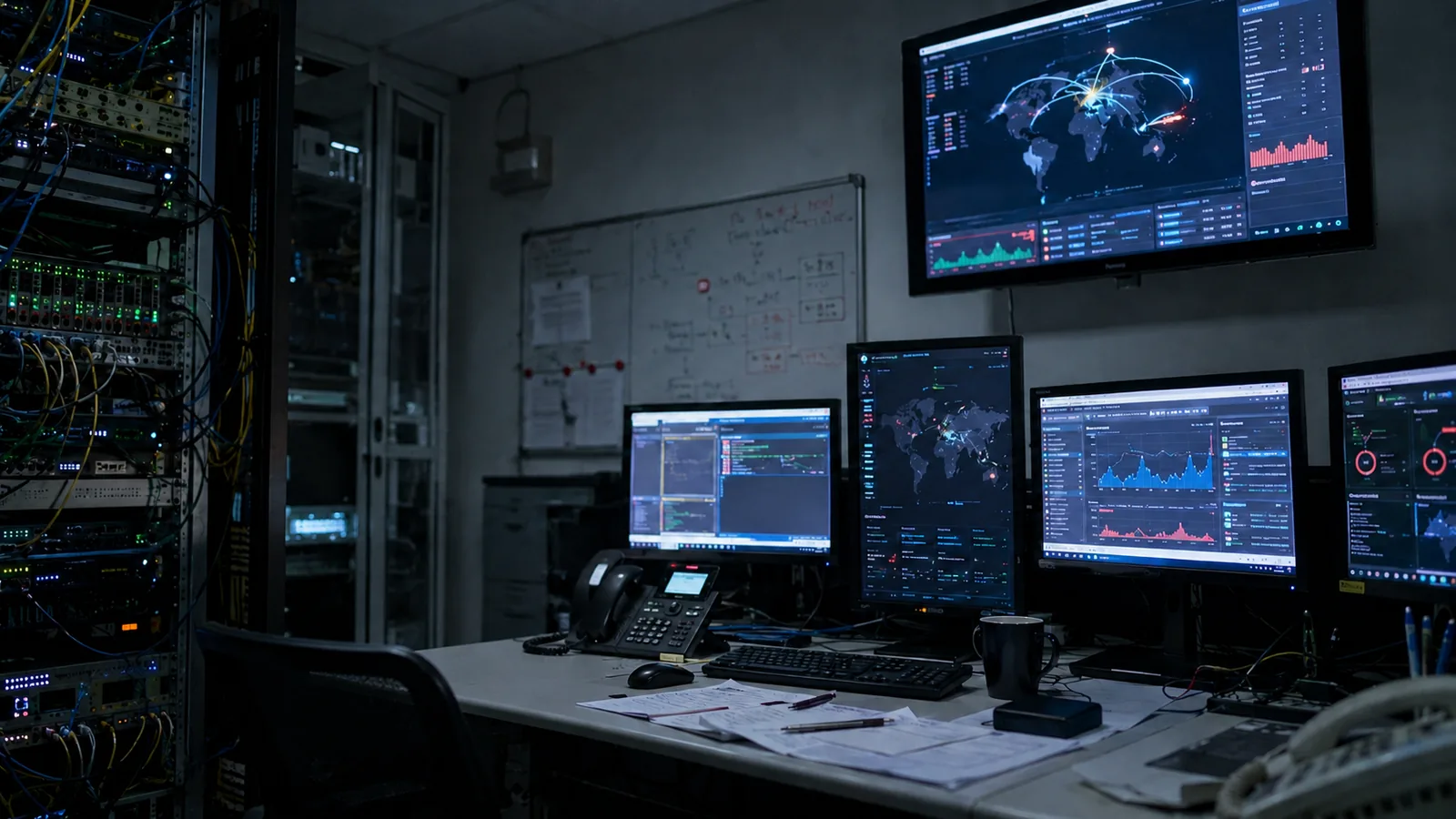
Taiwan's Cyber Front Line: 2.4 Million Attacks a Day, and the Life-or-Death Speed of Cybersecurity Governance
Taiwan absorbs more than 2.4 million foreign cyberattacks a day, and the actors behind them point, without exception, to APT groups backed by the Chinese state (officially described as "PRC-linked," or in Taiwan's own terminology "CCP cyber forces" — whether they belong to a specific People's Liberation Army unit remains unconfirmed). Government agencies, critical infrastructure, and supply chains are all on the target list. Three years after the Ministry of Digital Affairs was founded, a zero-trust architecture is being rolled out — but one unpatched computer in a county or city government office could cost an entire city its power.
ECFA Endgame
Beijing suspended ECFA's early-harvest list, and the collapse everyone expected never came — because the decoupling had already been under way for years. But the real question was never whether decoupling is happening; it is who props Taiwan up once the China market is gone.
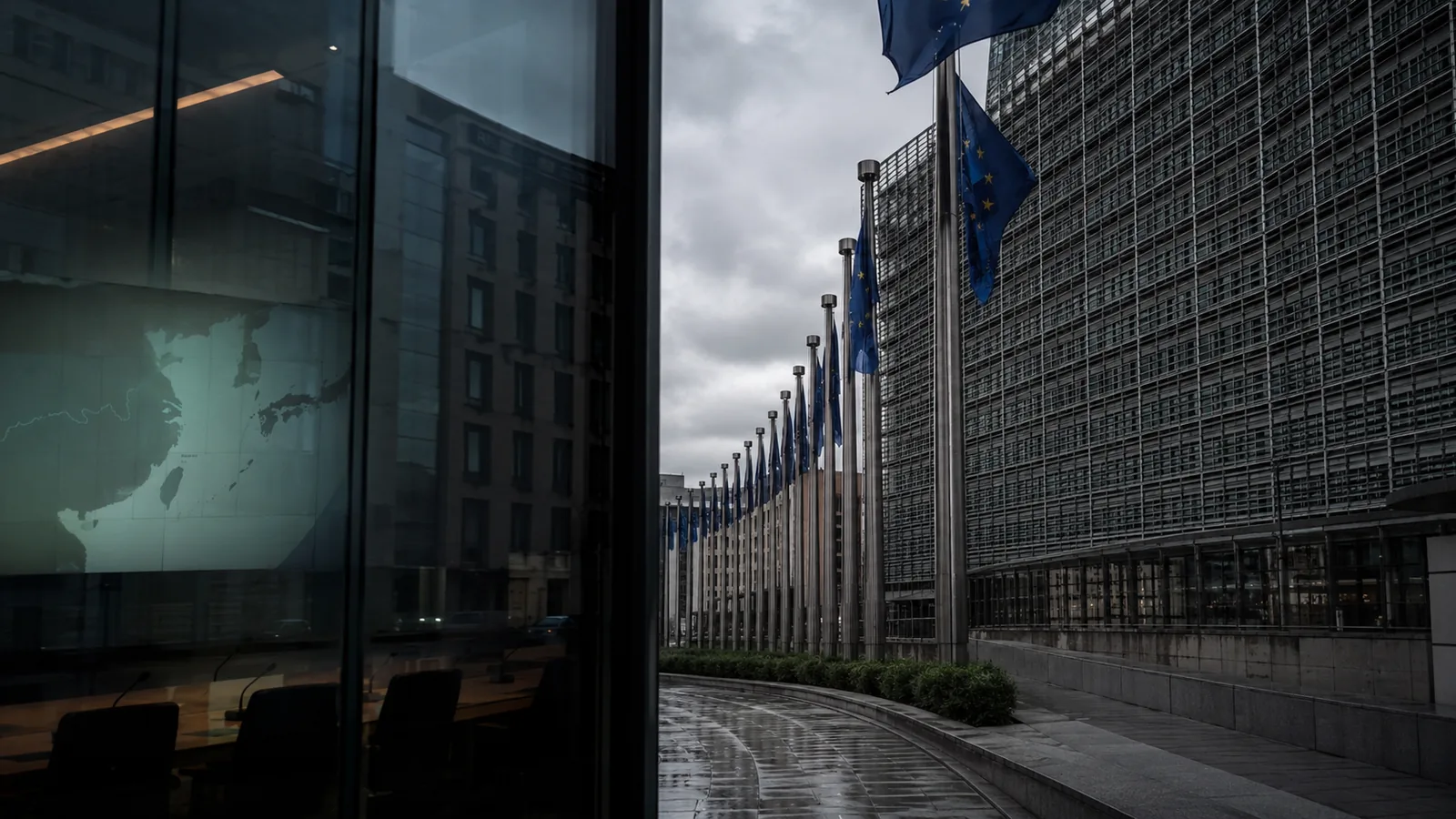
The EU's Taiwan Pivot: From Polite Silence to Strategic Concern, Brussels' New Calculus on the Taiwan Strait
The European Parliament has sharpened its language on Taiwan, the Taiwan-EU Trade and Investment Dialogue has become institutionalized, and the Netherlands has widened export-licensing requirements for certain semiconductor equipment — but none of this amounts to a security commitment, nor a blanket exemption for Taiwan. The EU's Taiwan policy is growing more concerned, but it has not crossed the line set by the One-China policy and the limits of member-state competence.
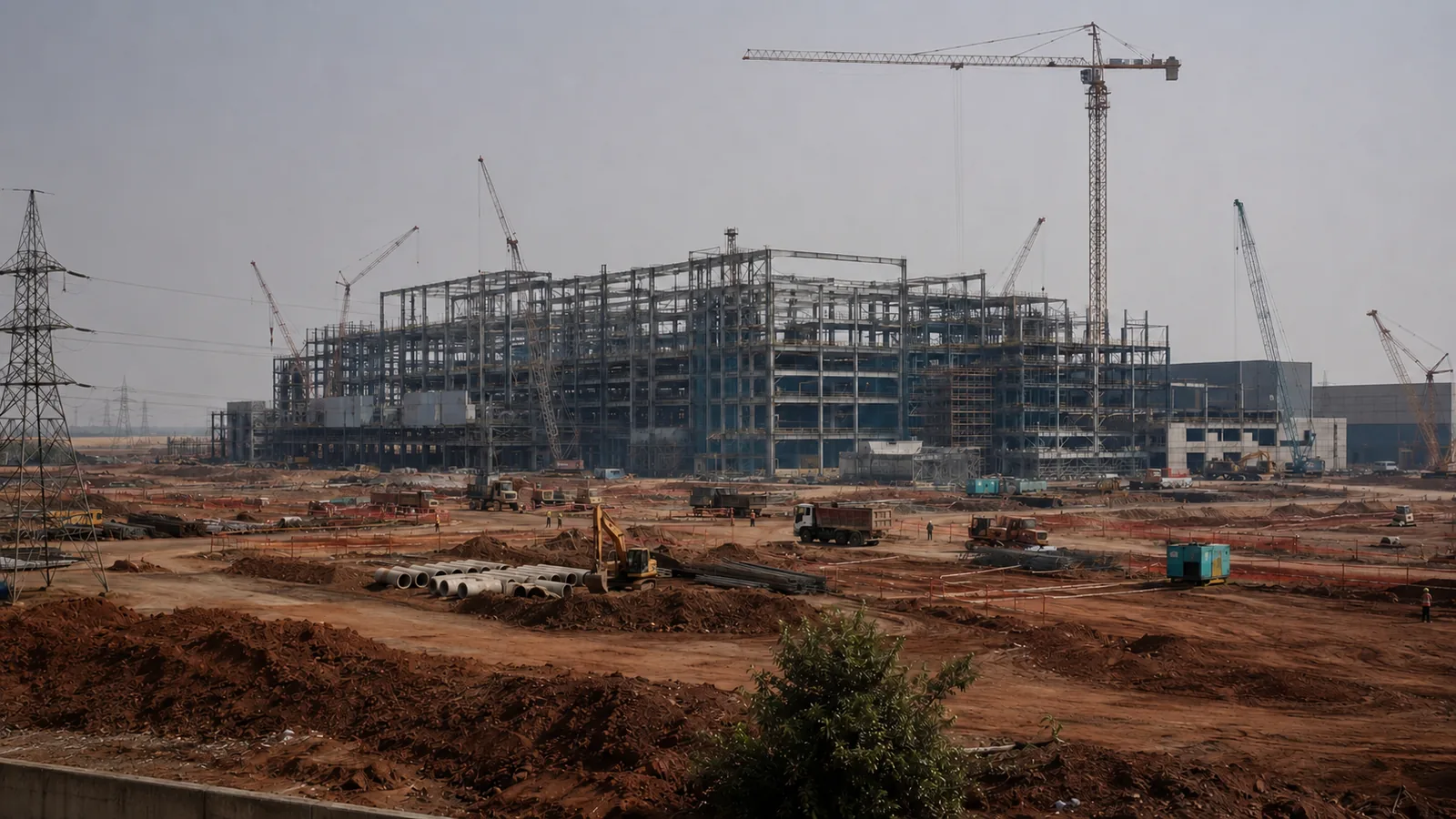
The India Card: Taiwan's South Asia Push, the India+1 Opportunity, and the China-India-Taiwan Triangle
Tata is building a large fab in Gujarat with a PSMC technology partnership, Foxconn assembles iPhones in Bengaluru, and Taiwan-India trade has grown nearly 80% in five years — Taiwan-India relations are entering a new density. But is this a genuine strategic pivot, or opportunism born of the China factor?
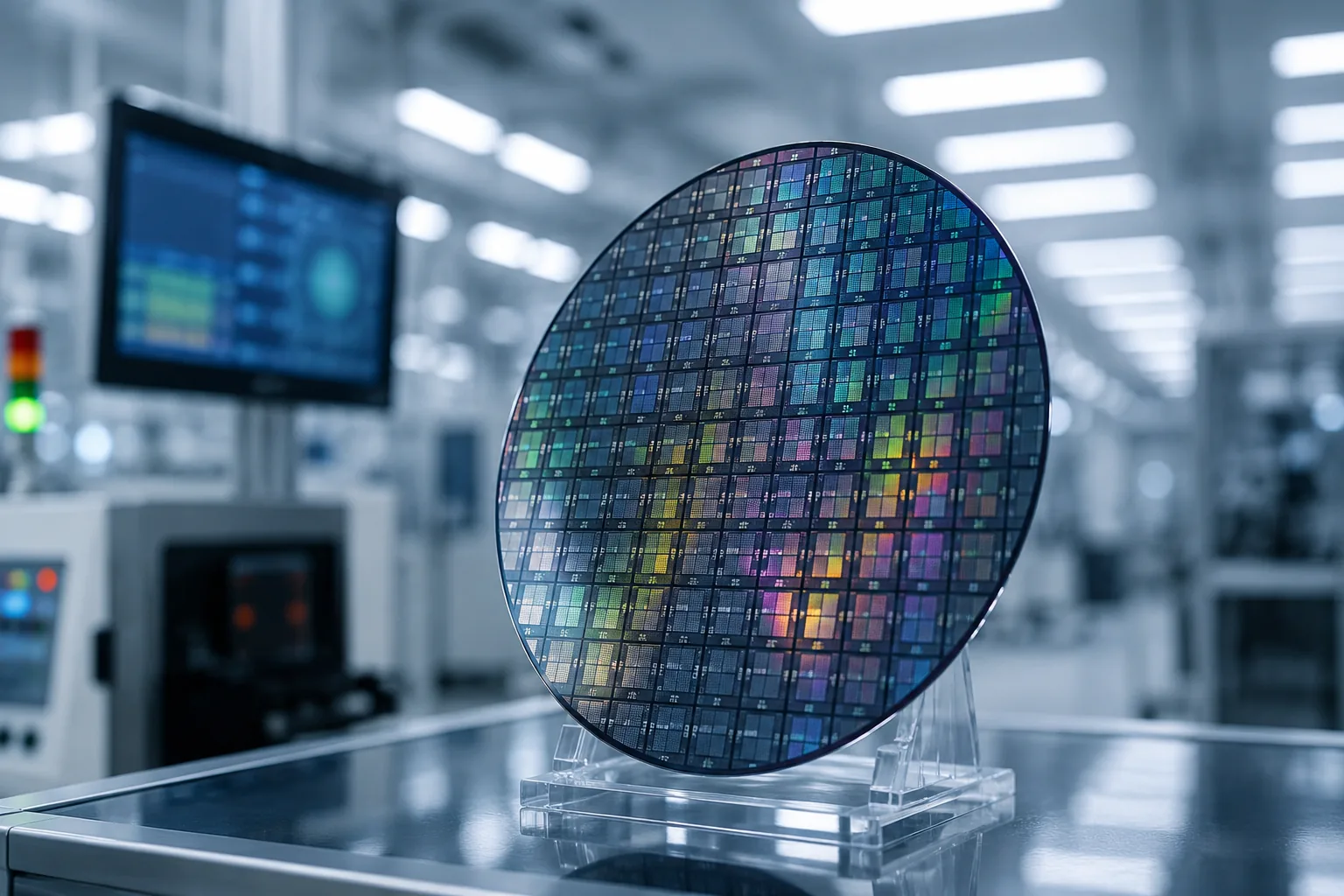
Taiwan's Semiconductor Dependency
Semiconductors have driven Taiwan's GDP to new highs, but they have also made Taiwan's economic structure look more and more like a unicycle. The AI capex cycle will eventually turn — when it does, can a Taiwan with no second engine absorb the shock?
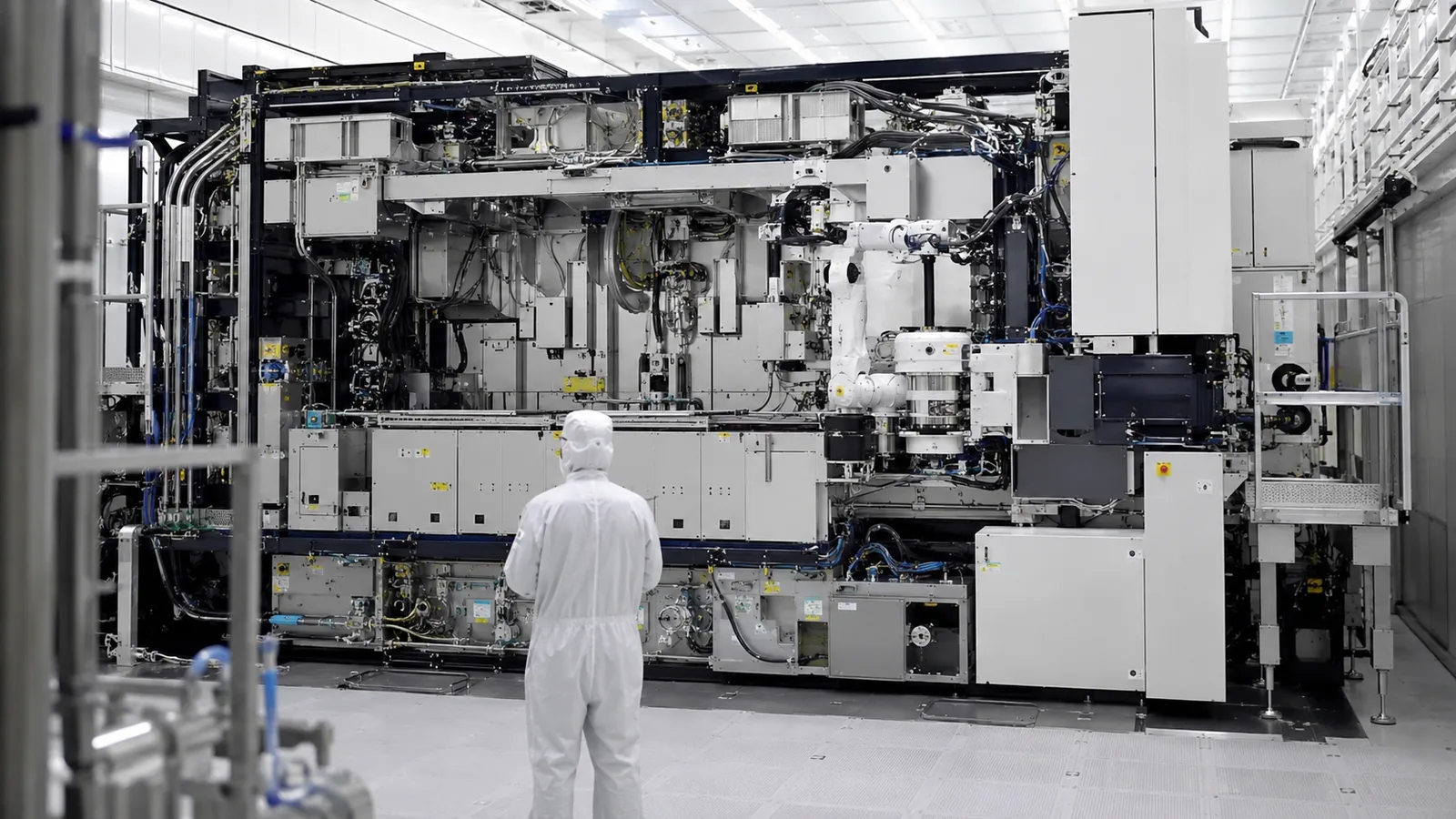
The Equipment Bind: Taiwan's Dependence on ASML, KLA, and Applied Materials
Taiwan makes more than 92% of the world's most advanced chips, but the EUV machines, etch tools, and metrology systems that make it possible come almost entirely from the Netherlands and the United States — down to the remote shutdown button, which is also held by someone else. That dependence is Taiwan's talisman, and the least-discussed blade hanging over the silicon shield.
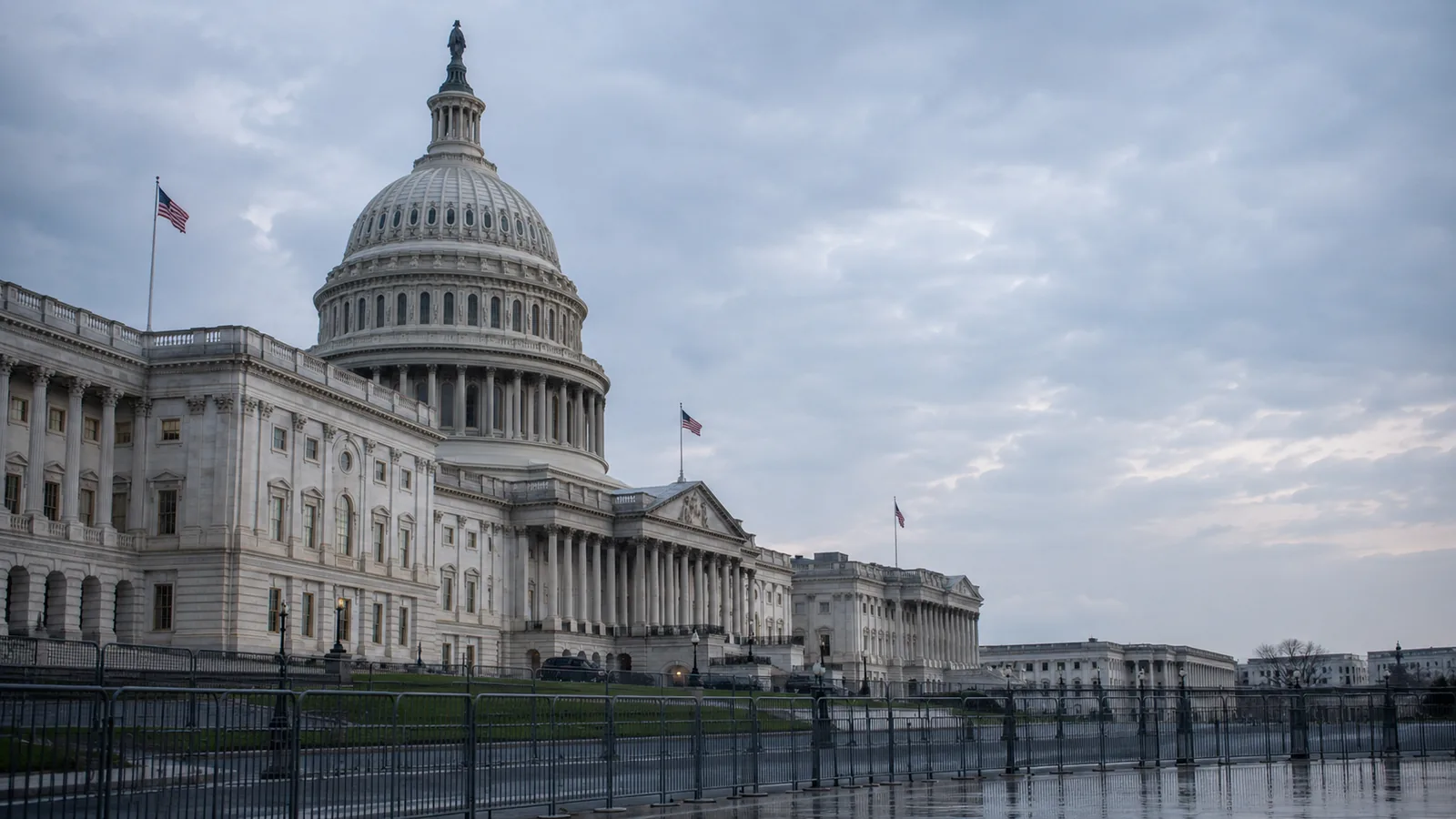
Congress as the Line of Defense: The Resilience and Limits of Bipartisan Support for Taiwan in the Trump Era
423 to 1 — the lopsided House vote in January 2025 approving the U.S.-Taiwan double-tax agreement nearly sums up the surface picture of 'bipartisan support for Taiwan.' Yet in Trump's second term, the executive branch's transactional logic, an undercurrent of isolationism, and the constitutional gap between 'legislation passed' and 'policy executed' are quietly eroding this political shield often called Taiwan's last line of defense. Is Congress a guardrail, or a blank check with writing on it?
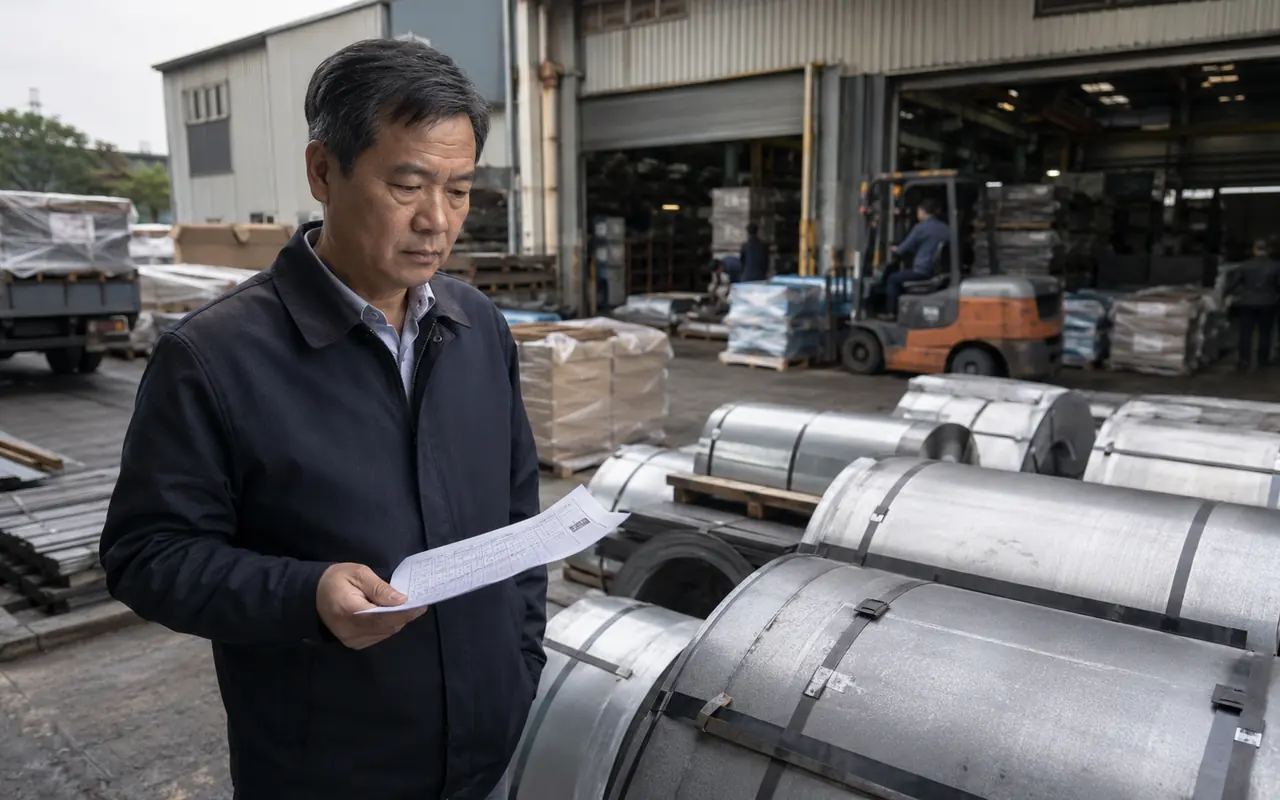
Exporting Deflation: When the Neighbor Starts Dumping, How Does Taiwan's Factory Survive?
China has posted 39 straight months of producer-price deflation, dumping its surplus steel, EVs, solar panels, and displays onto the world at rock-bottom prices. For Taiwan, this is a tide that cuts industry in two — AI and semiconductors ride the crest, traditional manufacturing is pushed under. The question is not whether China will collapse, but which half of the tide your factory is standing on.
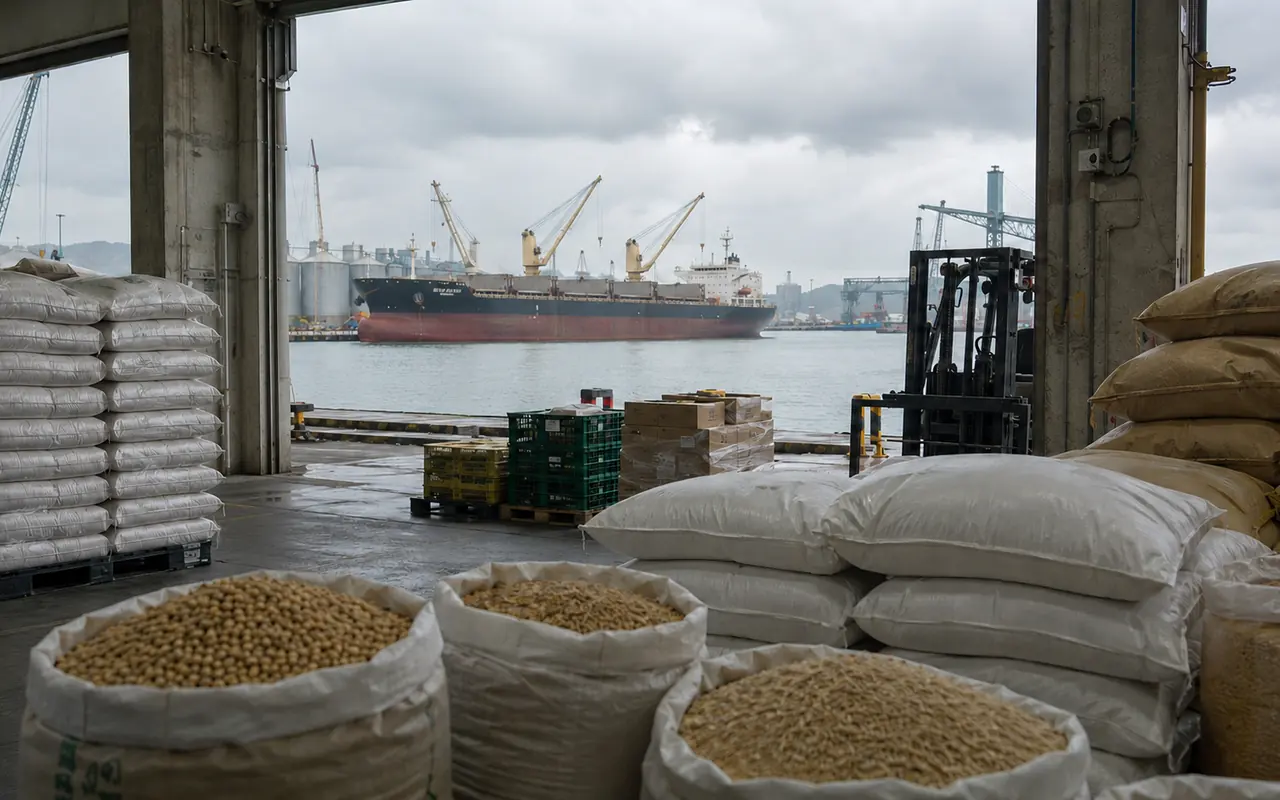
The Island Cut Off From Shipping: How Long Can Taiwan Eat When the Supply Line Breaks
Taiwan's calorie-based food self-sufficiency rate was 30.7% in 2024; rice stood at 102.9%, while wheat and soybeans were only 0.2% each and corn 3.7%. When a shipping cutoff bites, what strains first is usually not white rice, but animal feed, flour, prices, and nutritional structure.
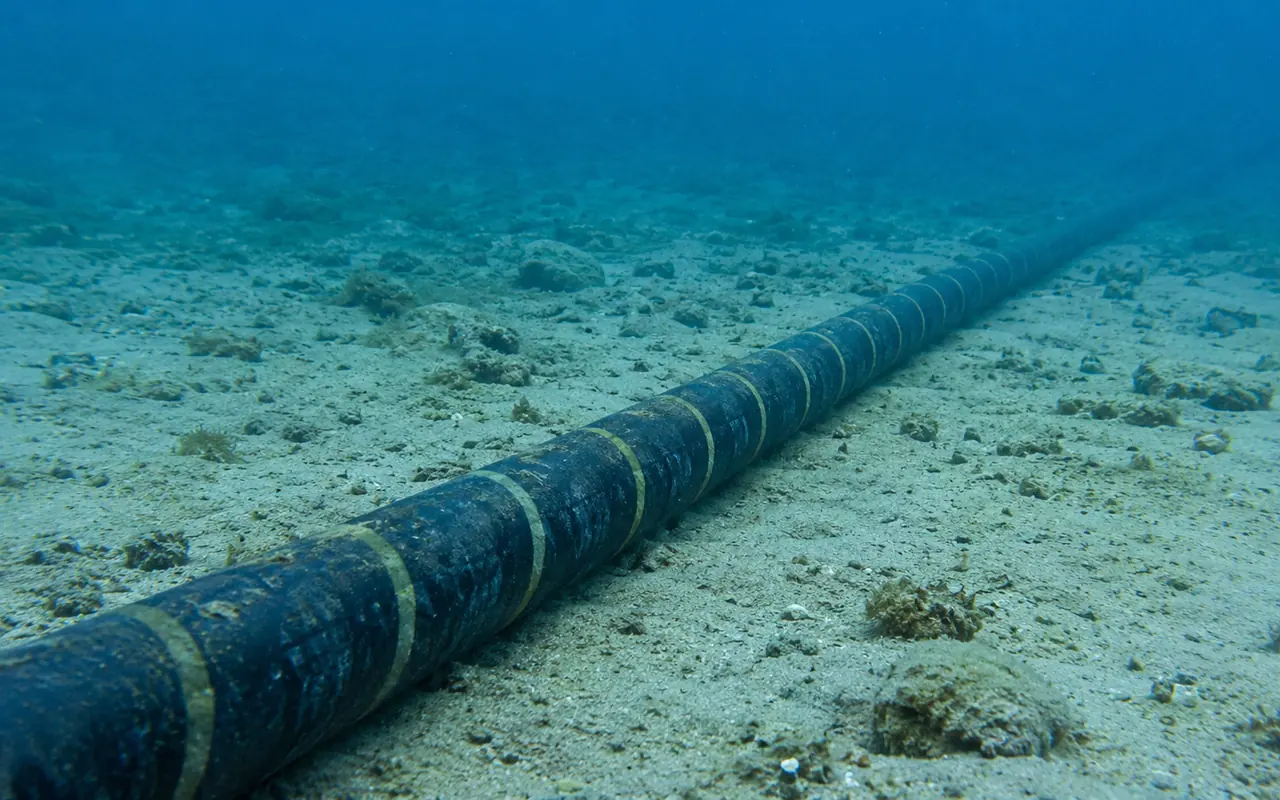
The Submarine Cable in the Sky: When the Line Is Cut, Who Keeps Taiwan Connected to the World
A submarine cable can be severed by a single ship dragging its anchor — so what is the backup? Low-earth-orbit satellites are Taiwan's last lifeline when the lines go dead. But should this line in the sky be woven by Taiwan itself, or rented from someone else? When Ukraine's drone boats lost contact and ran aground because of one decision by Elon Musk, Taiwan learned: true sovereignty is not about whether you have a satellite — it is about who holds the switch.
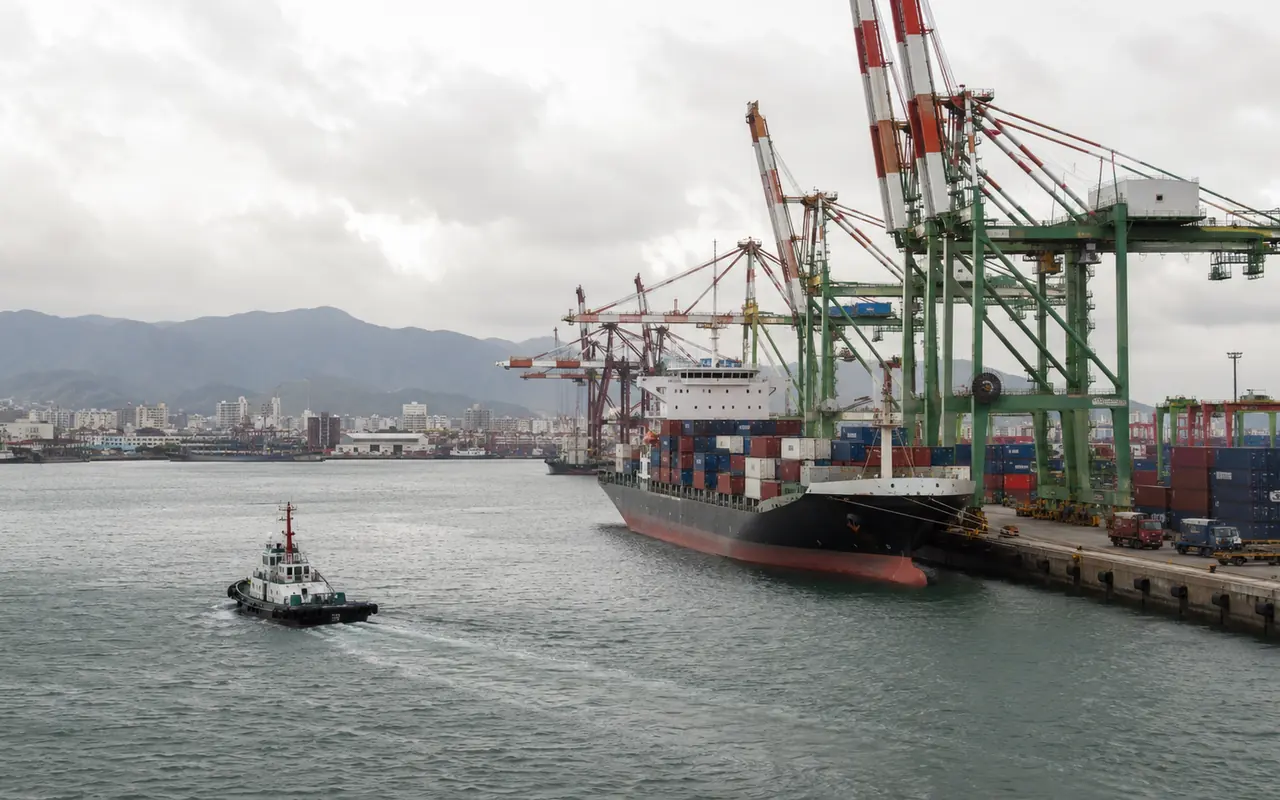
New Southbound 2.0: You Can Diversify, But You Can't Replace — Taiwan's Market Breakout and Its Ceiling
Taiwan's share of exports to China has plunged from 43.9% to under 30%, and on the surface Taiwan looks like it has successfully "escaped China." But how much of that escape is New Southbound Policy's doing, and how much is just the denominator inflated by AI exports? With CPTPP rejection three times over, IPEF offering no tariff relief, and Beijing setting a diplomatic ceiling — how far can New Southbound 2.0 actually take Taiwan?
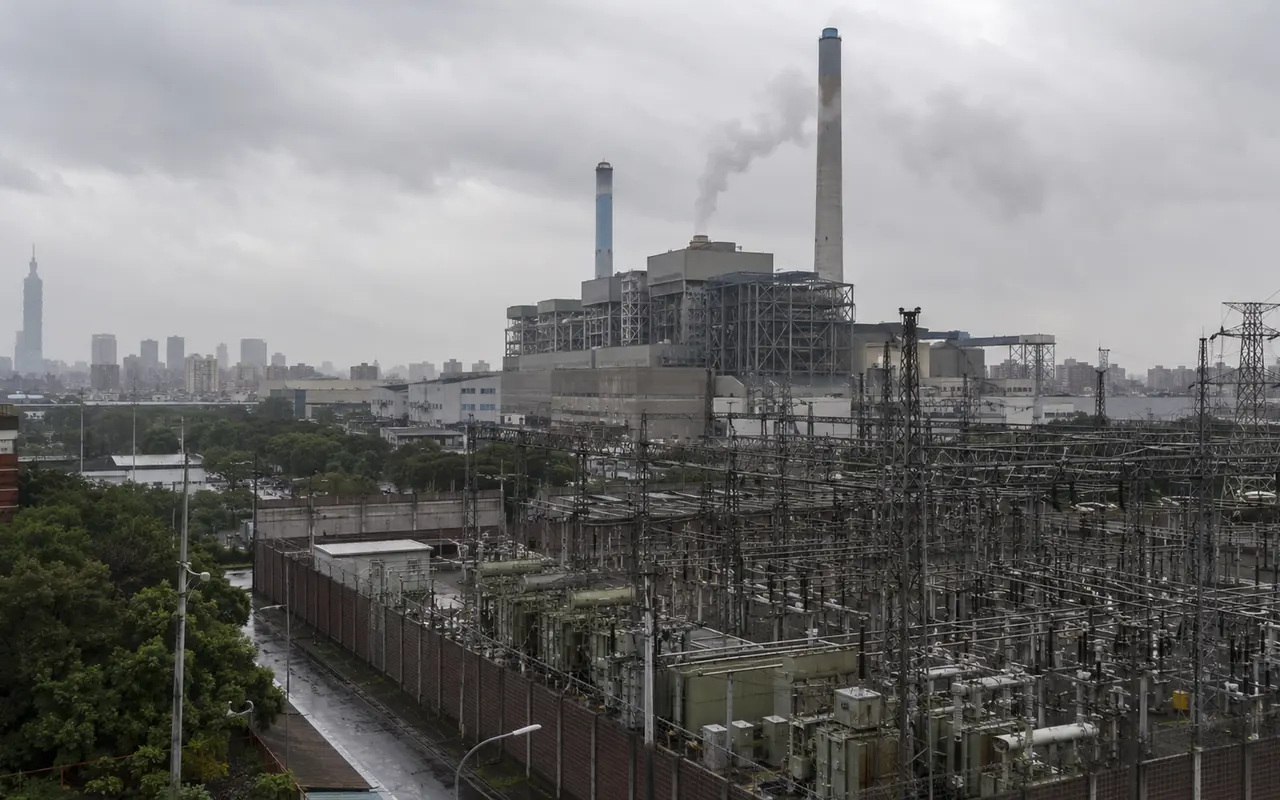
After the Great Recall: When National Security and Electricity Became Hostages to Political Warfare
In the summer of 2025, Taiwan mobilized a million petition signatures to try to rewrite the Legislative Yuan's power structure through a "Great Recall" — and all 31 recall motions failed. The ruling party's minority status was thereby locked in, dragging down a special defense budget cut by about forty percent, stalling the general budget for half a year, and forcing an overnight U-turn in energy policy. The most dangerous part: whenever Taiwan tears itself apart over defense and electricity, the side that welcomes it most has always been across the Strait.
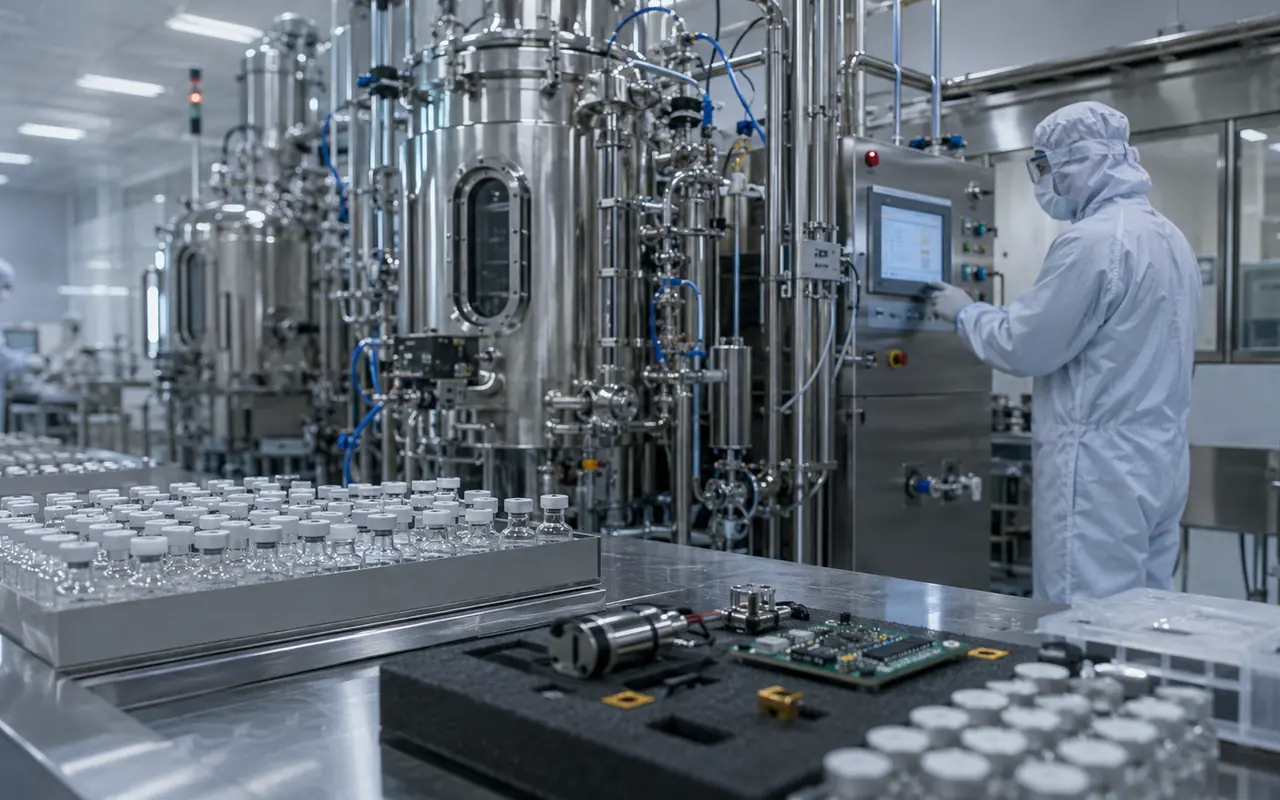
A Second Sacred Mountain? Taiwan Biotech's Opportunity and Its Ceiling
Beyond semiconductors, Taiwan wants to build another sacred mountain, and biotech is the popular answer. But open the ledger: its output value trails semiconductors by 7 to 13 times, biotech stocks are still stuck in winter, and National Health Insurance keeps drug prices among the lowest in the world. This is not a ready-made mountain — it's a grove of trees just planted. Worth planting, but don't hype it into a sacred mountain.
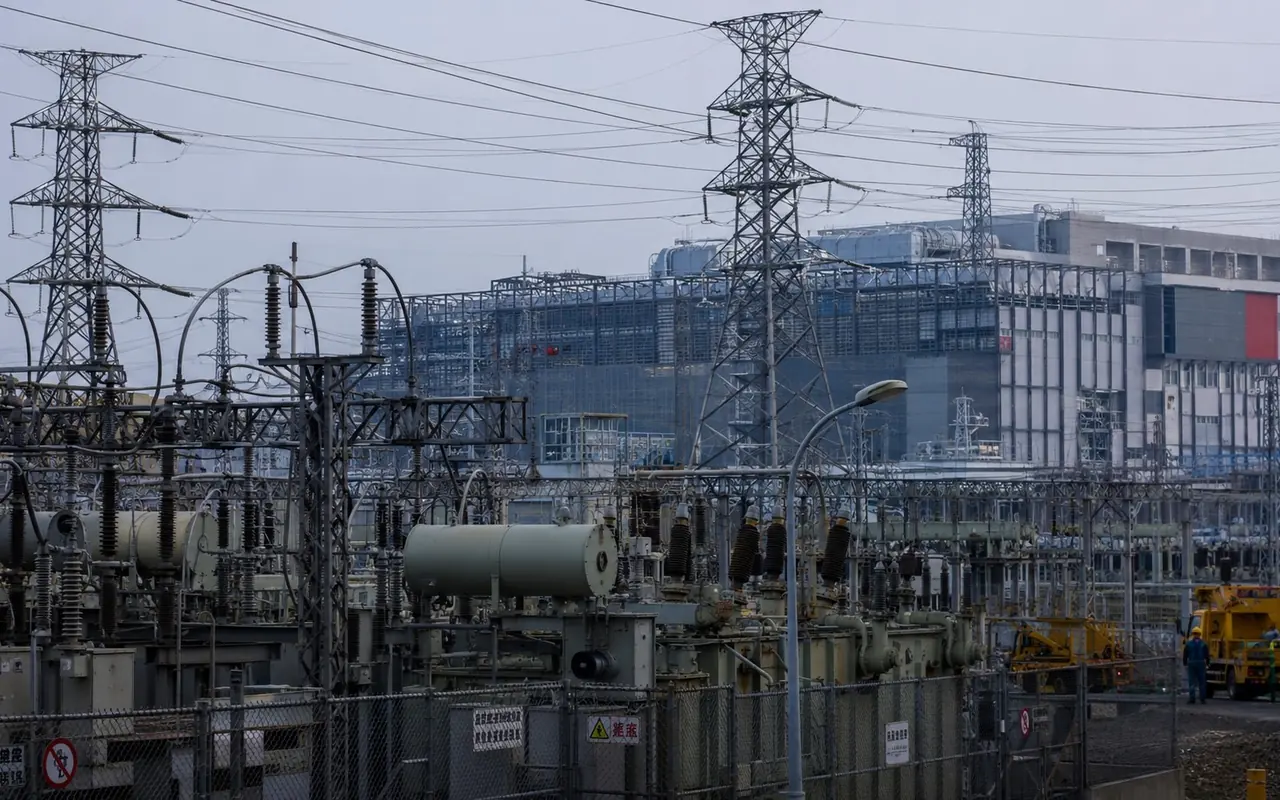
AI Wants to Eat Taiwan's Electricity: How to Get Through Four Years of a Low Night-Time Reserve Margin
Taiwan is winning orders from around the world on the strength of AI, but AI and semiconductor expansion also eat electricity — Taipower estimates more than 5GW of new demand by 2030. The government's latest supply-and-demand report shows the night-time reserve margin running at 12.8%, 12.5%, 8.0% and 7.1% from 2026 through 2029. This is a long-term planning indicator, not a daily operating reserve figure; the real problem is that industrial expansion is running straight into a four-year window of thin night-time supply margin.
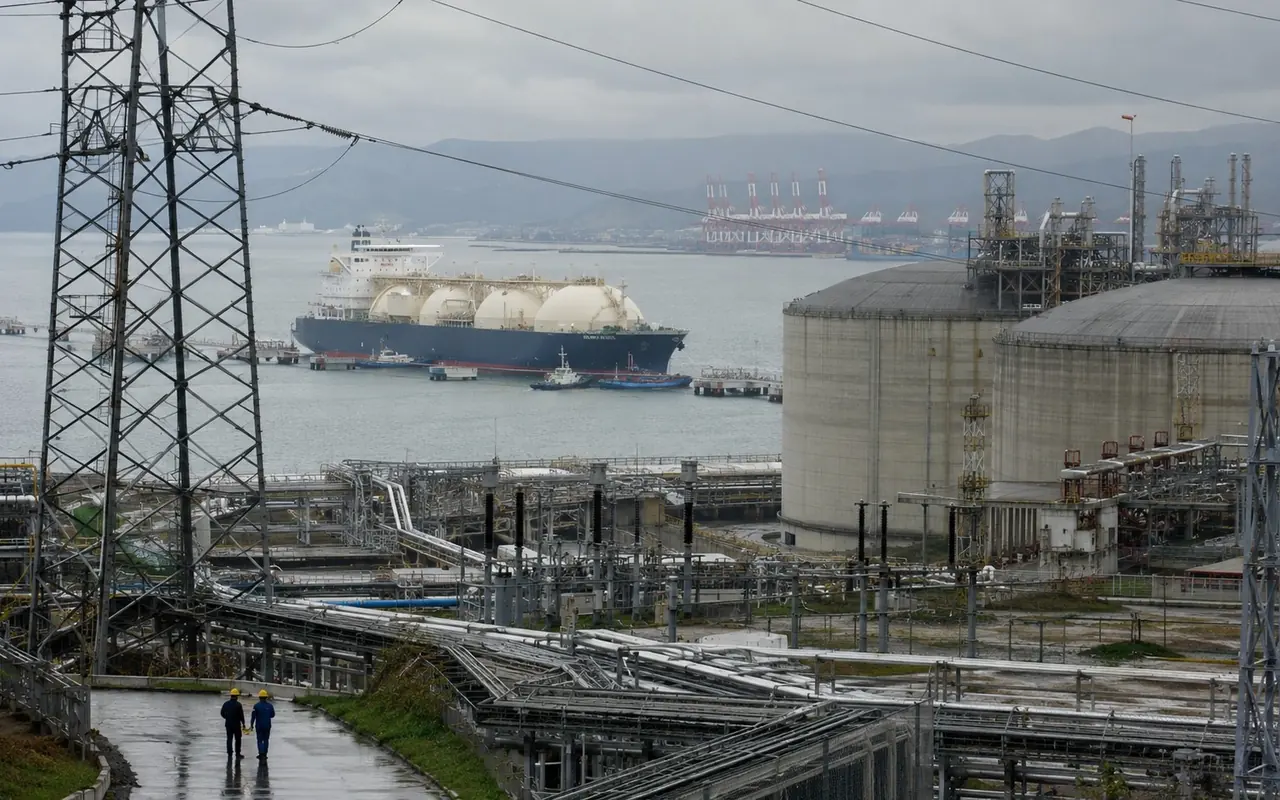
Hormuz Shock, Taiwan's Other Bill
The Strait of Hormuz was briefly blockaded, oil prices blew past $100 a barrel, and yet the price boards at Taiwan's gas stations barely moved. Don't relax just yet — that bill hasn't disappeared. It has just been hidden, given a different name, and set aside for a different time, before it comes back to find you.
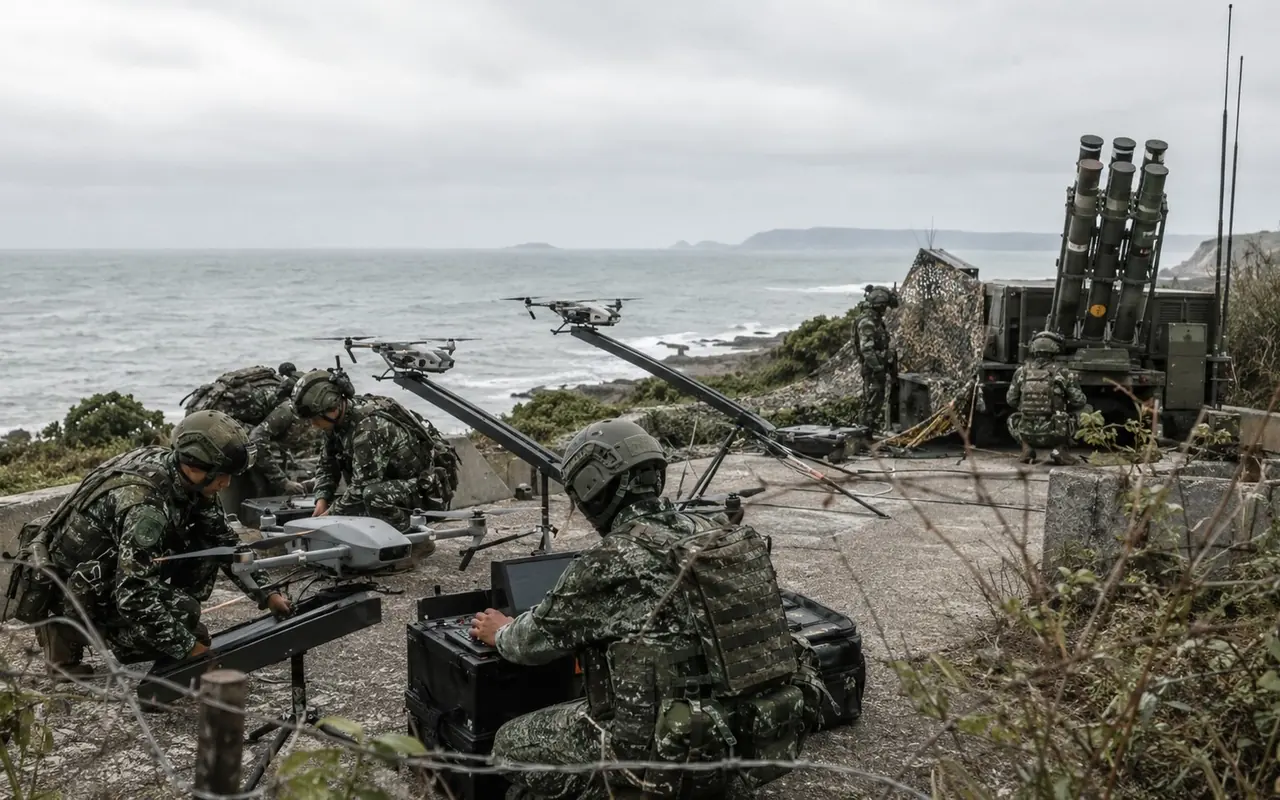
A Porcupine on Paper, or a Real One? The Execution Gap in Taiwan's Asymmetric Warfare Capability
Turn Taiwan into a porcupine — expensive and painful to bite into — with large numbers of cheap, hard-to-destroy drones and missiles that make an invasion hard to pull off. That direction is already a consensus; the armed forces have even issued a tender for nearly 50,000 domestically made drones. The real question isn't whether to do it — it's whether money can buy urgency along with the equipment. When the services are still infatuated with large platforms, when T-Dome may be crowding out asymmetric capability, and when the special budget is still being cut in the Legislative Yuan — have those quills actually grown on Taiwan's own body?
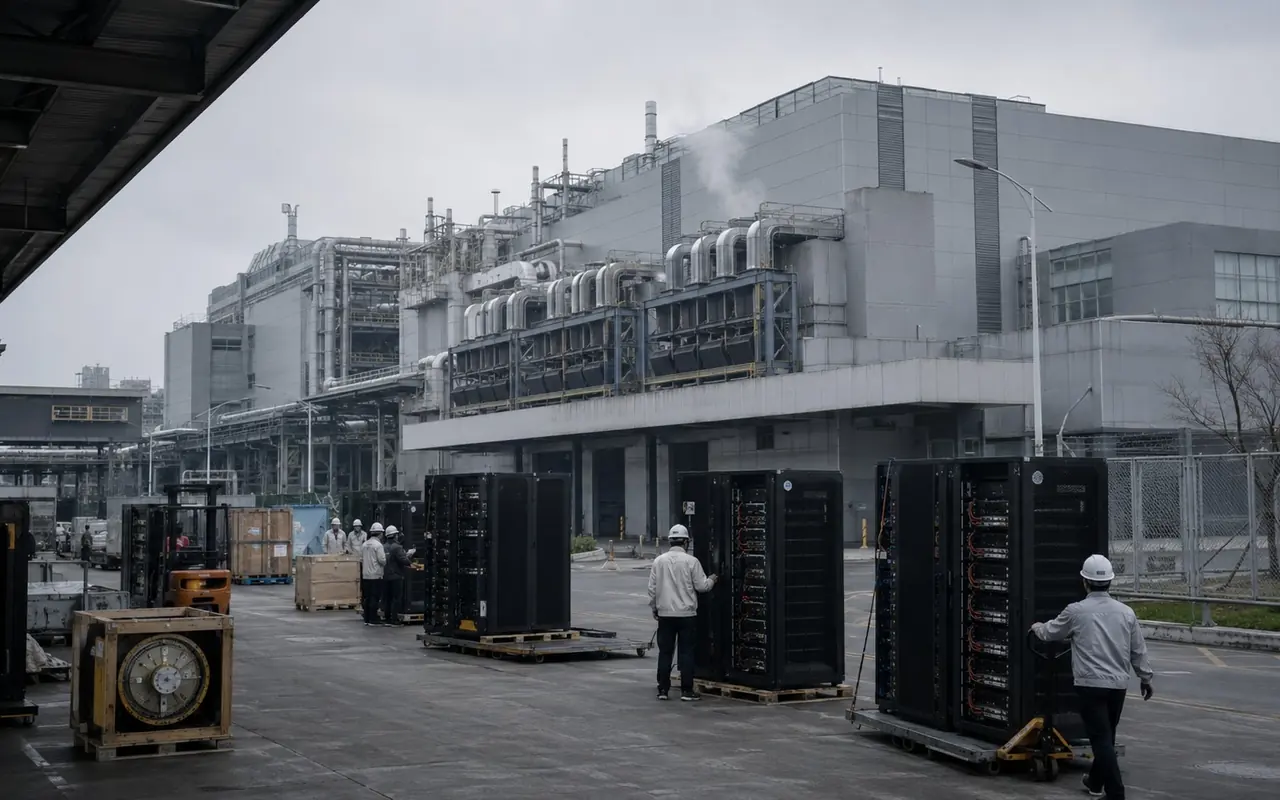
How Far Has China's Chips Caught Up? Ascend, SMIC, and the Thickness of the Silicon Shield
In September 2025, Huawei laid out a chip roadmap stretching to 2028 — not the posture of a chaser, but the manifesto of someone building a parallel system. The silicon shield's value equals Taiwan's 'technology generation gap'; to measure how thick the shield is, you first have to measure how sharp the rival's spear has become. The answer is paradoxical: 'China has caught up' and 'China is stuck' are both true at the same time. But the real plot twist of 2026 is that China has simply changed the game it's competing in — while the United States is lowering its own wall with its own hands.

The New Taiwan Dollar's Dilemma: Your Prices, Exporters' Margins, and Life Insurers' Big Hole
In May 2025, the New Taiwan dollar surged 8–10% in two days — the sharpest move in decades. A strong currency sounds like a medal for economic strength, but it lands on three places at once: exporters' margins, life insurers' more than US$700 billion in overseas assets, and the imported prices in your own wallet. More dangerous still, life insurers have cut their hedging ratio to a historic low of 50%, betting the NT dollar won't surge again. This is the side effect of being 'too successful' — and the central bank, caught in the middle, can be accused by the US of 'manipulation' the moment it acts.
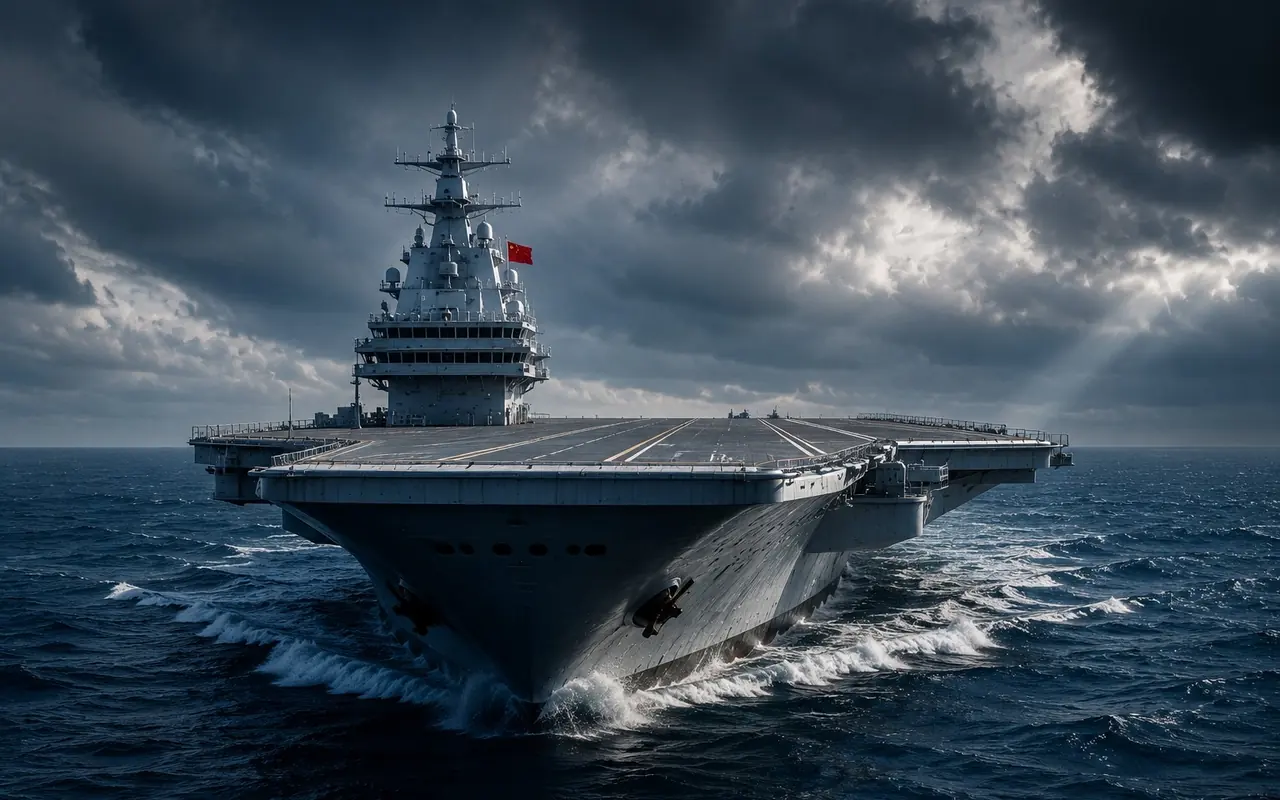
2027 Is Not a War Bell, It's a Readiness Alarm: Debunking the 'Deadline' Myth
"China will attack Taiwan in 2027" has become almost a synonym for national anxiety. But that year was never a prediction of when war will start — it is the benchmark year for when the PLA's capability to move against Taiwan is expected to be in place. In 2026 the U.S. intelligence community stated plainly that China has no fixed, unified timetable; at the same time, the carrier Fujian is estimated to reach full operational readiness this year, the Shuiqiao landing barges have appeared, and the Indo-Pacific Command chief has called the exercises encircling Taiwan a 'rehearsal for seizing Taiwan.' Capability is closing in, but intent has no timetable — both statements are true; the difference is between 'capability' and 'intent.'
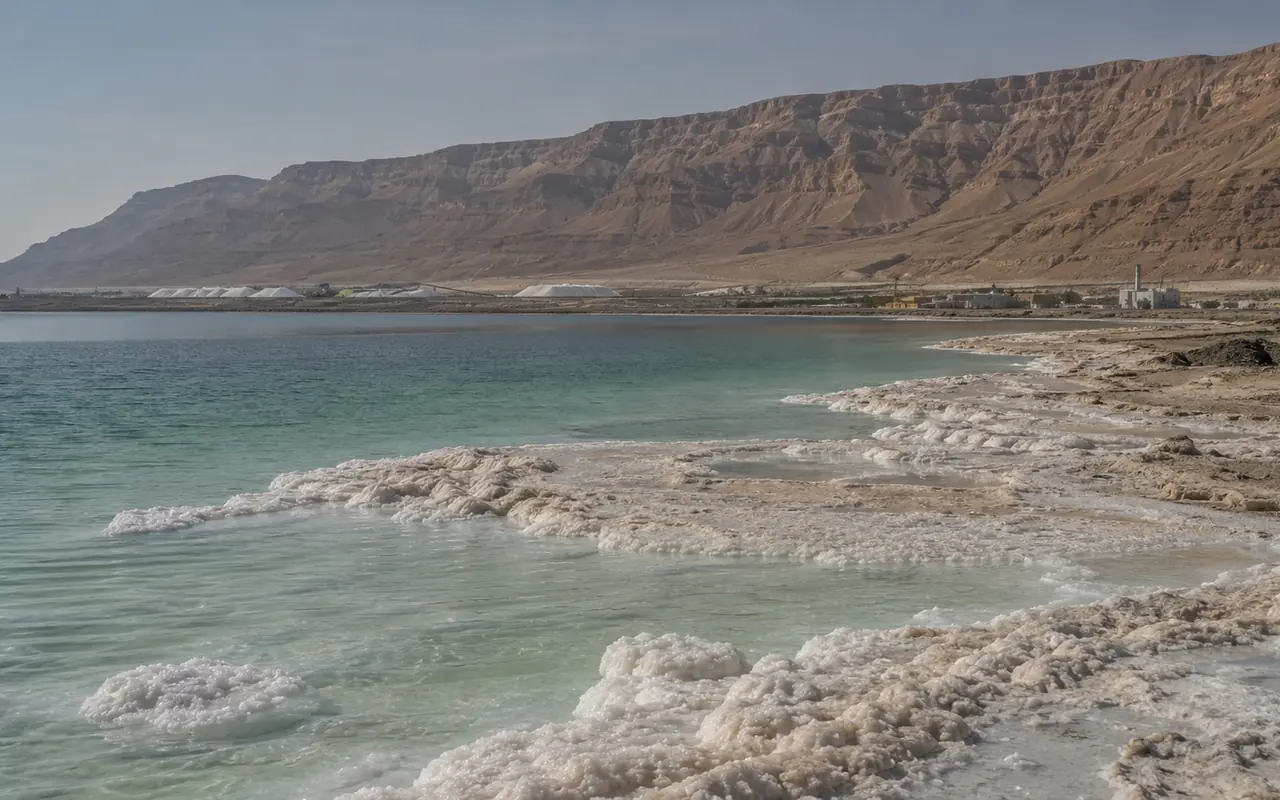
The Dead Sea and Doha: The Third Nerve Running Through Taiwan's Chips
Helium comes from Doha, bromine from the Dead Sea — two Middle Eastern gases you've never heard of, buried deep inside every chip's manufacturing process. The moment the Strait of Hormuz closed, Taiwan's fabs started rationing helium, with inventories down to several months. Beyond the electricity covered in 'Eleven Days' and the oil covered in 'Hormuz Shock, Taiwan's Other Bill,' this is the third nerve running through Taiwan's chips.
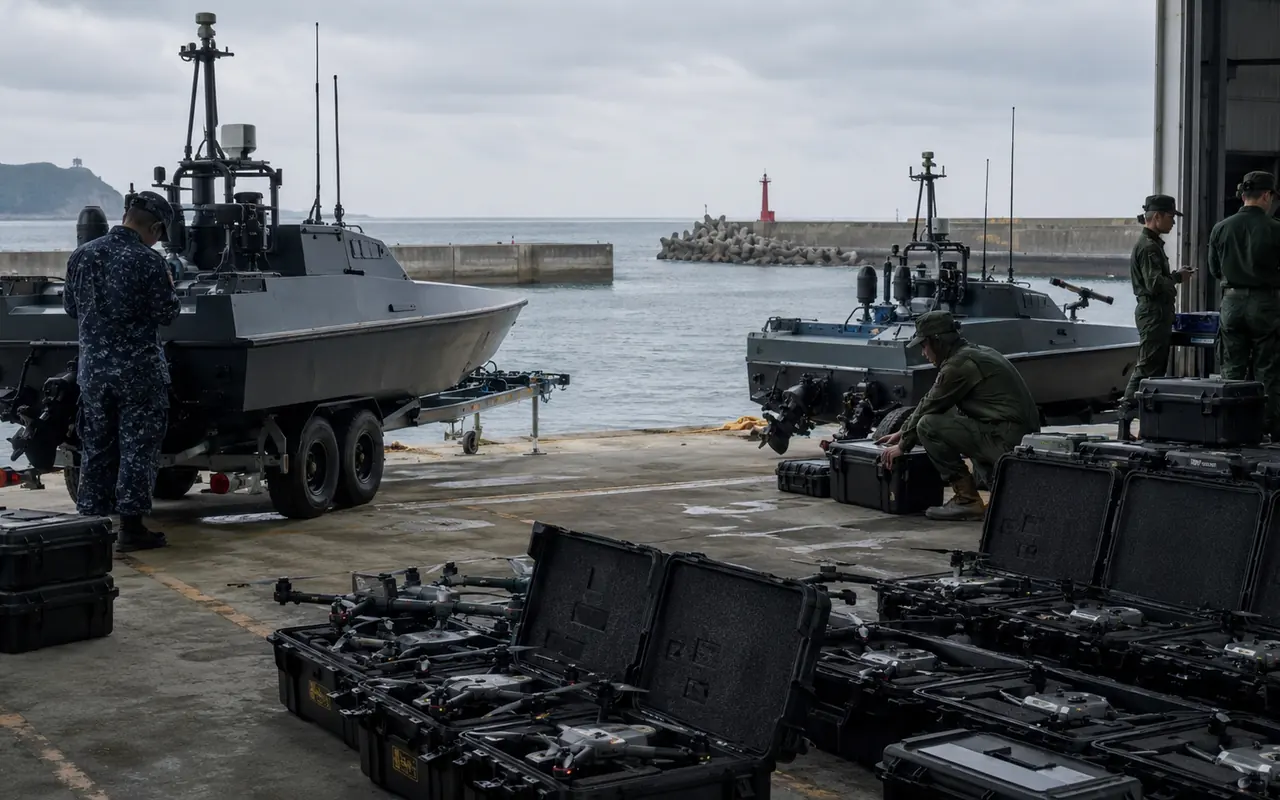
Defense Spending at 5%: Protection Money for Trump, or Deterrence Bought for Taiwan Itself?
Taiwan's defense budget is set to jump from 3.32% of GDP, as budgeted for 2026, to 5% by 2030 — the largest increase in its history; Trump has floated a figure as high as 10%. To get there, the government put forward a NT$1.25 trillion special budget to buy 200,000 drones, a thousand uncrewed vessels, and 'Taiwan's Shield.' But the Legislative Yuan has already cut that money down to NT$780 billion, a reduction of roughly 38%, with the air-defense budget discounted by about 36%. Is this astronomical sum 'protection money' or 'deterrence'? The answer lies not only in where the money goes, but in whether it can be spent at all.
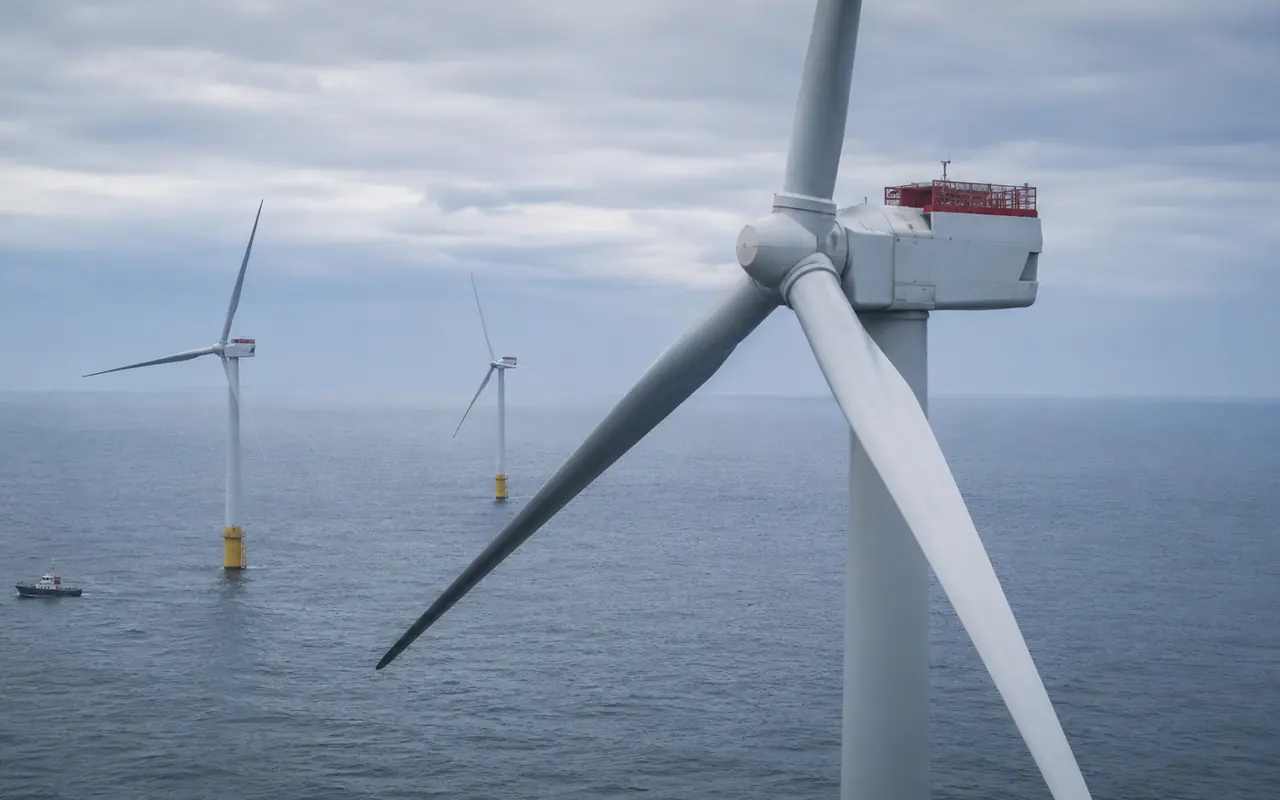
The 2025 Check Already Bounced — Can Taiwan Still Make 2030? An Energy Transition Check-Up
Taiwan originally aimed for renewables to supply 20% of generation by 2025; the full-year actual came in at 13.3%. Offshore wind capacity, meanwhile, rose from 3.587GW at the end of 2025 to 4.8GW by June 2026. The 30% generation-share target for 2030 still stands, but the government has already added installed capacity as a rolling indicator alongside it. This is not a pro-nuclear vs. anti-nuclear shouting match — it is a math problem that requires carefully separating actuals, targets, and the terms in which each is measured.
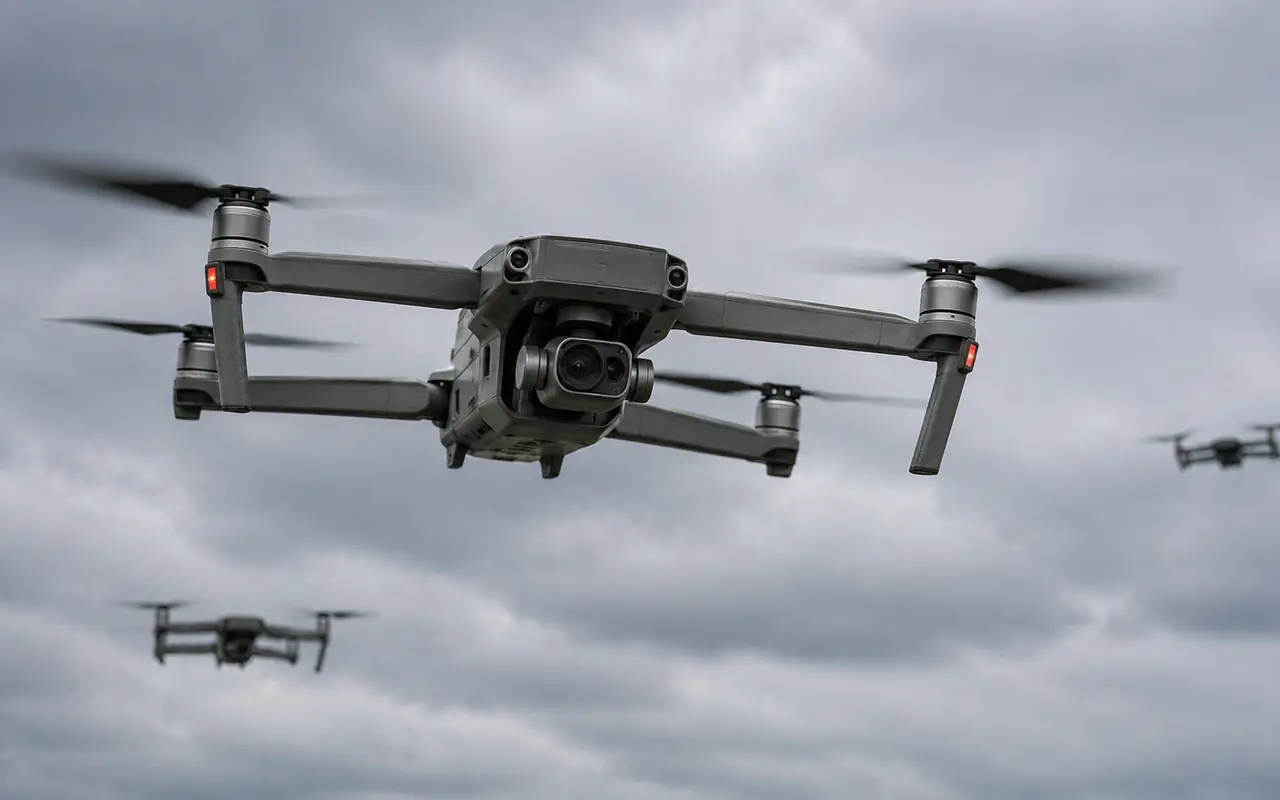
The European Warships Have Arrived — Taiwan's Real Leverage Is in Its Drones
British, French, and Italian carriers are lining up to sail into the Indo-Pacific, and China has used electronic warfare against a Dutch warship in response. But for Taiwan, these warships are mostly a 'flag-flying' exercise, not a guarantee — the leverage Taiwan can actually operate on its own is its drones, whose exports surged 749% in 2025 and topped $100 million in the first quarter of 2026, along with the irreplaceable position Taiwan holds in Europe's 'de-China' supply chain.
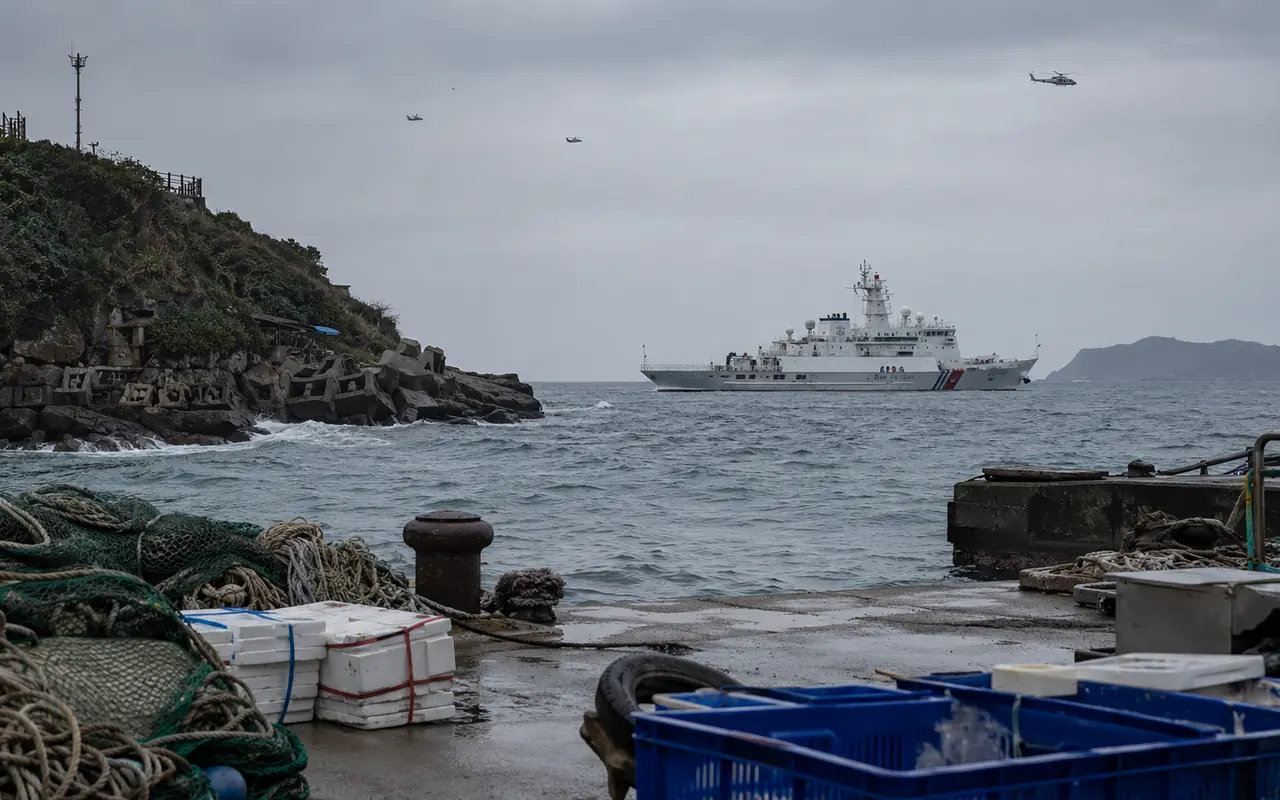
Gray Zone Full Field Guide: China's 'Salami-Slicing' Against Taiwan — No Single Cut Reaches War, but Together They Bleed It Dry
Chinese military aircraft and ships harass Taiwan almost daily — more than 4,000 sorties into the ADIZ in just the first nine months of 2025. Coast guard vessels 'enforce the law' around Kinmen and Matsu, undersea cables keep 'accidentally' snapping, farm and fishery products get banned, and disinformation floods social media. Looked at one at a time, none of it crosses the threshold of war, so Taiwan keeps telling itself to 'bear with it.' But laid out on one map, they reveal the same strategy: salami-slicing and boiling the frog. The goal isn't to invade Taiwan on some given day — it's to wear Taiwan down until it surrenders without a fight.
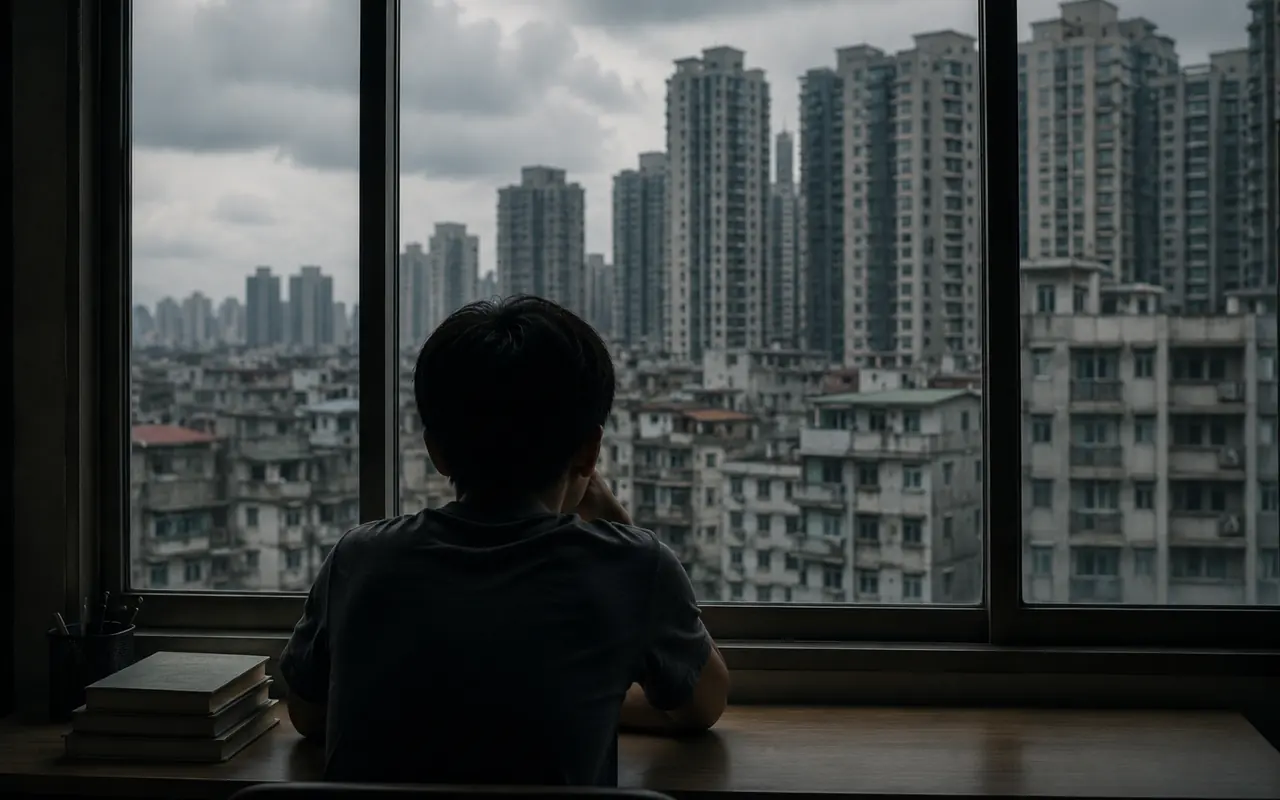
The Unaffordable Island: How Sky-High Housing Prices Are Quietly Hollowing Out Taiwan's Next Generation
Taipei's price-to-income ratio is roughly 15 to 16 — you'd have to save every dollar of your income for more than fifteen straight years, without eating or paying rent, just to buy a home. What's truly strange is that Taiwan's population is shrinking and more than 900,000 homes sit vacant, yet prices keep climbing. The problem was never 'not enough housing' — it's 'housing being hoarded.' When the tax on holding an empty home costs just 0.1% a year, sitting on it and waiting for it to appreciate becomes the best deal on the island. This is Taiwan's national-security crisis that doesn't look like one.
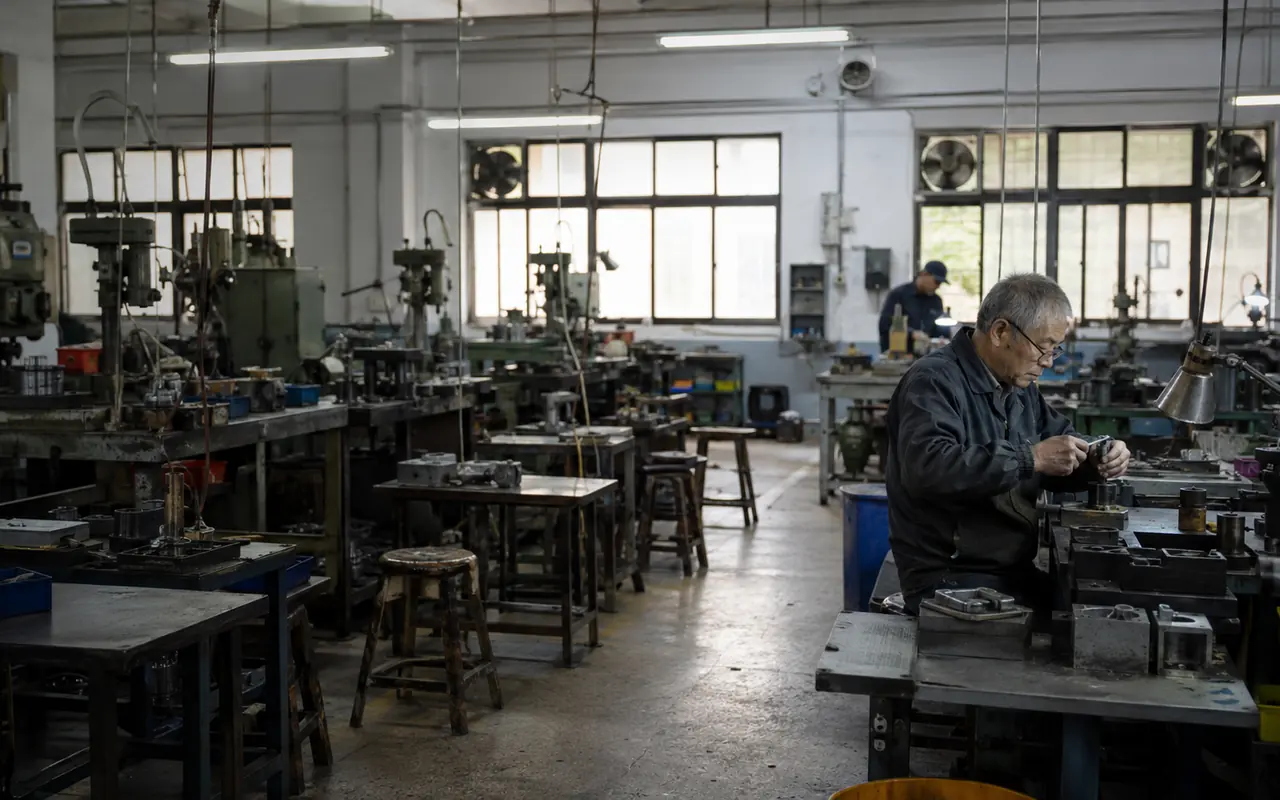
A 400,000–480,000-Worker Shortage by 2030: Taiwan's Bill for the Birth-Rate Decline — How Will It Be Paid?
Taiwan's birth rate of 1.07 is the lowest in the world, its population has declined for 16 straight months, and the National Development Council estimates a labor shortage of about 400,000–480,000 by 2030. But what's truly frightening isn't 'aging' — it's 'aging too fast.' Taiwan took just 7 years to go from an aged society to a super-aged one; Japan took 11, Germany took 36. Opening the door to migrant workers, pushing automation, and coaxing older workers back into the workforce — each of the three fixes has its own ceiling. And the biggest goldmine of labor has been sitting there all along, in the older workers we never invited back to work.
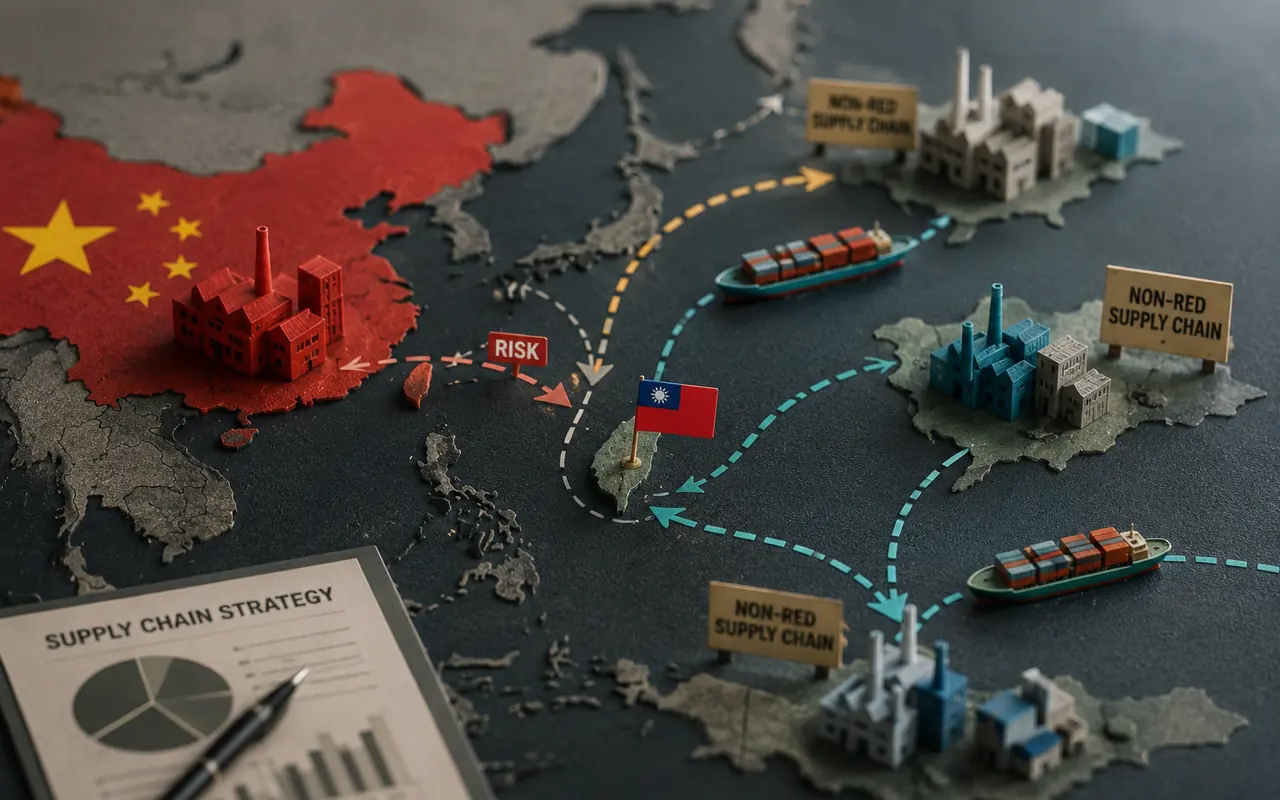
The Three-Layer Dividend of De-Risking from China: How Much Can Taiwan Actually Capture, and Who Might Route Around It?
De-risking offers Taiwan three kinds of opportunity: advanced manufacturing, emerging trusted supply chains, and China+1 orders. But moving assembly does not replace every upstream source, and overseas expansion changes who benefits. Suppliers need to identify the specific customer requirement that makes their contribution valuable.
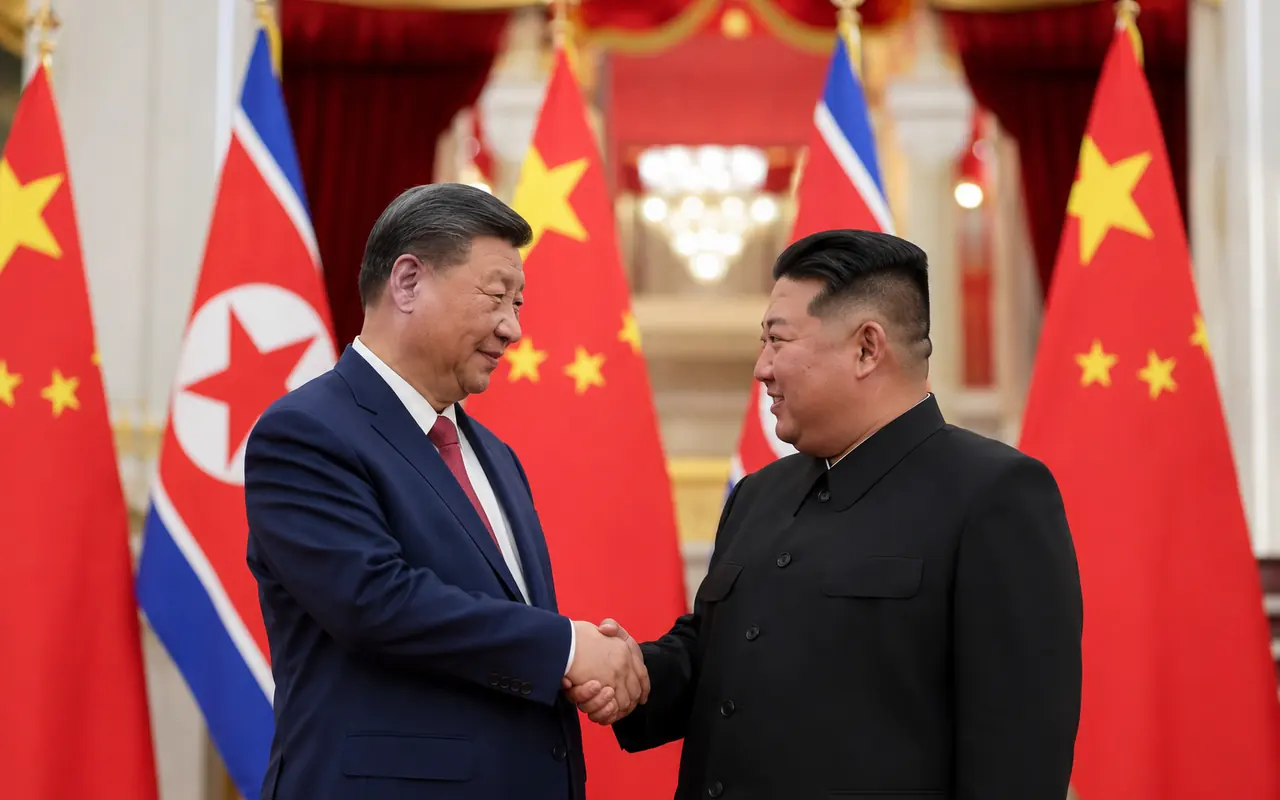
The Stone Xi Jinping Placed in Pyongyang: What His Silence on Denuclearization Means for Taiwan
Met Trump in May, met Putin in May, met Kim Jong Un in June. Xi Jinping's first visit to Pyongyang in seven years never mentioned denuclearization — and that silence says more than any statement could. For Taiwan, the real danger isn't a three-way alliance; it's how many places the United States can actually be, when three fronts catch fire at once.
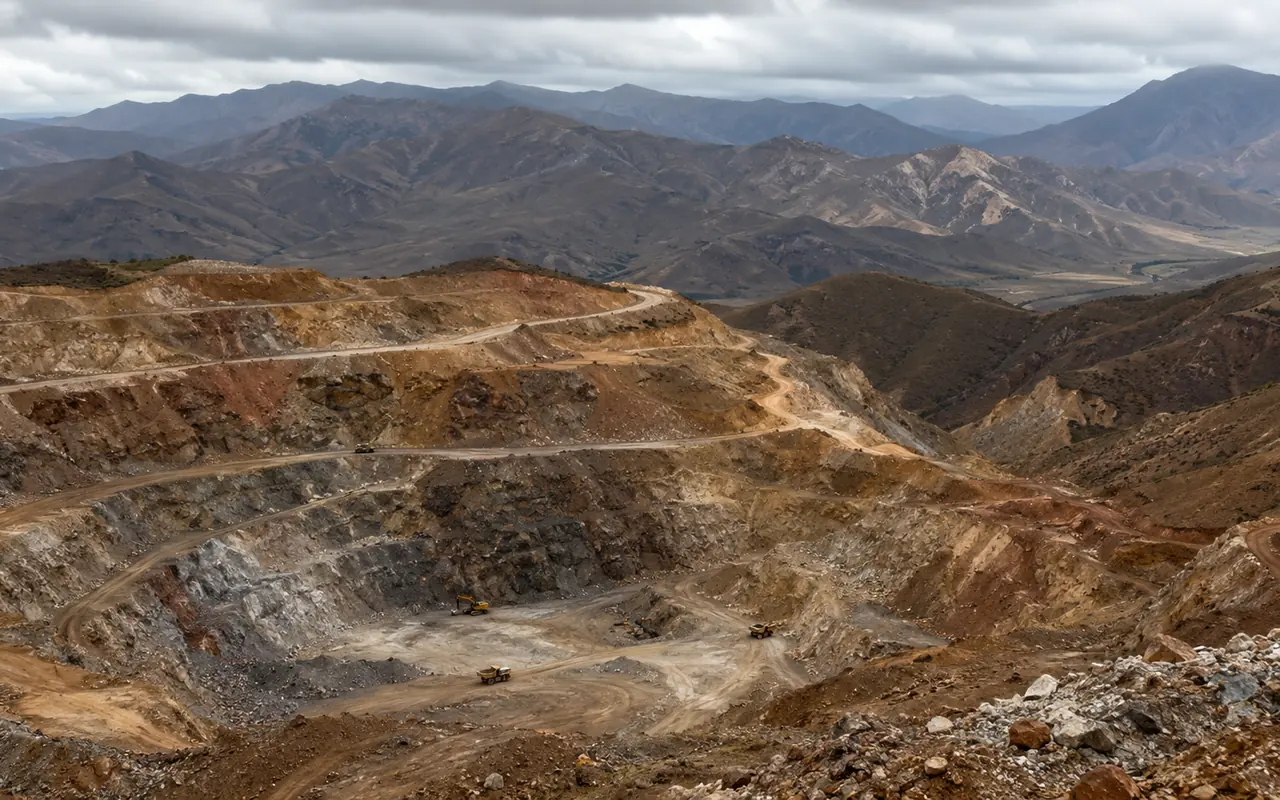
How Far Is Rare Earths' Break From China? The Progress and the Gaps in Alternative Supply Chains
'The Rare-Earth Chokehold' tallied the cards Beijing was holding: about 60% of mining and 90% of refining. A year on, we check the progress on alternatives: the hardest segment, heavy rare earths, has seen its first commercial-scale production outside China, and the U.S. simply made its own defense department the buyer. At the same time, China expanded controls from 7 categories to 12, rolled out an extraterritorial rule that '0.1% Chinese content triggers restriction,' and in June blacklisted 10 U.S. firms including MP. Something is genuinely moving, but it isn't there yet — what does that mean for Taiwan, which mines no rare earths but cannot do without magnets?
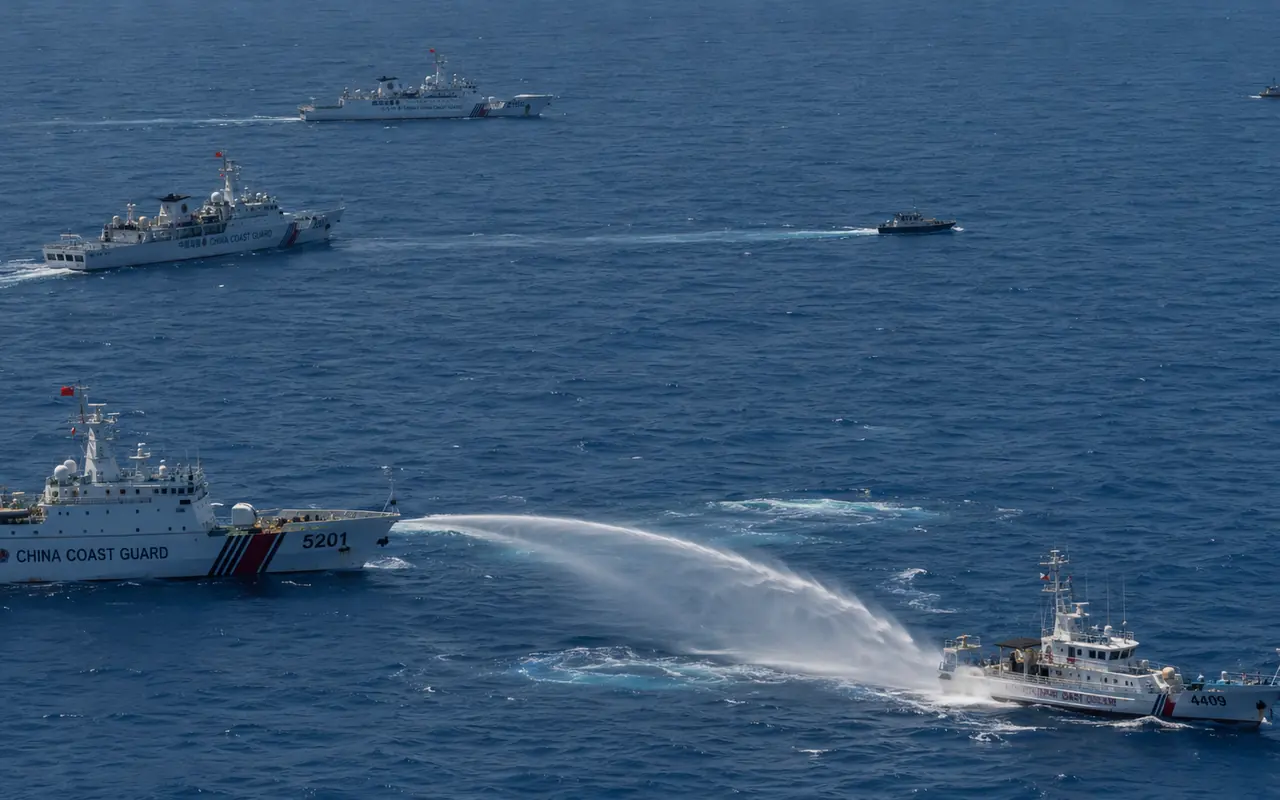
Rehearsal at Scarborough Shoal: The Philippines Is Practicing China's Gray-Zone Playbook for Taiwan
China placed a manned structure at Scarborough Shoal, sent four warships to encircle a Philippine frigate, and then quietly withdrew the structure two weeks later. Taiwan also claims this reef — and when Beijing rehearses its script of 'plant a structure, encircle, claim to have driven the intruder off' here, the Philippines is the first test subject. Watching from the audience, does Taiwan see a list of moves, or its own tomorrow?
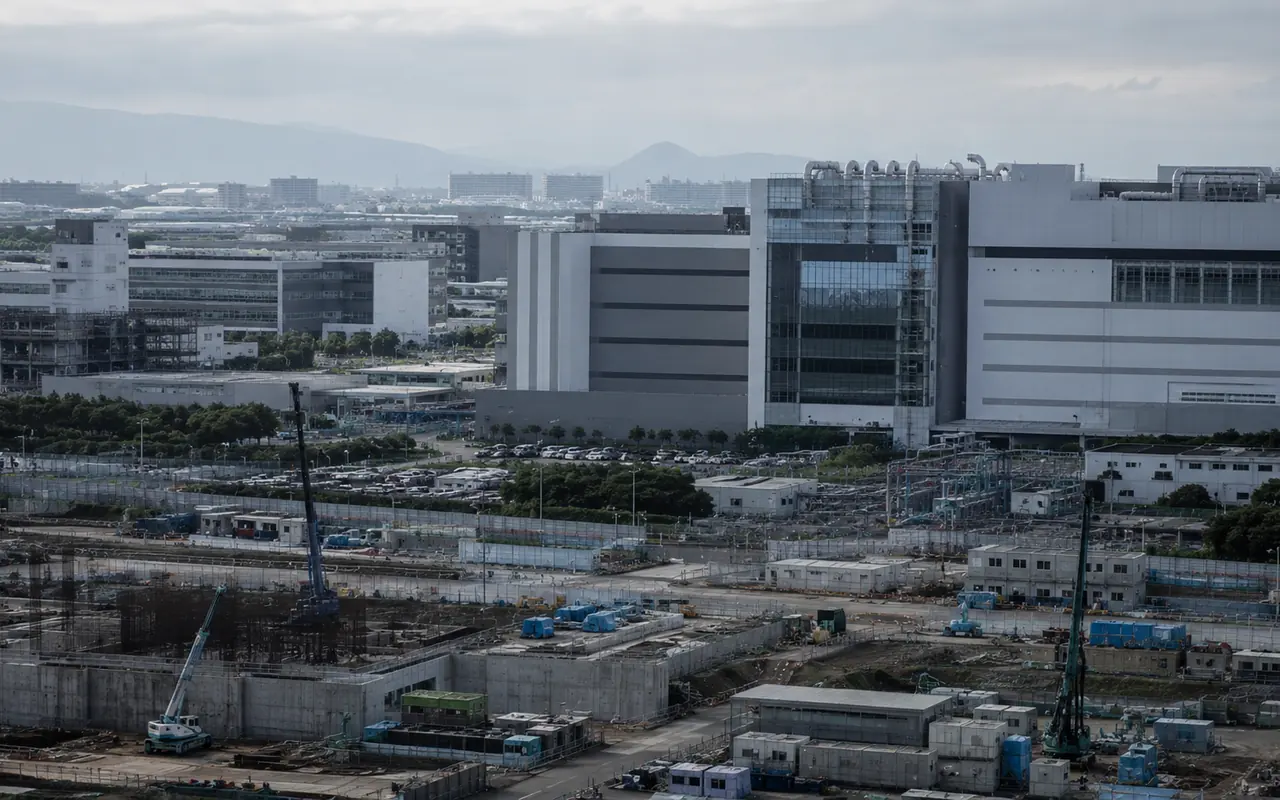
Silicon Shield in Depth
After the US-Taiwan $250 billion chip deal, Arizona is building fabs while Taiwan may be simultaneously building as many as 10 new ones on the island — is the sacred mountain doubling down, or being diluted? The real answer about the silicon shield is more subtle than either side admits: it isn't fading — it's growing into a new shape.
Taiwan's 15% Tariff: A Locked-In Warranty, or a Contract That Could Be Revised Any Time?
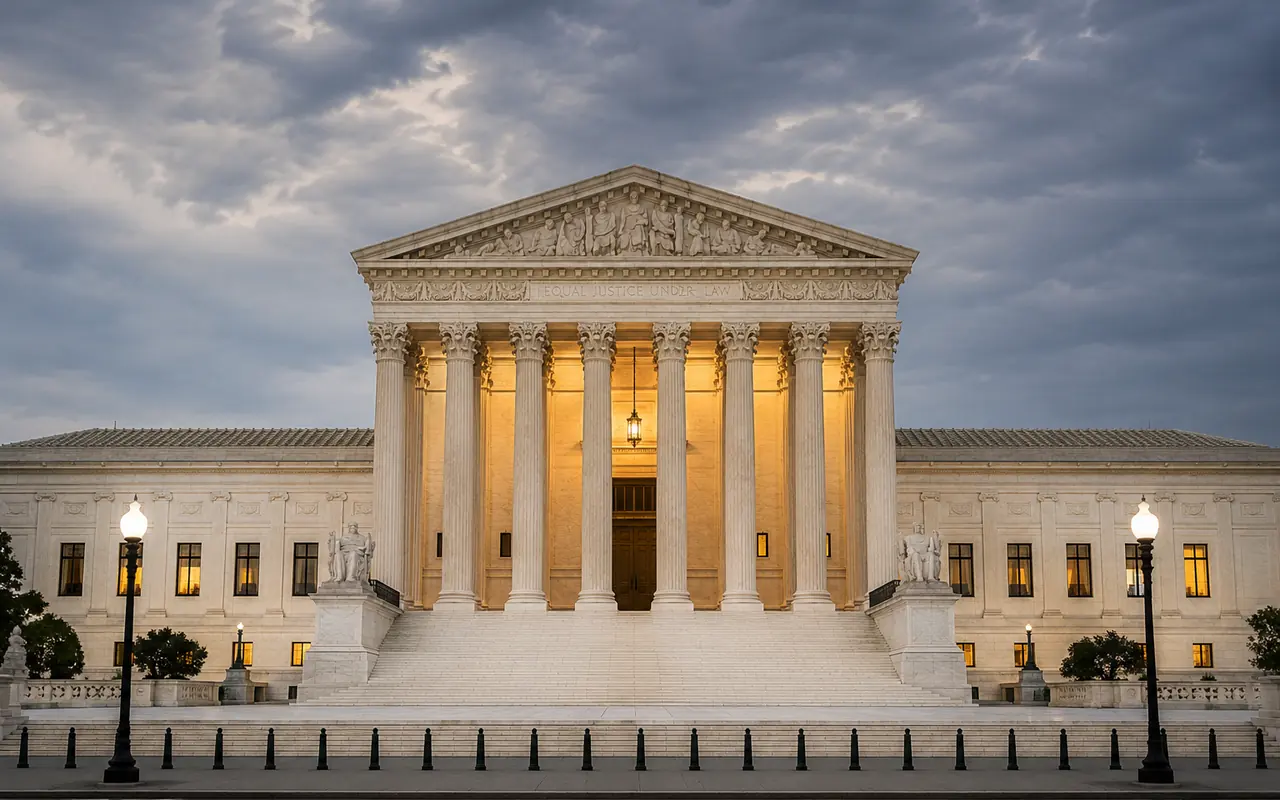
Taiwan traded US$250 billion in investment pledges in the U.S. for 'certainty' on a 15% tariff to the U.S., plus exemptions on 2,072 products and an average tariff — for products with an actual U.S. export track record — down to about 12.33%. But three things that happened in the first half of 2026 put a question mark over that 'certainty': the agreement still hasn't formally taken effect, the U.S. Supreme Court struck down the legal basis for the IEEPA tariffs, and the U.S. and China are renegotiating again. What did Taiwan actually buy — a warranty that's locked in, or a contract that could be revised at any time?
Protect Taiwan or Abandon It? Trump Turns Strategic Ambiguity Into a Transaction
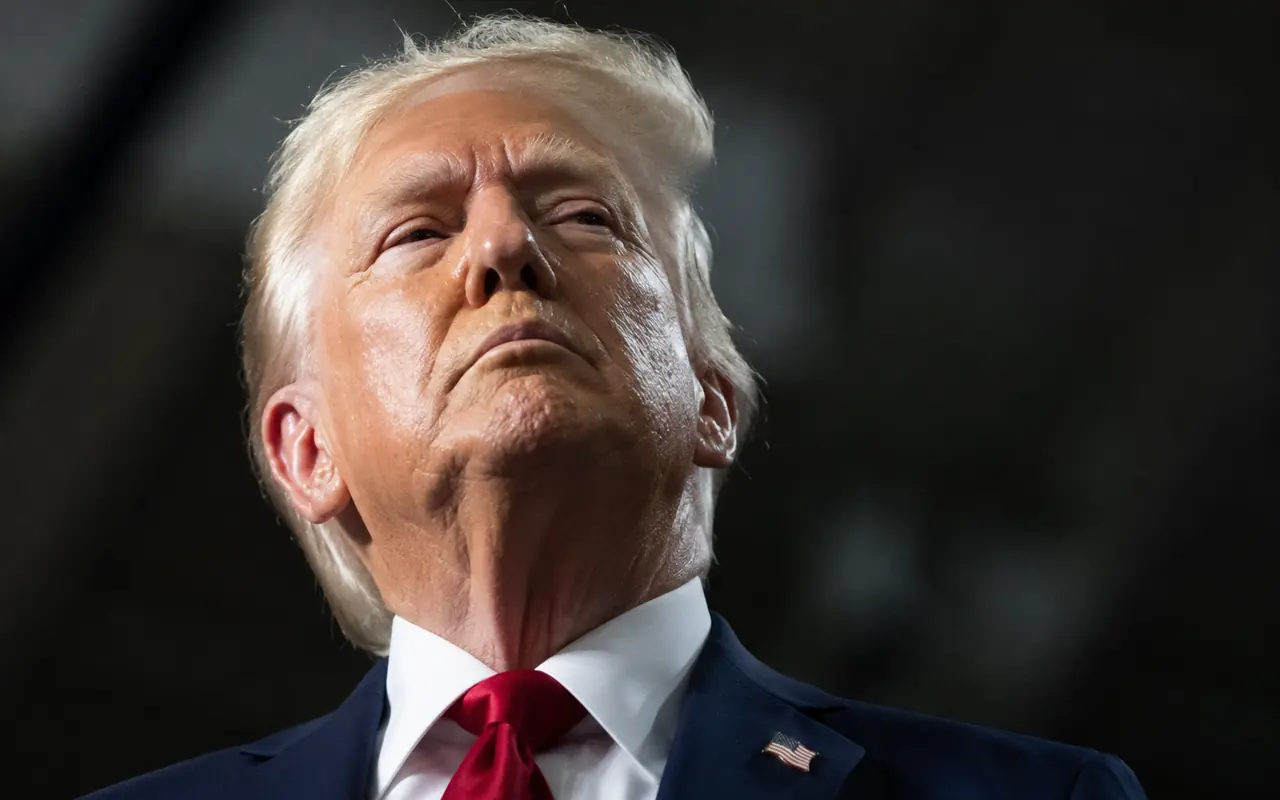
In May 2026, after the Trump-Xi summit, the United States 'paused' a $14 billion arms sale package to Taiwan — and Trump publicly called it a 'bargaining chip.' Will he protect Taiwan? That question itself is the wrong one. He has upgraded America's traditional 'strategic ambiguity' into 'transactional ambiguity': whether — and how much — Taiwan gets protected depends on the leverage Taiwan holds. He approves arms sales with one hand and pauses them with the other, while pushing Taiwan's defense spending toward 10% of GDP. For Taiwan, this is neither betrayal nor guarantee.
Cut One Line, Lose the Network for 50 Days: Taiwan's Invisible Information Lifeline
More than 90% of the world's intercontinental data moves through a handful of undersea cables — and Taiwan's own connections to the outside world rely just as completely on this same small number of cables. Matsu's cables have been cut more than twenty times in five years; in 2023, two trunk cables were severed at once and residents lost their connection for more than 50 days; in April 2026 a cable was cut for a third time. Is this fishing-boat anchors dragging by accident, or a gray-zone tactic of Chinese 'battlefield pre-positioning'? The real question is not whether it was China's doing — it is whether Taiwan can make sure that even when a line is cut, it still isn't cut off, and isn't thrown into chaos by rumor.
Doubting America Is Not the Same as Surrendering: The Two Faces of Taiwan's Youth, and a Dangerous Cycle
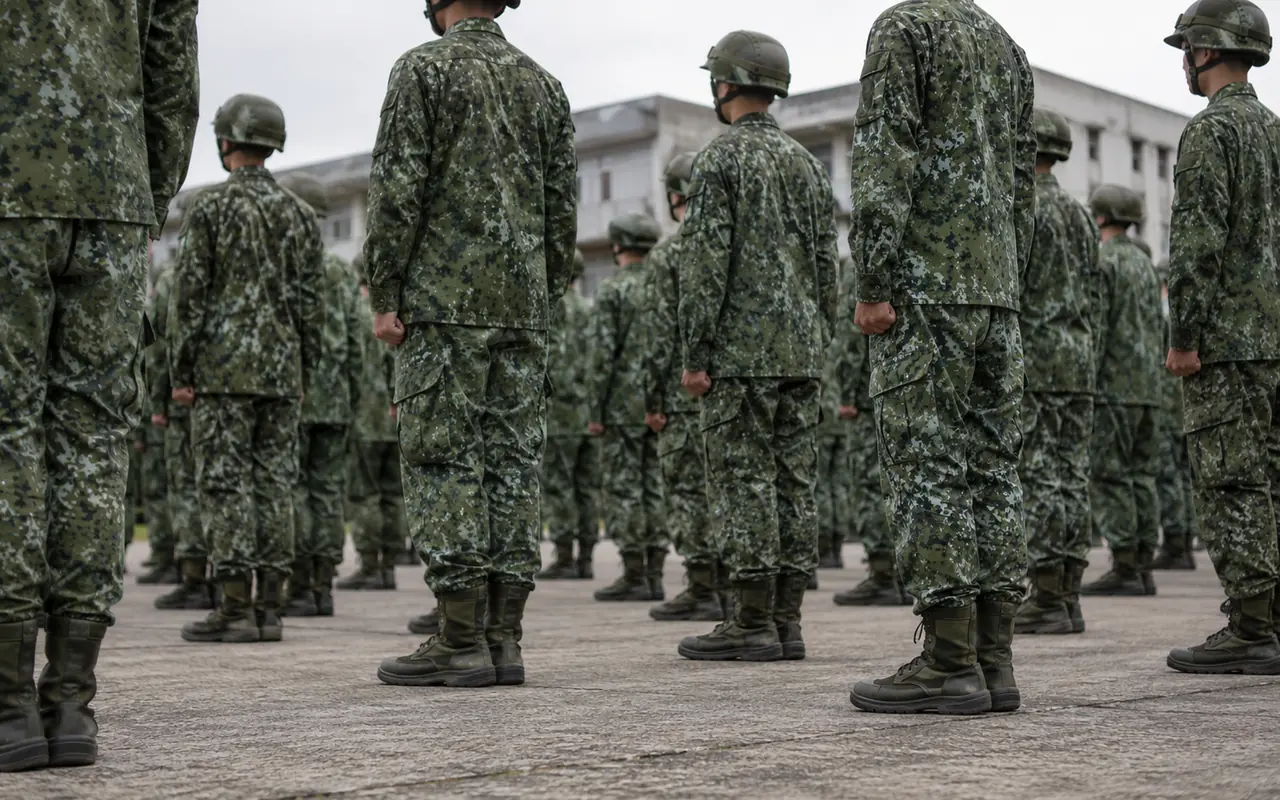
Negative views of the United States jumped from 24% to 40% within a single year; nearly six in ten Taiwanese don't believe the U.S. would send troops. But this isn't defeatism — the same all-ages poll shows that 67% of Taiwanese people fear losing their current way of life, and six in ten say Taiwan should proactively negotiate with China to secure favorable terms, rather than passively waiting. Doubting America and resisting China actually coexist. The real danger isn't this attitude itself, but the cycle it could trigger: doubting America → declining will to fight → declining deterrence → a widening window of opportunity for China.
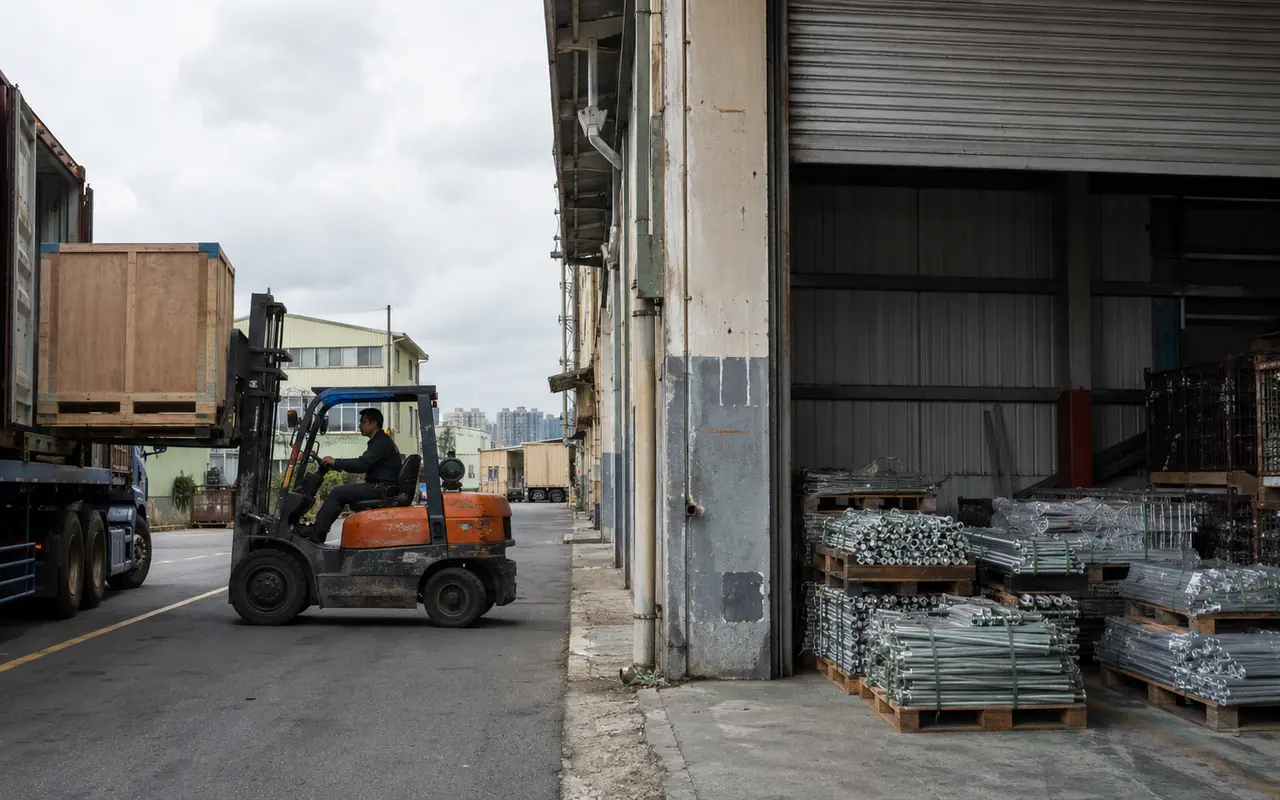
After the 15% Tariff: Where Taiwan's Traditional Industries Split Between Survival and Sinking
The Taiwan-U.S. tariff talks landed at 15% — but some industries are still locked at 50%. What actually decides your fate isn't the headline number. It's your product's HS code.
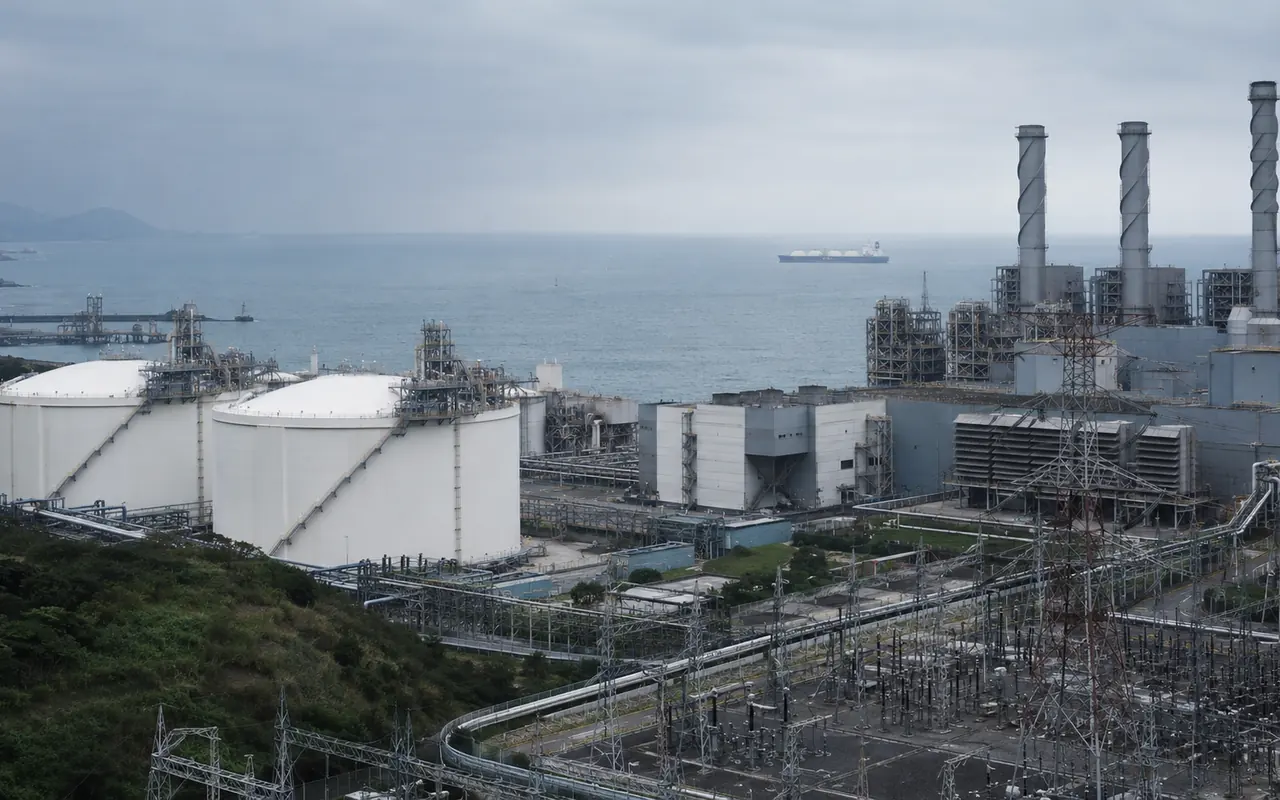
Eleven Days: The Natural-Gas Buffer at the Center of Taiwan's Power Account
The natural gas that supported 47.7% of generation in 2025 has a safety stock of only about 11 days. With semiconductor- and AI-related industries expanding and nuclear power's share down to 1.1% — this is Taiwan's most fragile power account, laid out in full.
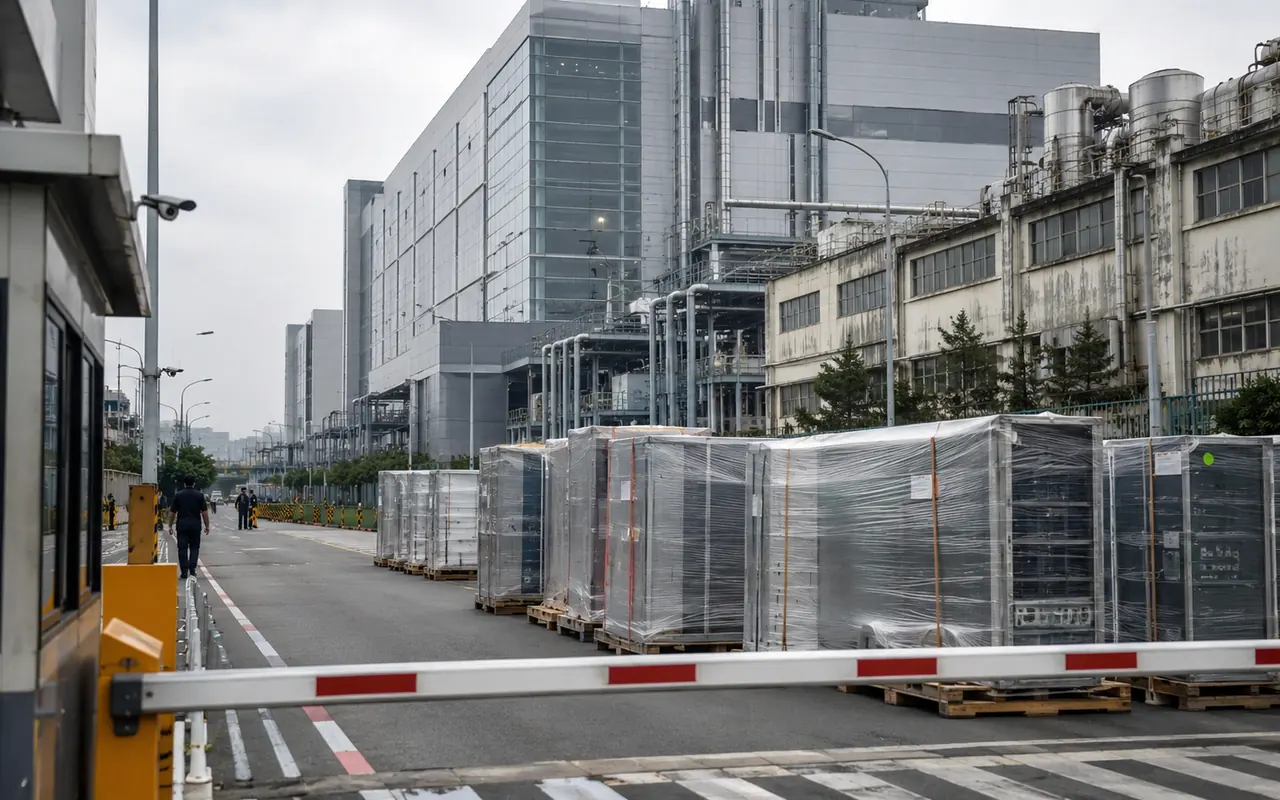
The Chip Chokehold
Washington has tightened the valve on AI chips to China again, and the market's first instinct is 'America squeezes China, orders shift to Taiwan, Taiwanese firms cash in.' But lay Taiwan's semiconductor industry flat, and it's actually standing on both ends of the scale at once: advanced-process makers get lifted higher and richer by the controls, while mature-process makers get eaten away by Chinese domestic substitution and price wars. The same blade, cutting different floors of the same industry, produces opposite results. And what actually decides the long-term outcome is a timeline that hasn't happened yet.
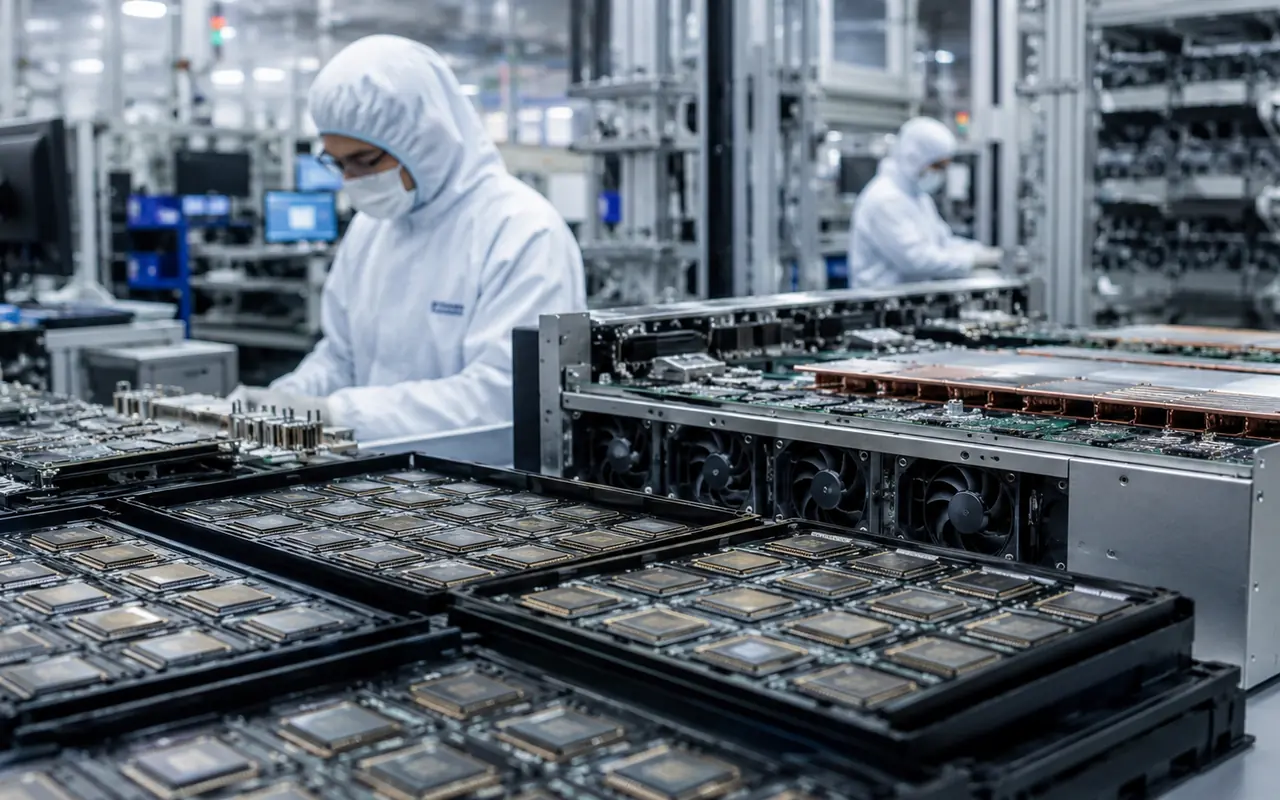
The Frontier Is Not the Finish
China's frontier AI trails the U.S. by only about seven months — and in coding, the gap is almost closed. But the real battlefield isn't the model, it's chips and money: over 90% of the world's most advanced logic-process capacity is concentrated in Taiwan, channeling trillion-dollar AI capital toward this island. How should Taiwan catch it?
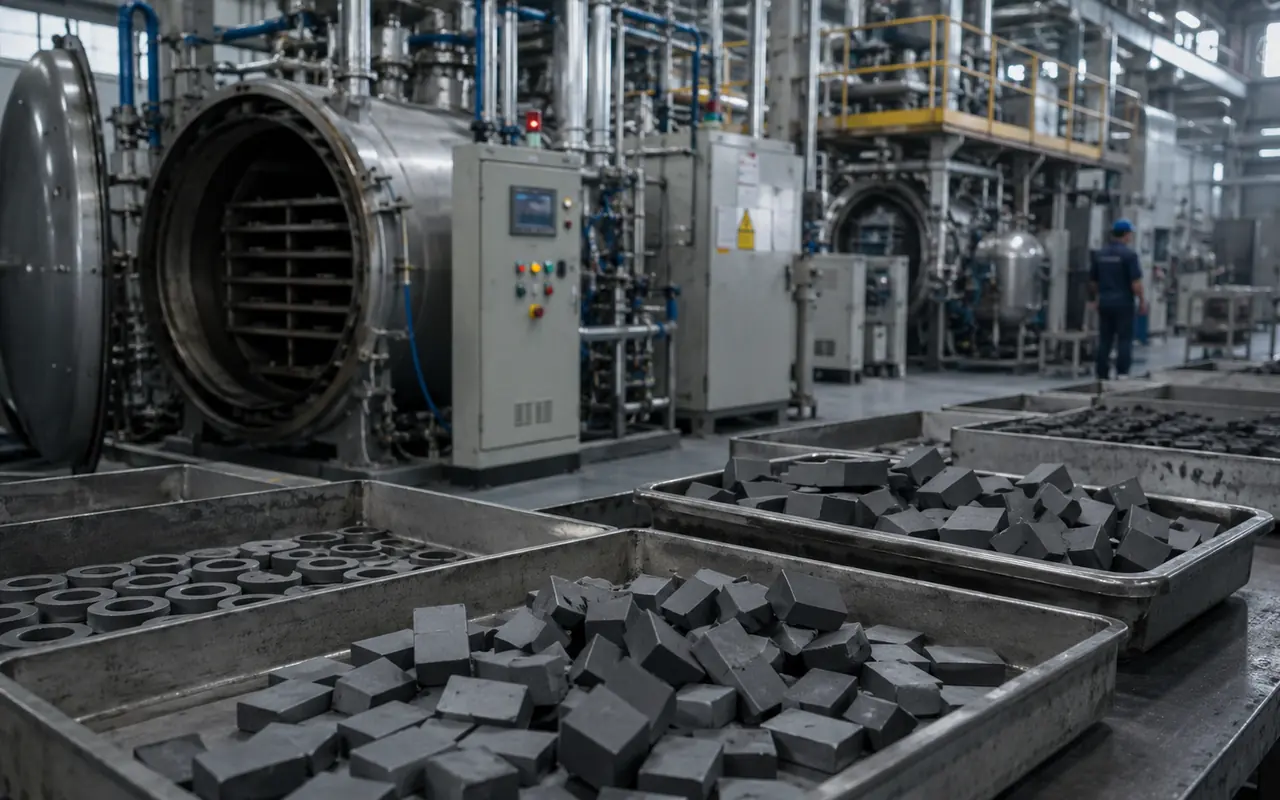
The Rare-Earth Chokehold
America squeezed China's chips; China squeezed the world's rare earths. Case-by-case licensing now reaches Taiwan's jugular.
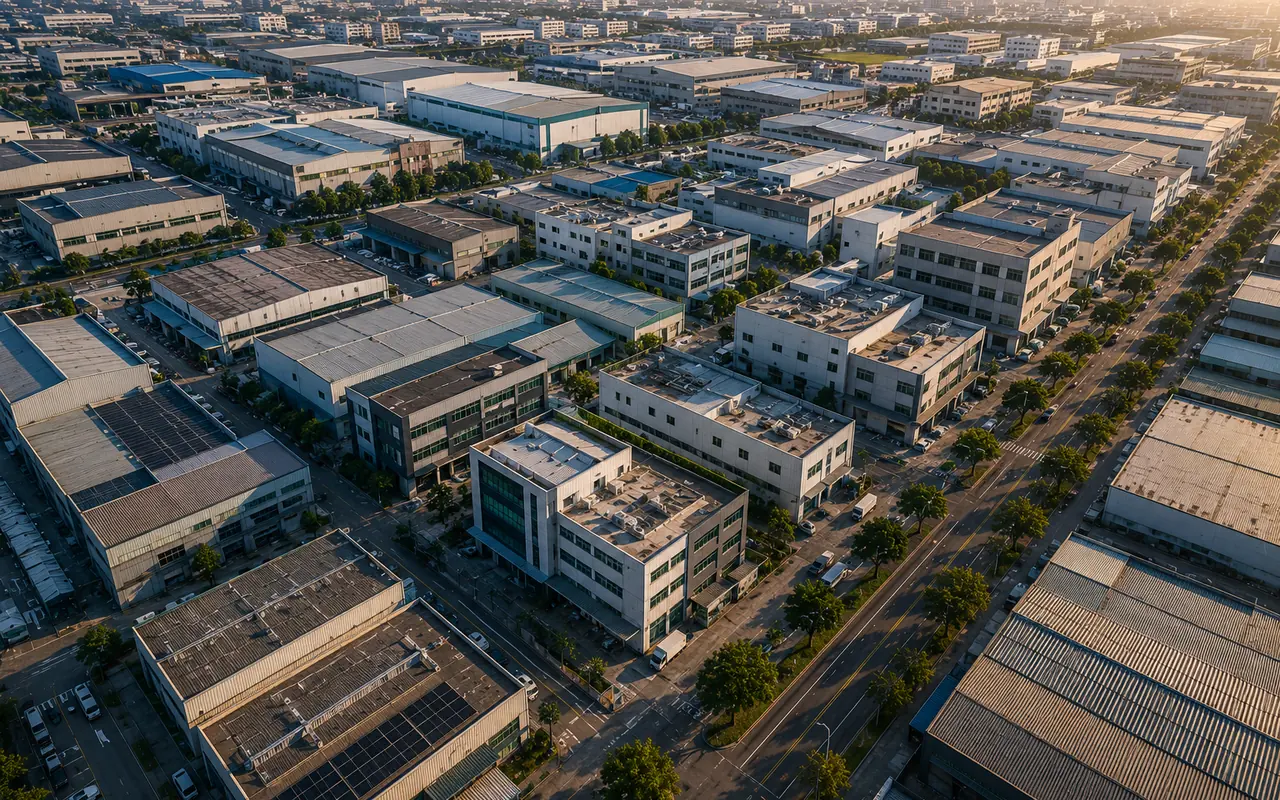
Taiwan's 1.71 Million SMEs Face Their Midterm Exam
AI, labor shortages and electricity prices are hitting all at once. Whether Taiwan's 1.71 million SMEs — the "second half" of the economy that the sacred mountain's spotlight never reaches — can successfully transform will decide the country's foundation.
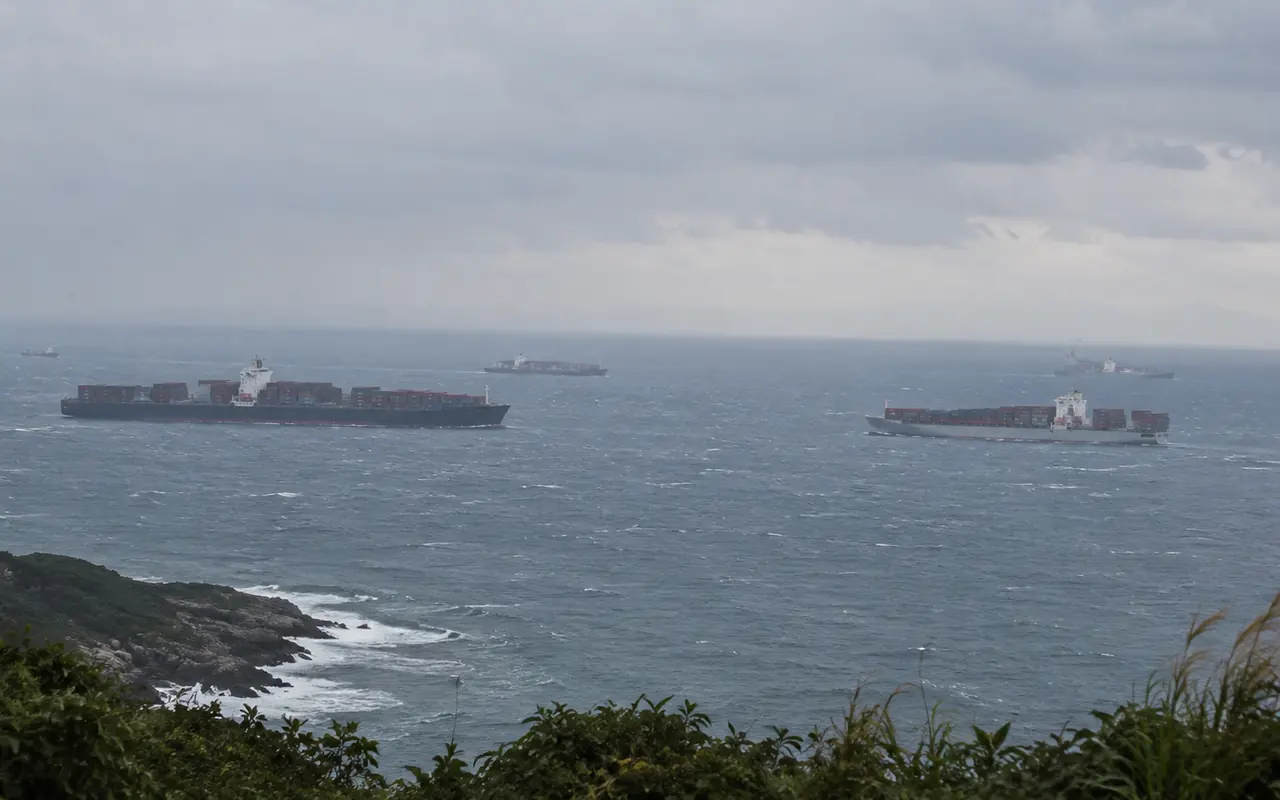
The Taiwan Strait's Ten-Trillion-Dollar Fault Line
A Taiwan Strait conflict could wipe out ten trillion dollars from the global economy and erase 10% of world GDP — a bigger hit than the Russia-Ukraine war, the pandemic, or the 2008 financial crisis each caused on their own. For Taiwan, this number isn't a scare tactic — it's a chip for deterrence, and a risk that has to be managed with a cool head.