
Taiwan Geoeconomics
All Articles · 18A tariff can change an order; a technology restriction can reshape a supply chain. We follow these connections from shifts in global power to the choices facing Taiwan's businesses.
Start with supply chains and business decisions
When orders move, which parts of the value chain can Taiwan retain?
The Three-Layer Dividend of De-Risking from China: How Much Can Taiwan Actually Capture, and Who Might Route Around It? →How long would your business need to recover from an interrupted order?
Safety Isn't Moving Everything Back to Taiwan: Real Resilience Is How Fast You Recover After Something Breaks →Why do businesses need financing support even when exports grow?
Taiwan’s NT$46 Billion Support Program: Why Businesses Still Need Financing When Exports Grow →
Latest geopolitical economy reports

Taiwan's Two Faces
The whole world depends on Taiwan's chips — and is quietly preparing for the day it might lose them. The same island is both the heart of the supply chain and a geopolitical powder keg. How can Taiwan's companies turn "irreplaceable" into an advantage that lasts?
Japan Takes Economic Security Overseas: Can OESA Bring Taiwan's Supply Chains Into State-Level Financing?
Japan has created OESA, extending policy finance to overseas projects that matter for economic security but are hard for existing tools to carry. Taiwan has an opening, but the law taking effect is not the same as Taiwan already being on the list — the real threshold lies in Japan's own interests, project design, and implementing rules that have yet to be published.
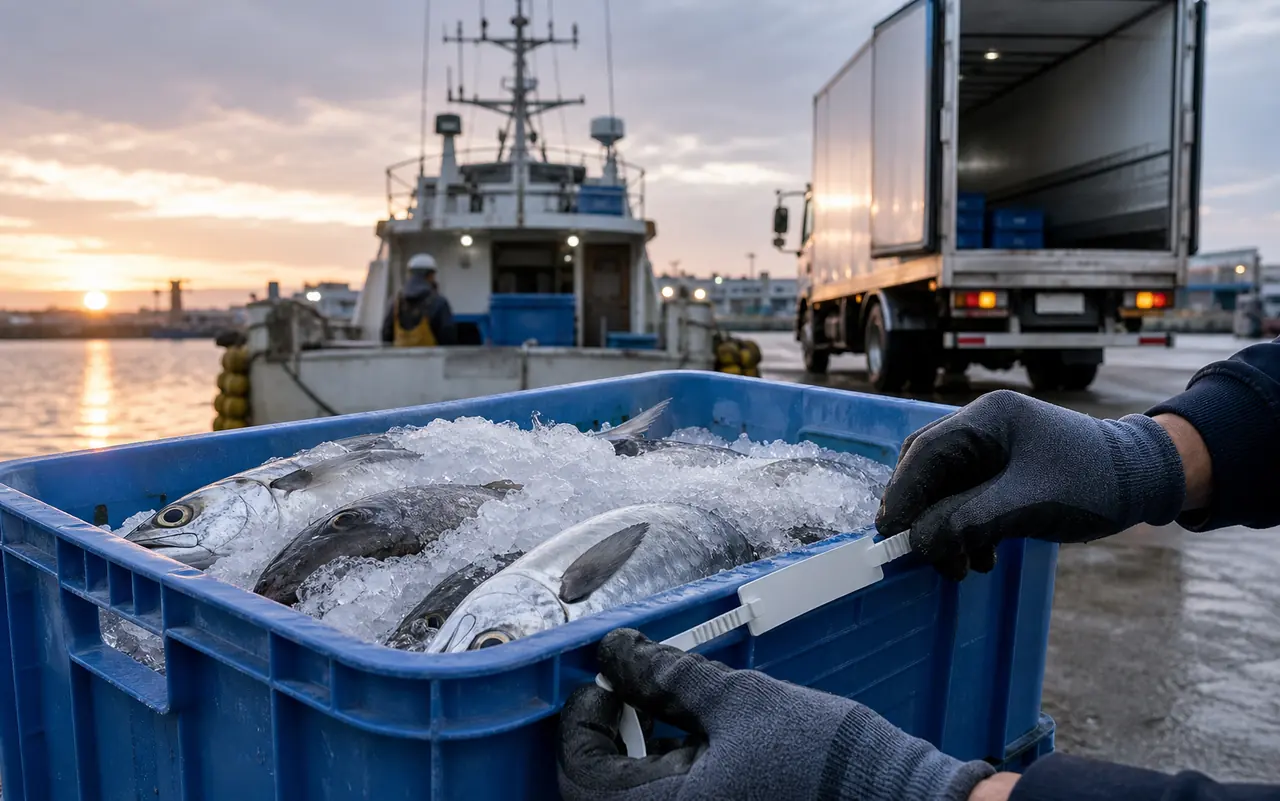
Not a September Vote: How the WTO's "Fish Week" Puts Taiwan's Distant-Water Fishing Fleet on the Transparency Exam Table
The WTO's first Fish Week is scheduled for September 21–25, but the chair has already made clear this is not a decision-making moment. What has actually already taken effect is the first-tranche prohibitions and transparency obligations; what has not yet been agreed is the rules on overcapacity and overfishing subsidies. What Taiwan needs to prepare is not a hastily assembled list of subsidies to cut, but an evidence chain that can trace every piece of support back to vessels, catch, and stock status.
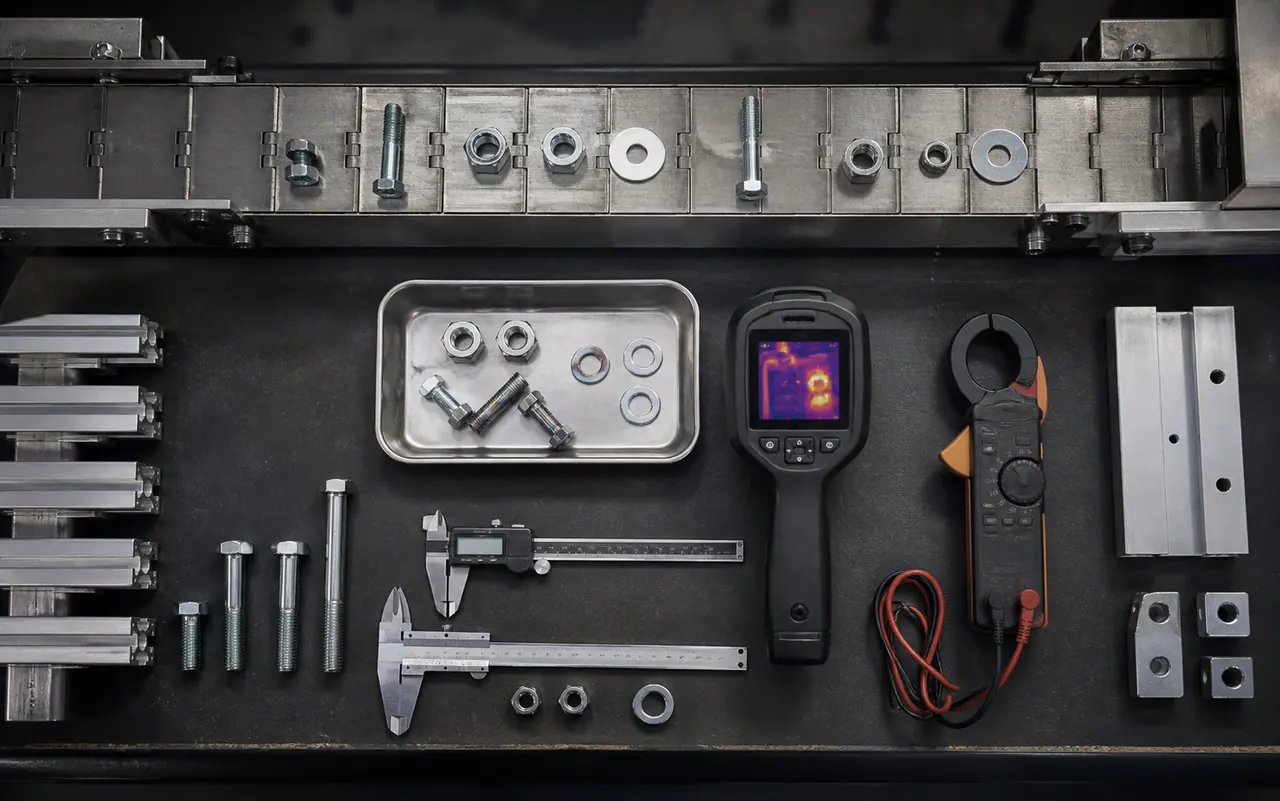
CBAM Has Arrived: How the EU's Carbon Border Tax Becomes a Hidden New Tariff on Taiwan's Steel, Aluminum, Cement and Fastener Exports
The EU's CBAM has entered its definitive period. For Taiwanese exporters, the key is not to reduce it to a flat tariff rate, but to work with EU importers to complete data on embedded emissions, carbon price already paid at origin, and declaration paperwork — only then can the real cost be judged.
Taiwan’s NT$46 Billion Support Program: Why Businesses Still Need Financing When Exports Grow
Growing exports do not remove every company’s financing, technology or market constraints. Taiwan’s support figures through August 13 show continued use of the tools; whether they work depends on subsequent orders, margins and market diversification.
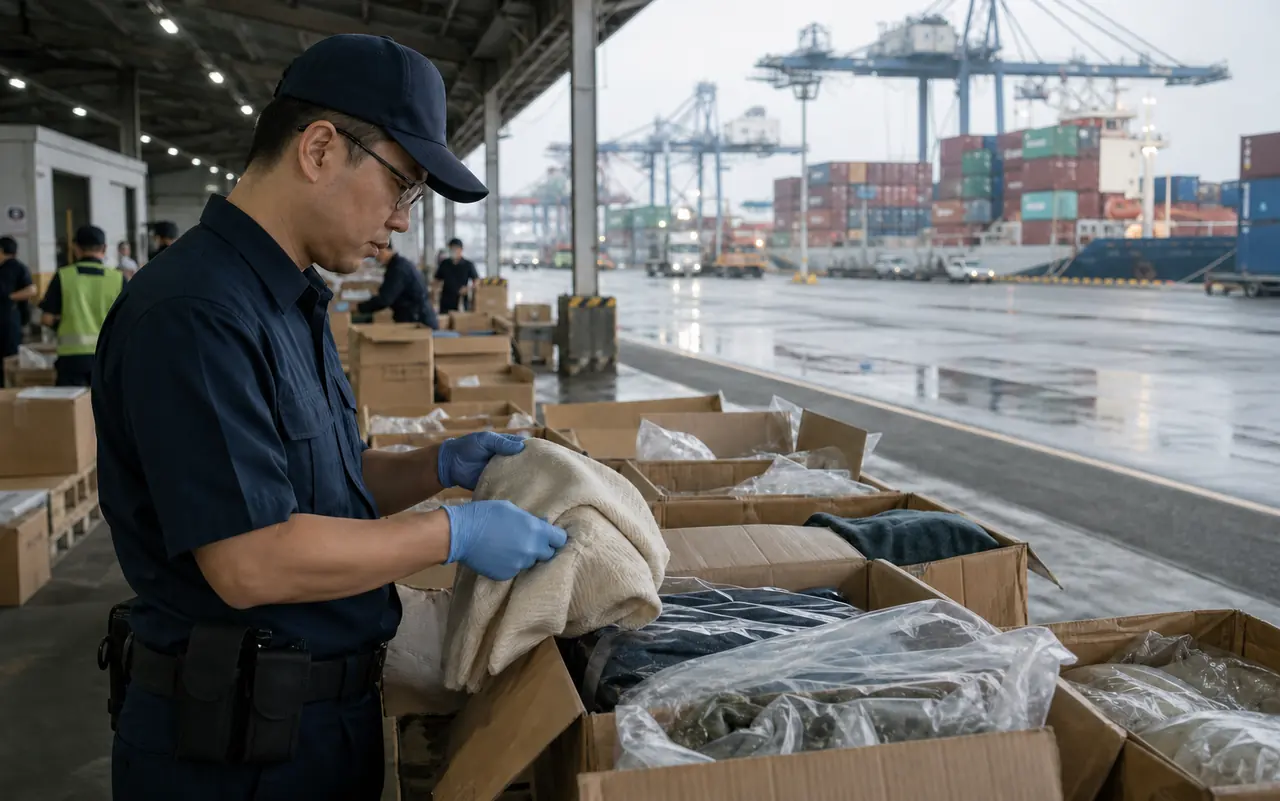
The U.S. Wields Section 301 Again: Why Does Taiwan Still Face a Proposed 10% Additional Tariff Over Its Forced-Labor Import-Ban Gap?
First, correct one key number: what the United States has proposed for Taiwan is 10%, not 12.5%, and as of July 13 it had still not taken effect. The real point of contention is not that Taiwan tolerates forced labor at home, but that its customs authorities lack a system that both bans the import of goods made overseas with forced labor and lets companies contest that determination.
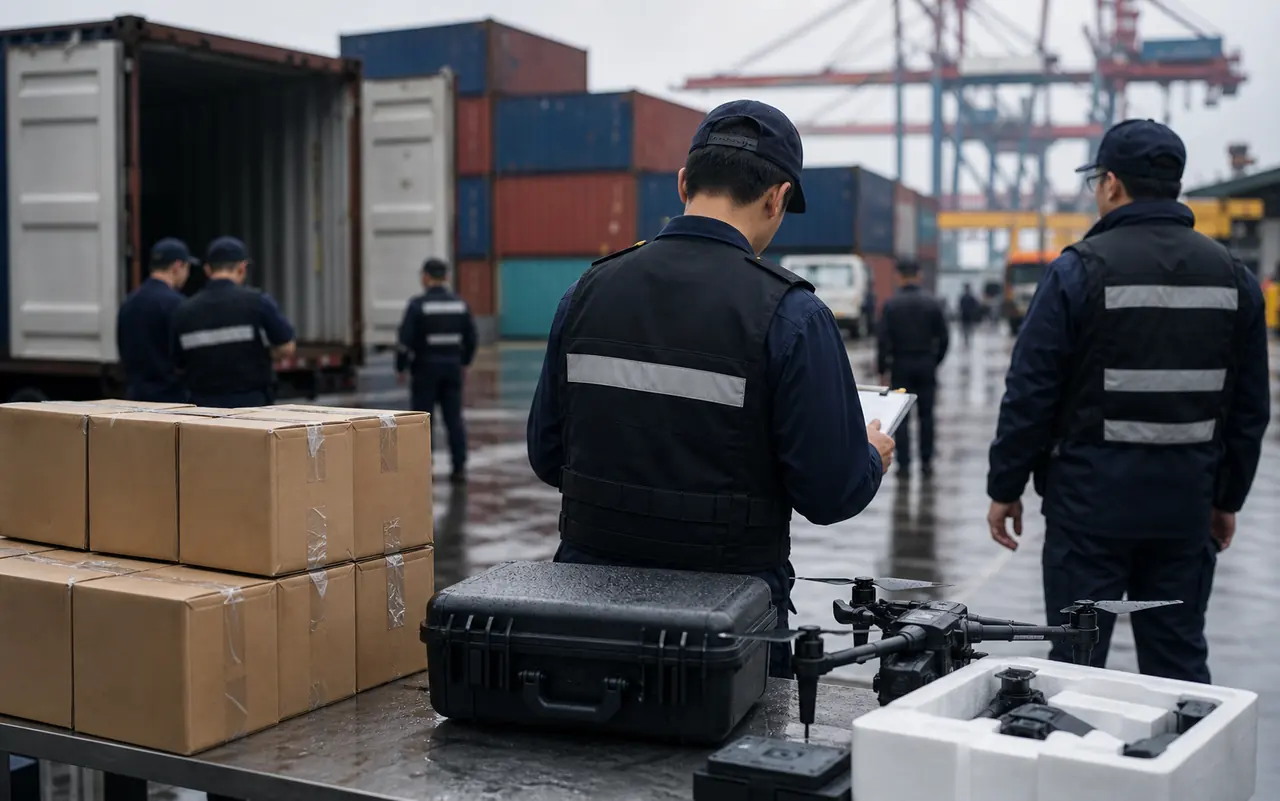
Blue Skies for Taiwan Act: Congress Wrote Taiwan a 'Relief' Bill — Can It Catch the 7/24 Tariff Cliff?
A bill that sounds like 'tariff relief for Taiwan' is actually a drone supply-chain law; the real tariff relief runs through executive action. As the 7/24 Section 122 cliff approaches, it pays to know which piece of paper actually saves you and which one is just symbolic.
The $250 Billion Bill: What Taiwan Traded for a 15% Tariff
In early 2026 Taiwan and the U.S. signed both an investment MOU and a Reciprocal Trade Agreement that settled tariffs at 15% — but the agreements still have to clear Taiwan's Legislative Yuan, and the 15% rate itself won't take effect until Washington completes its own administrative process. The price was a pledge of at least $250 billion in Taiwanese corporate investment in the U.S., another $250 billion in government credit guarantees, plus a five-year, $84.8 billion purchase list. Is this hollowing out the silicon shield, or, as officials put it, 'extension rather than relocation'? We lay the bill out and add it up.
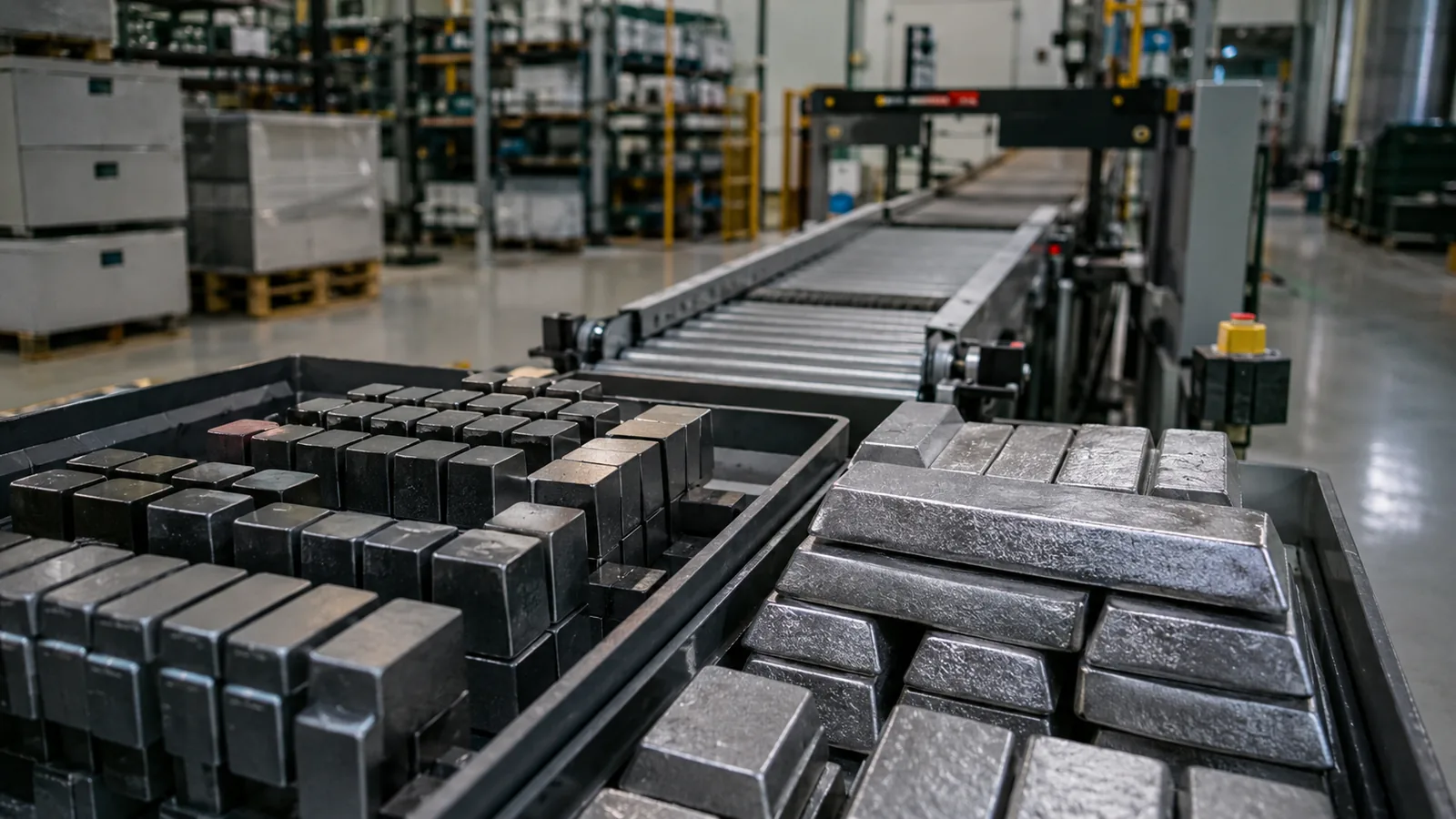
The Rare-Earth Pause Button: China Sets the Timer for November 10, 2026, With Only Months Left on the Final Countdown
Beijing hit pause on the rare-earth export controls it rolled out in October 2025, promising a one-year suspension expiring November 10, 2026. This is not a repeal — it's a timer. Rare-earth prices kept climbing through the pause anyway, with neodymium metal up more than 80% in a year. Taiwan depends on China for more than 95% of its rare earths, and its magnet, EV, defense, and semiconductor supply chains face a choice: use this breathing room to diversify sources, or bet the controls won't return?
The July 24 Cliff: Where Does Taiwan's Tariff Fall Back To From 10%?
A 150-day legal clock runs out on July 24. The 10% temporary tariff that has been propping up Taiwan's exports will automatically lapse — while the 15% Taiwan-U.S. agreement that is supposed to take over is still stuck in a legislature where the ruling party lacks a majority. With less than three weeks left, which number goes on your quote?
The India Card: Taiwan's South Asia Push, the India+1 Opportunity, and the China-India-Taiwan Triangle
Tata is building a large fab in Gujarat with a PSMC technology partnership, Foxconn assembles iPhones in Bengaluru, and Taiwan-India trade has grown nearly 80% in five years — Taiwan-India relations are entering a new density. But is this a genuine strategic pivot, or opportunism born of the China factor?
Exporting Deflation: When the Neighbor Starts Dumping, How Does Taiwan's Factory Survive?
China has posted 39 straight months of producer-price deflation, dumping its surplus steel, EVs, solar panels, and displays onto the world at rock-bottom prices. For Taiwan, this is a tide that cuts industry in two — AI and semiconductors ride the crest, traditional manufacturing is pushed under. The question is not whether China will collapse, but which half of the tide your factory is standing on.
New Southbound 2.0: You Can Diversify, But You Can't Replace — Taiwan's Market Breakout and Its Ceiling
Taiwan's share of exports to China has plunged from 43.9% to under 30%, and on the surface Taiwan looks like it has successfully "escaped China." But how much of that escape is New Southbound Policy's doing, and how much is just the denominator inflated by AI exports? With CPTPP rejection three times over, IPEF offering no tariff relief, and Beijing setting a diplomatic ceiling — how far can New Southbound 2.0 actually take Taiwan?
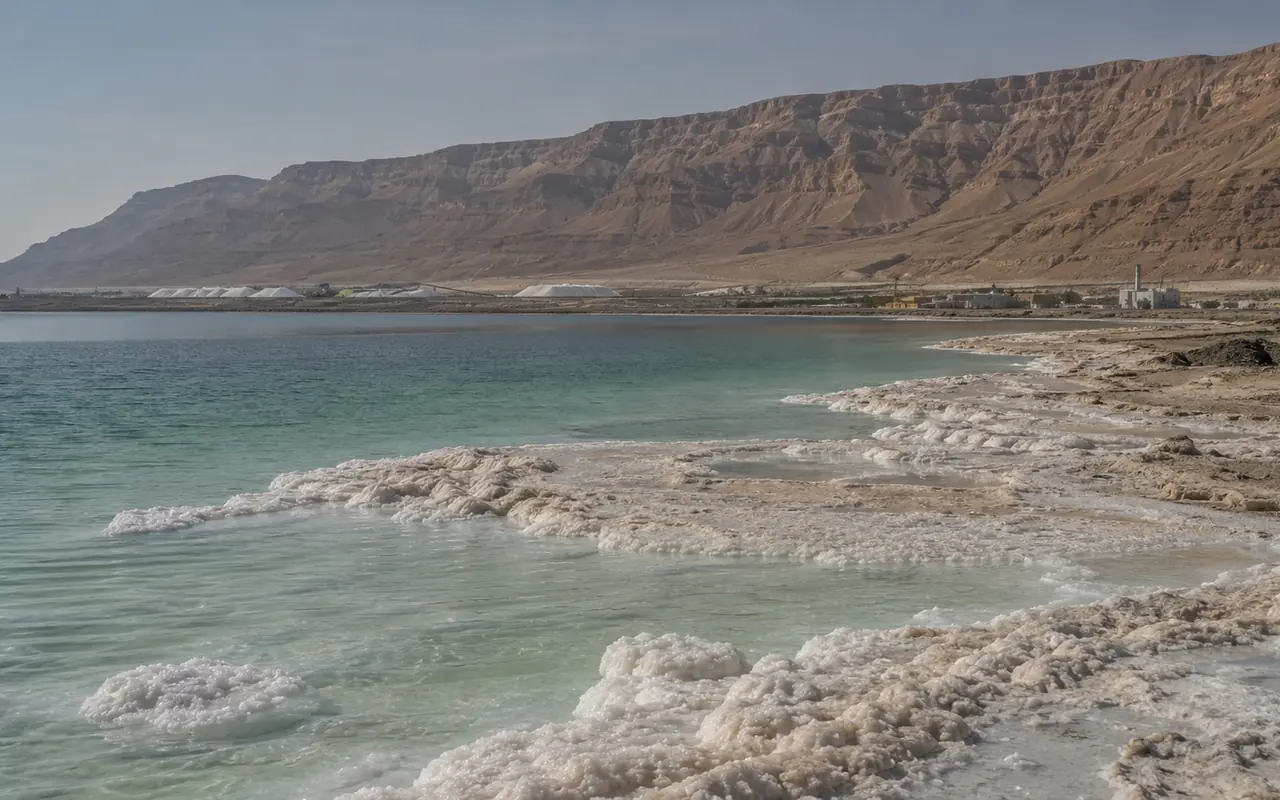
The Dead Sea and Doha: The Third Nerve Running Through Taiwan's Chips
Helium comes from Doha, bromine from the Dead Sea — two Middle Eastern gases you've never heard of, buried deep inside every chip's manufacturing process. The moment the Strait of Hormuz closed, Taiwan's fabs started rationing helium, with inventories down to several months. Beyond the electricity covered in 'Eleven Days' and the oil covered in 'Hormuz Shock, Taiwan's Other Bill,' this is the third nerve running through Taiwan's chips.
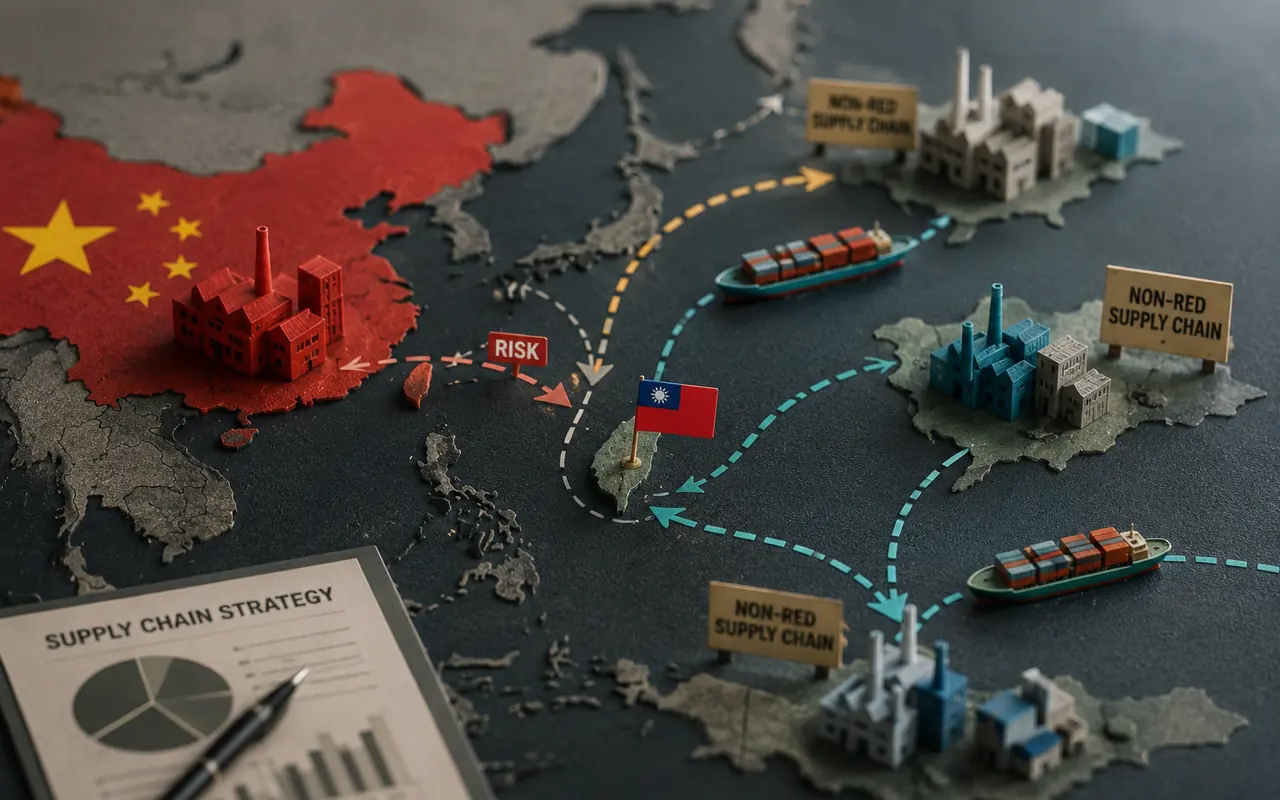
The Three-Layer Dividend of De-Risking from China: How Much Can Taiwan Actually Capture, and Who Might Route Around It?
De-risking offers Taiwan three kinds of opportunity: advanced manufacturing, emerging trusted supply chains, and China+1 orders. But moving assembly does not replace every upstream source, and overseas expansion changes who benefits. Suppliers need to identify the specific customer requirement that makes their contribution valuable.
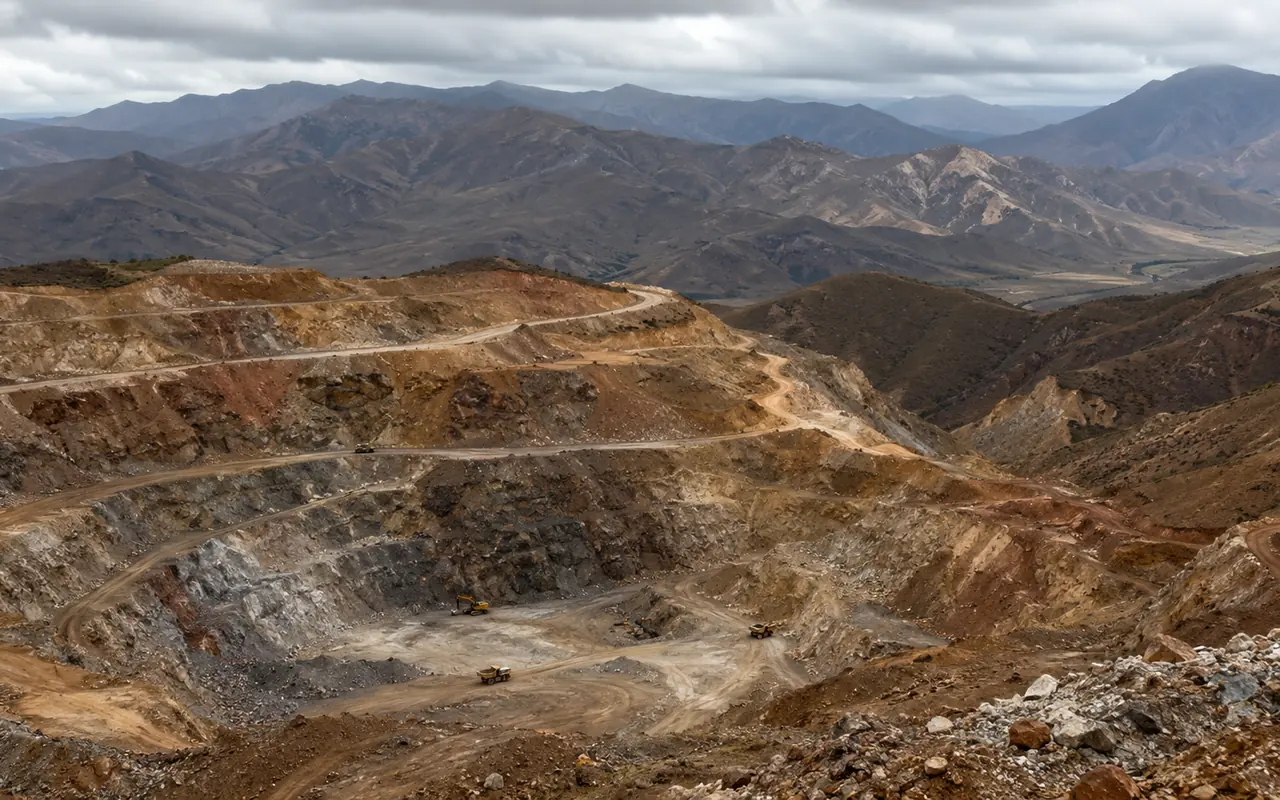
How Far Is Rare Earths' Break From China? The Progress and the Gaps in Alternative Supply Chains
'The Rare-Earth Chokehold' tallied the cards Beijing was holding: about 60% of mining and 90% of refining. A year on, we check the progress on alternatives: the hardest segment, heavy rare earths, has seen its first commercial-scale production outside China, and the U.S. simply made its own defense department the buyer. At the same time, China expanded controls from 7 categories to 12, rolled out an extraterritorial rule that '0.1% Chinese content triggers restriction,' and in June blacklisted 10 U.S. firms including MP. Something is genuinely moving, but it isn't there yet — what does that mean for Taiwan, which mines no rare earths but cannot do without magnets?
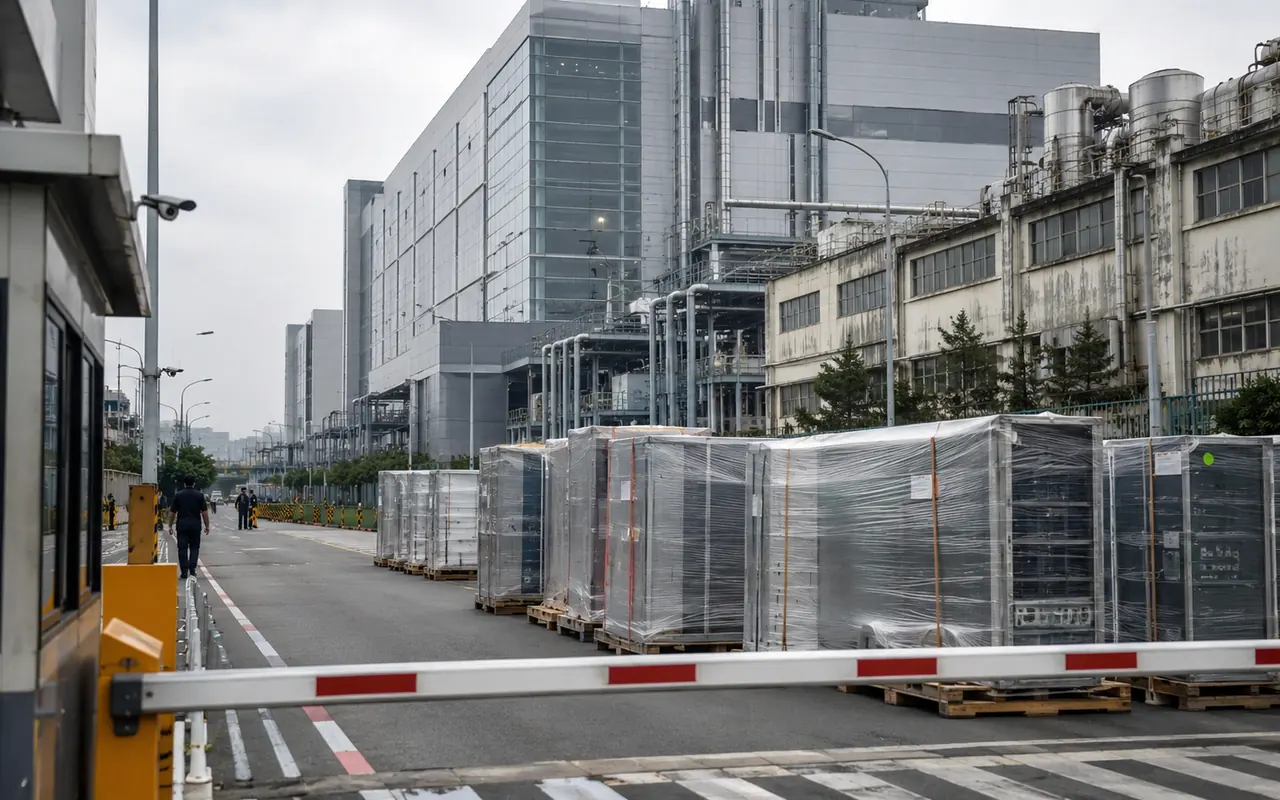
The Chip Chokehold
Washington has tightened the valve on AI chips to China again, and the market's first instinct is 'America squeezes China, orders shift to Taiwan, Taiwanese firms cash in.' But lay Taiwan's semiconductor industry flat, and it's actually standing on both ends of the scale at once: advanced-process makers get lifted higher and richer by the controls, while mature-process makers get eaten away by Chinese domestic substitution and price wars. The same blade, cutting different floors of the same industry, produces opposite results. And what actually decides the long-term outcome is a timeline that hasn't happened yet.
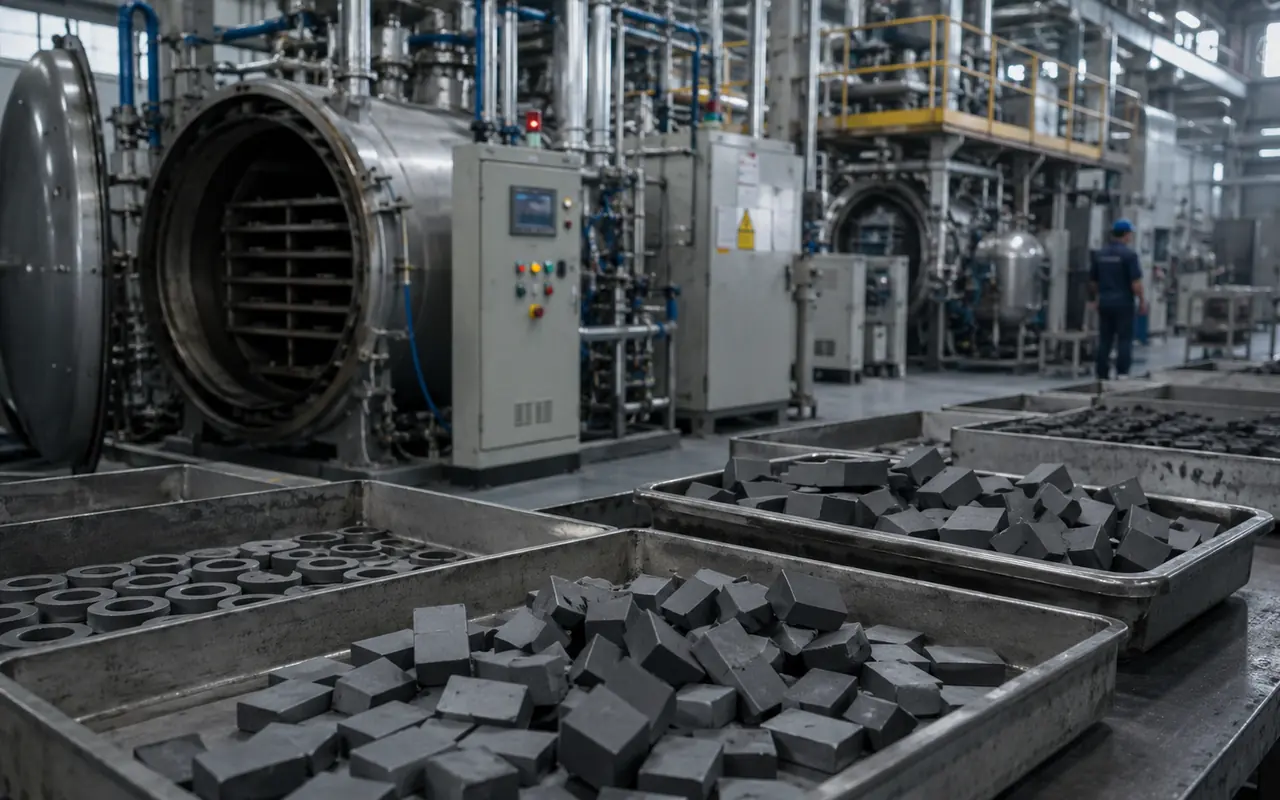
The Rare-Earth Chokehold
America squeezed China's chips; China squeezed the world's rare earths. Case-by-case licensing now reaches Taiwan's jugular.