
Macroeconomics
All Articles · 5
The World Grows 3%, Taiwan Grows 9.64%: In the Tug-of-War Between AI and War, How Long Can This High Growth Last?
The IMF forecasts 3.0% global growth for 2026; Taiwan's DGBAS forecasts 9.64%. The gap is not Taiwan decoupling from the world — it is Taiwan standing exactly where AI investment's updraft is strongest. The same position that pushes growth up can also amplify the shock when capital spending, energy prices, or valuations turn.
Global Public Debt Heads Toward 100% of GDP: Treasuries Are Still a Safe Haven, but Taiwan Can No Longer Hold Blindly
The IMF projects global public debt will reach 100% of GDP by 2029, while the BIS warns that high public debt and non-bank leverage are amplifying pressure in sovereign-debt markets. Taiwan's own fiscal position is comparatively sound, but its banks, life insurers, businesses and households are connected to global interest rates through overseas bonds, exchange rates and financing costs. The real risk is not that Treasuries have suddenly become unsafe, but the mistake of treating credit safety as though price, liquidity and currency risk no longer need managing.
Where Does the US$62.5 Billion Surplus Go? Why the Money Taiwan Earns from the World Keeps Flowing Back Overseas
In the first quarter of 2026, Taiwan ran a current-account surplus of US$62.53 billion and its financial account posted a US$64.86 billion increase in net assets. These are not two mysterious sums that cancel each other out — they are two sides of the same coin: net income brought home through exports and overseas earnings ends up converted into foreign assets through direct investment, securities, deposits and trade credit. The real question worth asking is why Taiwan keeps generating savings on this scale that cannot find a matching amount of domestic investment.
ECFA Endgame
Beijing suspended ECFA's early-harvest list, and the collapse everyone expected never came — because the decoupling had already been under way for years. But the real question was never whether decoupling is happening; it is who props Taiwan up once the China market is gone.
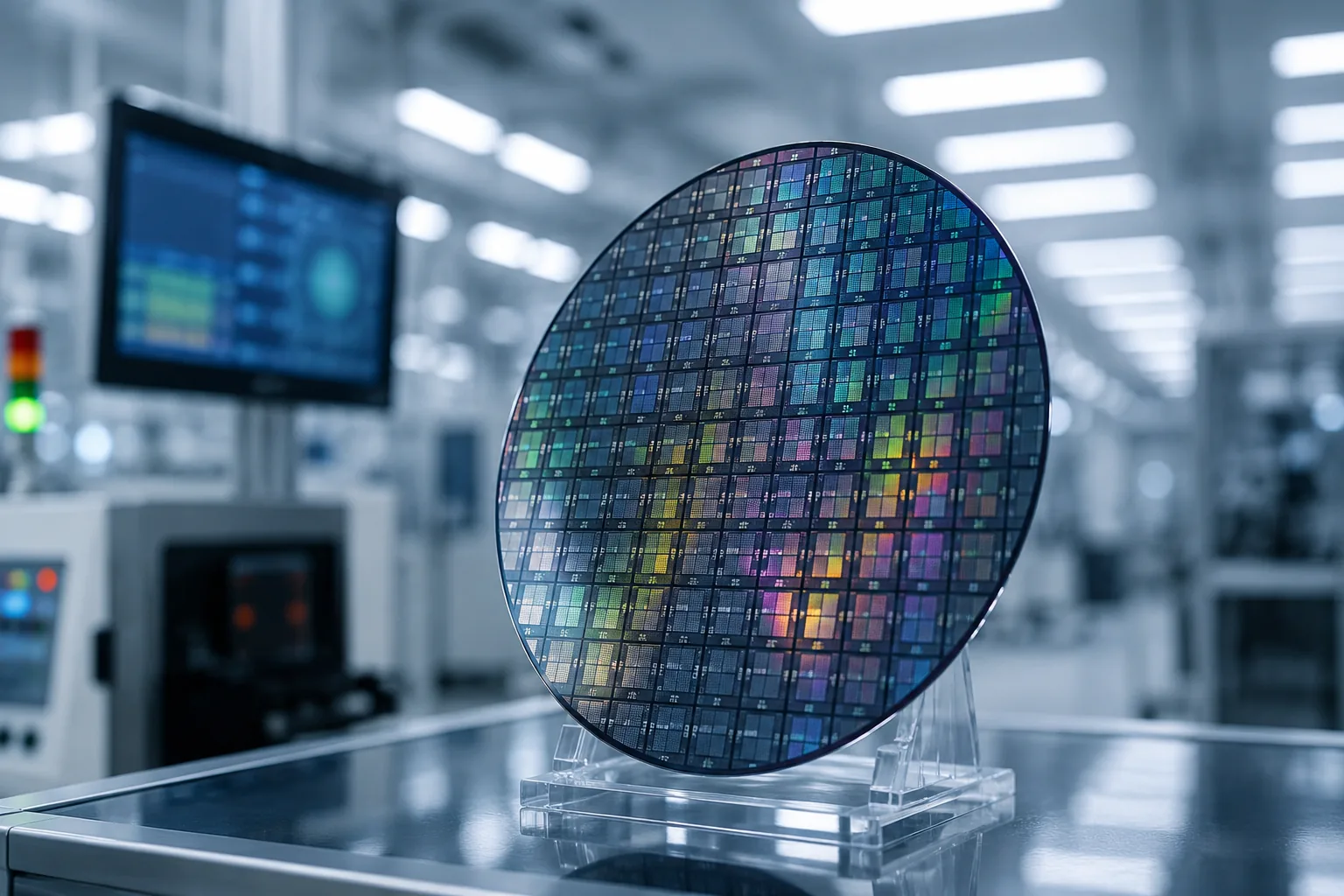
Taiwan's Semiconductor Dependency
Semiconductors have driven Taiwan's GDP to new highs, but they have also made Taiwan's economic structure look more and more like a unicycle. The AI capex cycle will eventually turn — when it does, can a Taiwan with no second engine absorb the shock?