
Tech & AI
All Articles · 6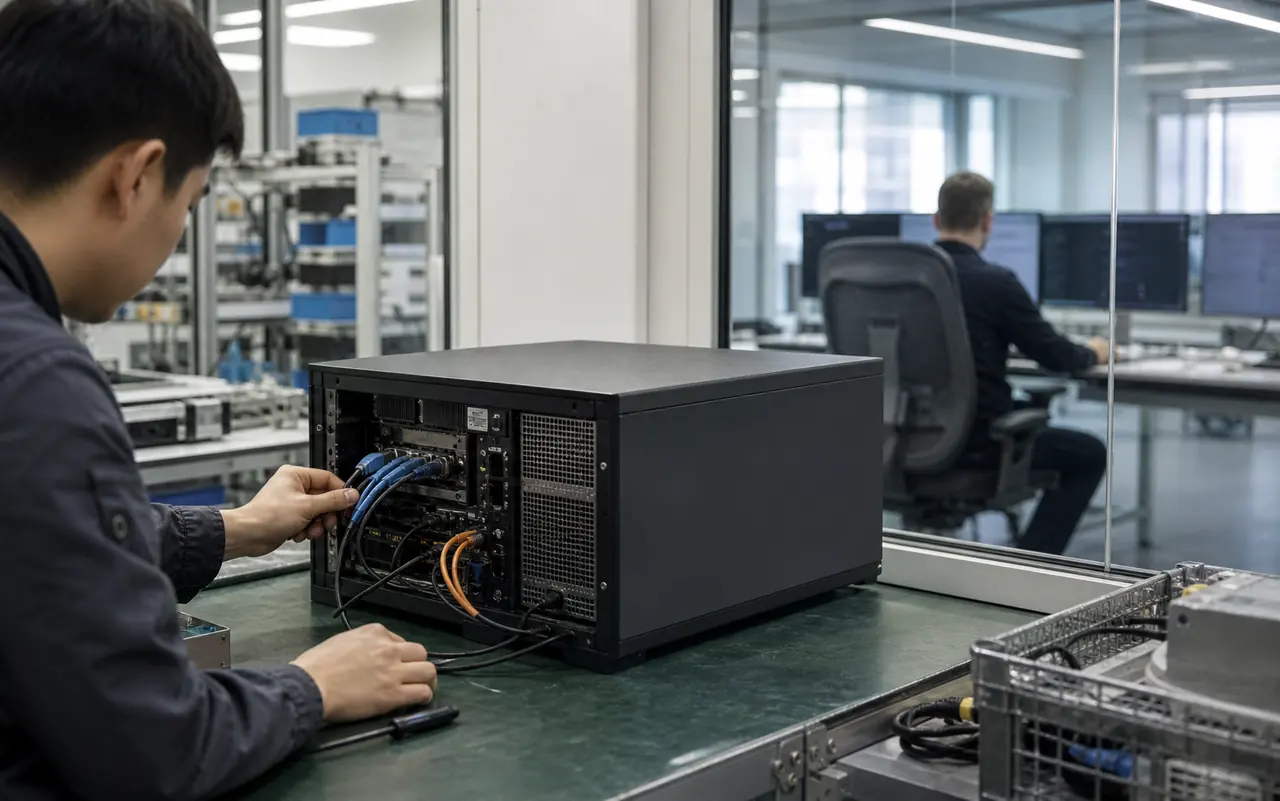
The AI Act Starts Enforcing: For Taiwanese Models, SaaS and Content Platforms Entering the EU, Who Is Provider, Who Is Deployer?
The EU AI Act has entered a new phase of enforcement and transparency obligations. The real first question for Taiwanese companies is not where the underlying model comes from, but which legal role they occupy in each product, brand and use case.
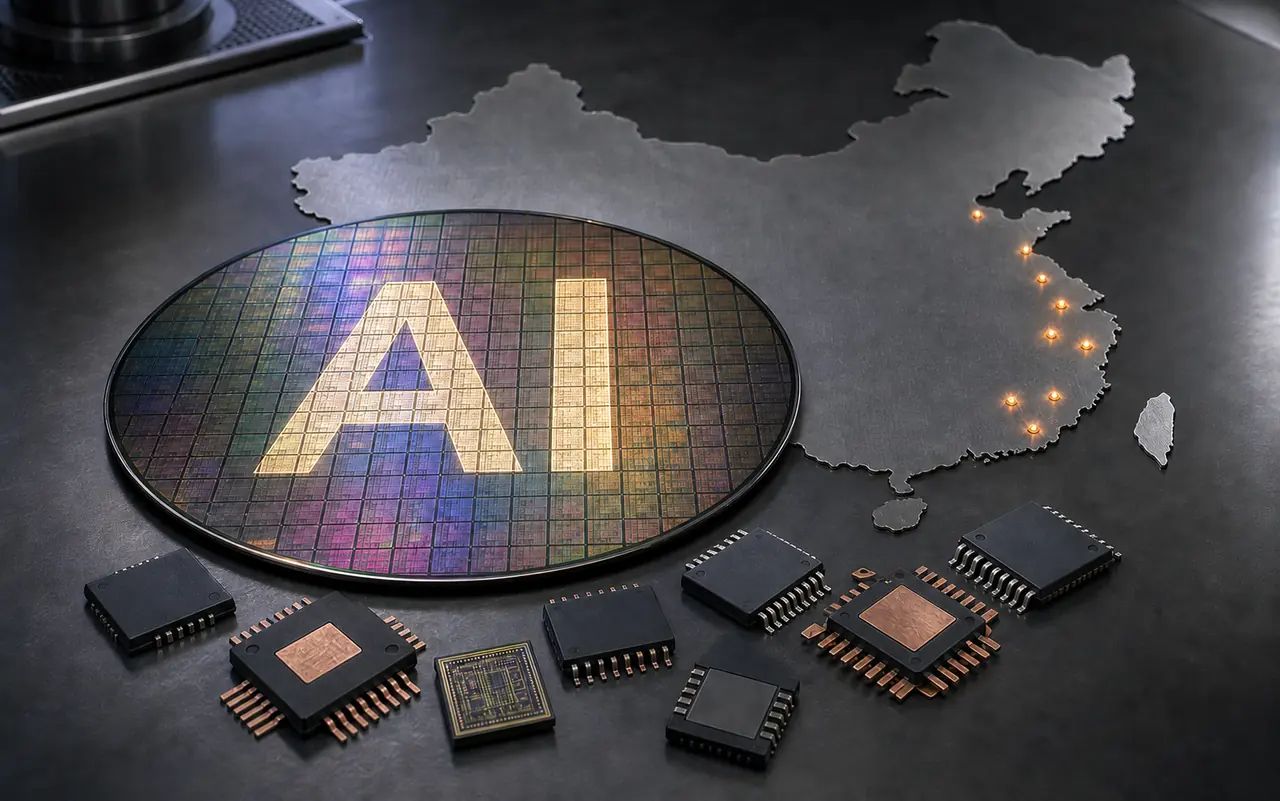
The AI Boom Reaches Mature Nodes: TSMC Revenue Hits a Record — Will Chip Price Hikes Reach Your Products?
June revenue of NT$442.68 billion and roughly NT$1.27 trillion for the second quarter — TSMC has again hit a record, driven by AI demand. At the same time, word is spreading through the industry that mature-node prices are about to be adjusted too. The real story is not that every chip is getting more expensive at once — it's that AI servers have started consuming huge volumes of power-management, control and optical-communication peripheral chips, handing pricing power back to production lines once written off as old.
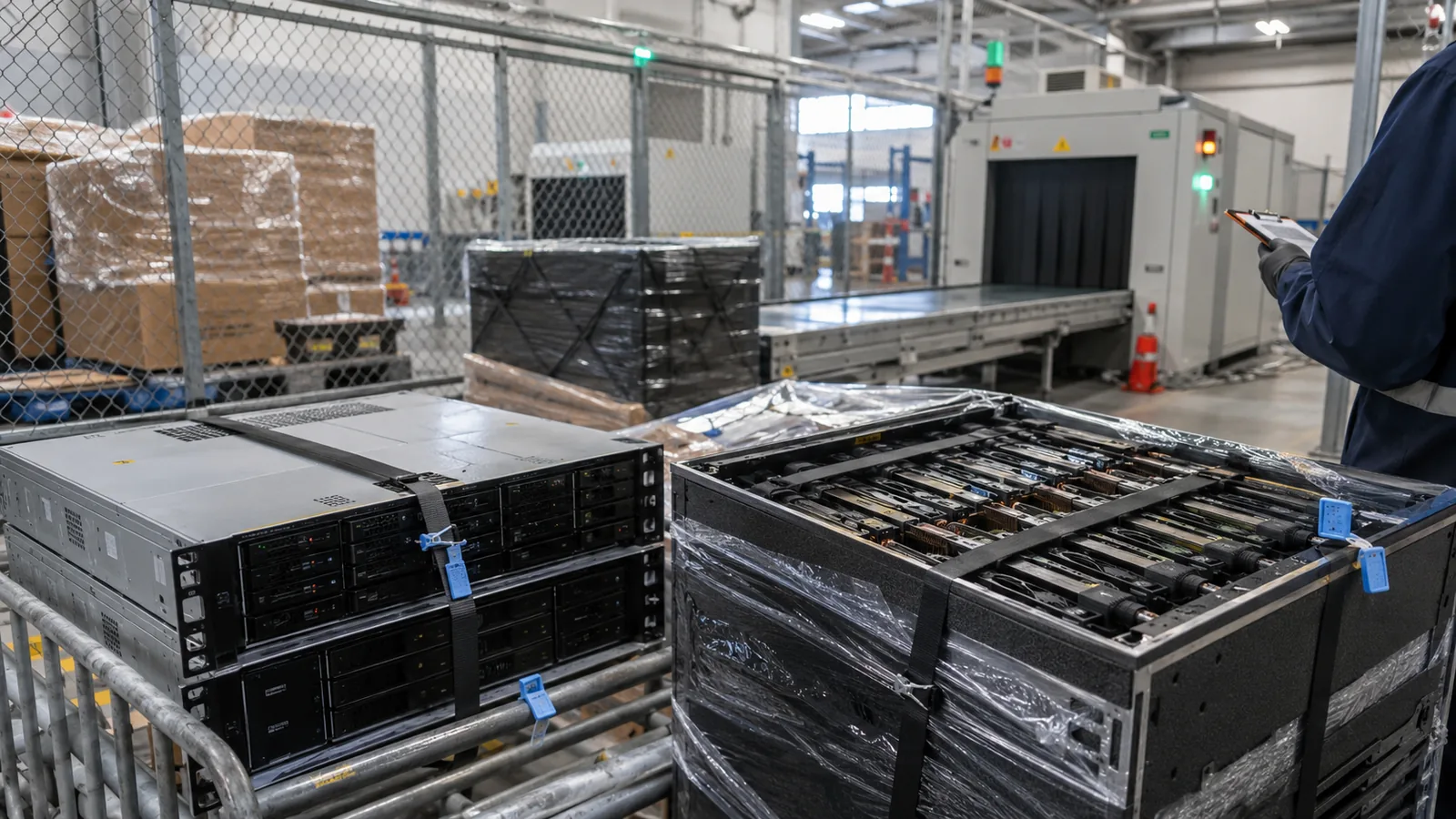
From Regulator to Enforcer: The Cost of Criminalizing Taiwan's AI-Chip-to-China Export Controls
The Super Micro server transshipment case has put an awkward fact in the open: smuggling AI chips into China is not, as things stand, a crime in Taiwan. As Taipei considers amending the Foreign Trade Act to close this criminal-liability gap and align with Washington, Taiwan will also shift from a passive rule-taker to a rule-enforcer holding prosecutorial power — and the bill will land first on the kingdom that ships 44 percent of the world's AI racks.
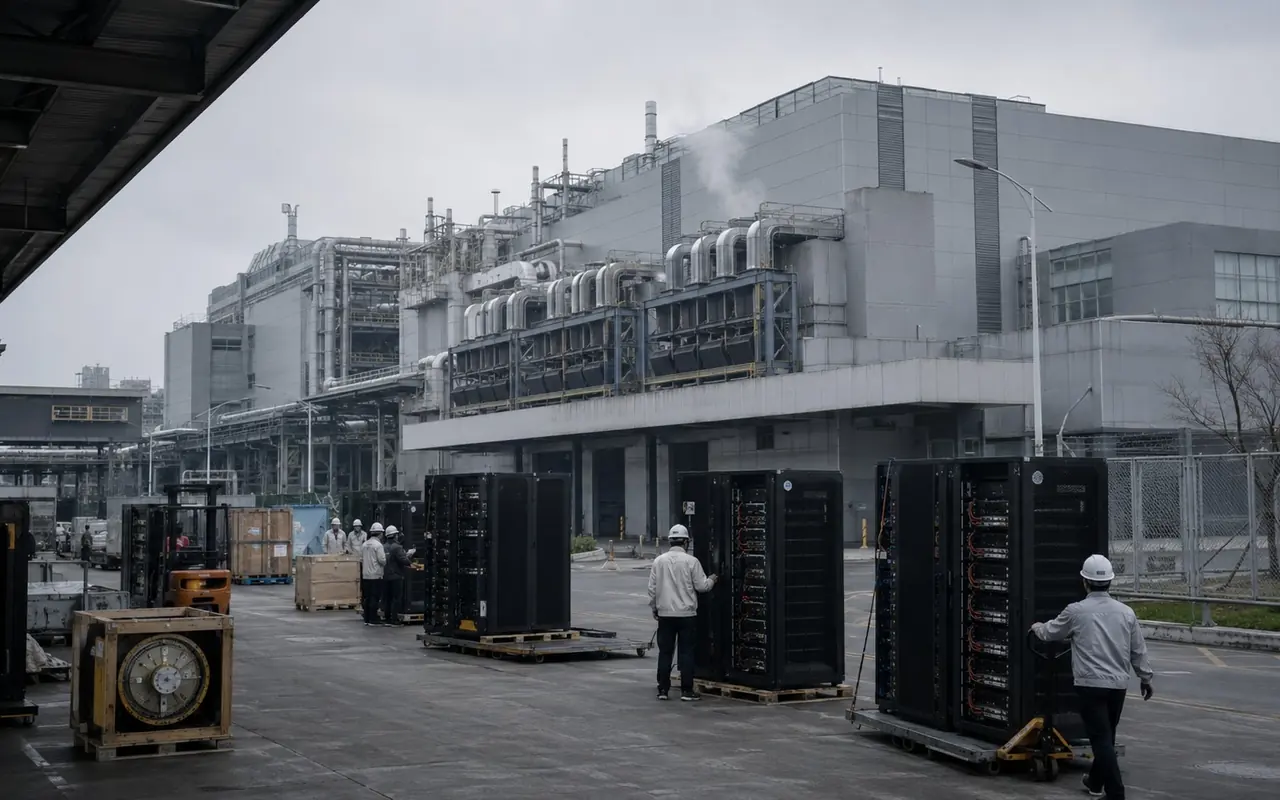
How Far Has China's Chips Caught Up? Ascend, SMIC, and the Thickness of the Silicon Shield
In September 2025, Huawei laid out a chip roadmap stretching to 2028 — not the posture of a chaser, but the manifesto of someone building a parallel system. The silicon shield's value equals Taiwan's 'technology generation gap'; to measure how thick the shield is, you first have to measure how sharp the rival's spear has become. The answer is paradoxical: 'China has caught up' and 'China is stuck' are both true at the same time. But the real plot twist of 2026 is that China has simply changed the game it's competing in — while the United States is lowering its own wall with its own hands.
Silicon Shield in Depth
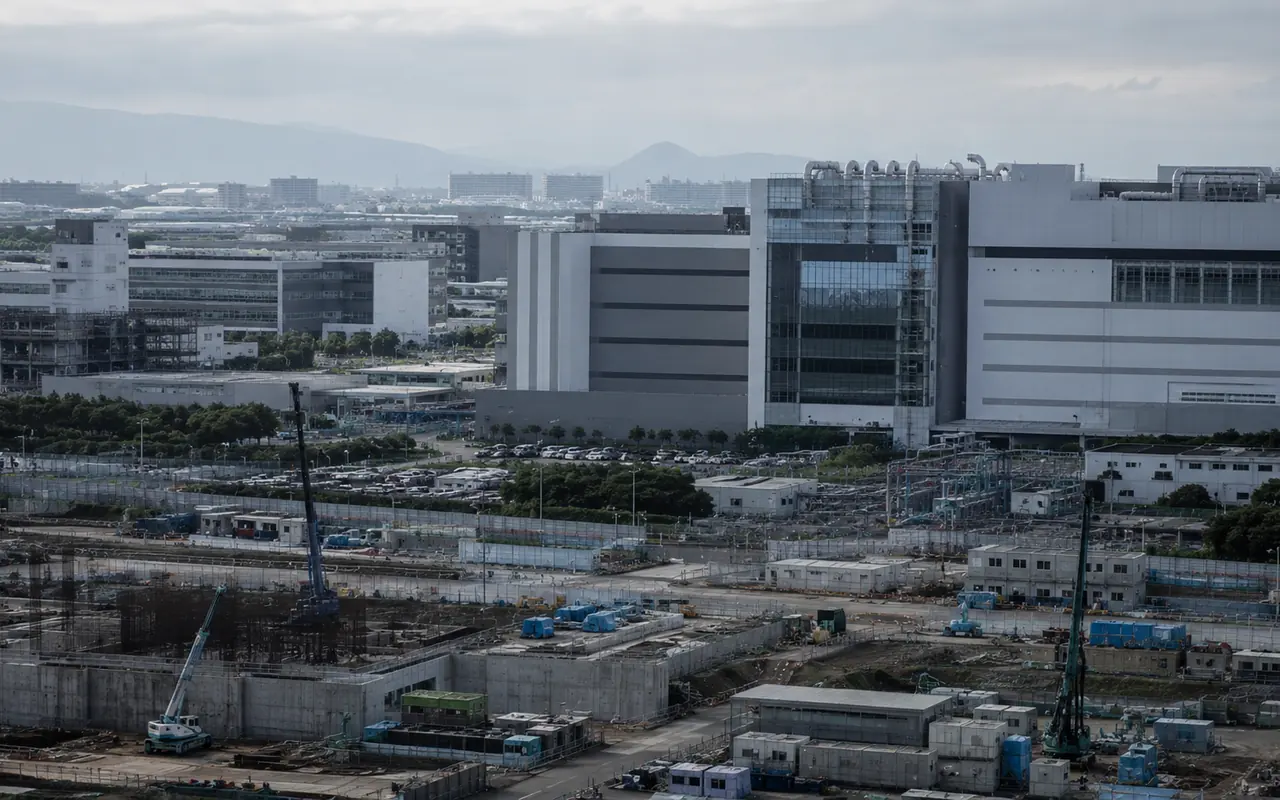
After the US-Taiwan $250 billion chip deal, Arizona is building fabs while Taiwan may be simultaneously building as many as 10 new ones on the island — is the sacred mountain doubling down, or being diluted? The real answer about the silicon shield is more subtle than either side admits: it isn't fading — it's growing into a new shape.
The Frontier Is Not the Finish
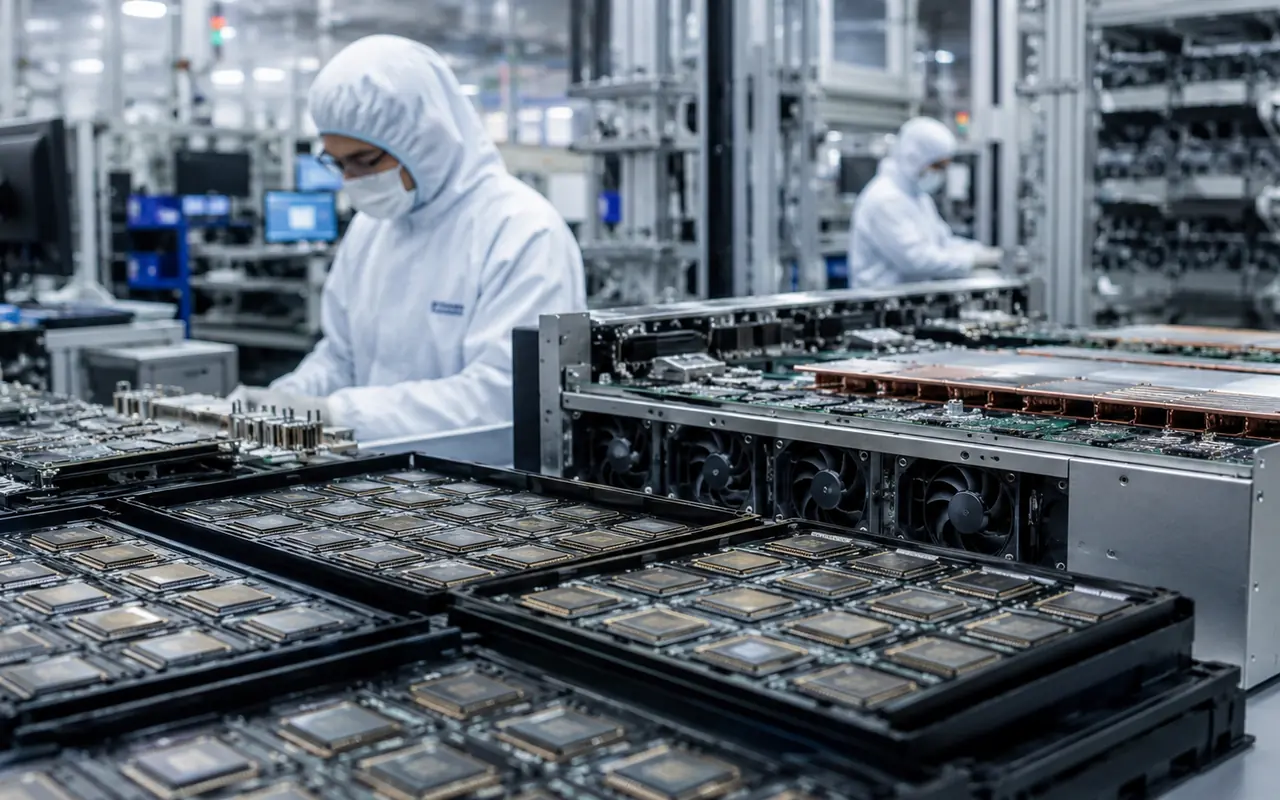
China's frontier AI trails the U.S. by only about seven months — and in coding, the gap is almost closed. But the real battlefield isn't the model, it's chips and money: over 90% of the world's most advanced logic-process capacity is concentrated in Taiwan, channeling trillion-dollar AI capital toward this island. How should Taiwan catch it?