
The Geopolitical Review
We focus on Taiwan's geoeconomics: how shifts in global power affect its industries, trade and business decisions. Explore Taiwan geoeconomics →
Taiwan's Two Faces
The whole world depends on Taiwan's chips — and is quietly preparing for the day it might lose them. The same island is both the heart of the supply chain and a geopolitical powder keg. How can Taiwan's companies turn "irreplaceable" into an advantage that lasts?
- How can enterprises build sustainable advantage between two opposing forces?
- Taiwan's strategic pivot points: technology, trust, and resilience.
- From semiconductors to systems integration: the next critical decade.
September 11: The Loophole Clock Starts Ticking — How the EU CRA's 24/72-Hour Rule Rewrites Taiwan's Hardware Exports
The reporting obligations of the EU's Cyber Resilience Act take effect early, on September 11, 2026. They do not require every vulnerability to be disclosed within a day — they require the legal manufacturer of a product to issue a 24-hour early warning, a 72-hour notification, and a follow-up final report once it becomes aware of an actively exploited vulnerability or a severe security incident. The real impact on Taiwan is that brand owners will push that statutory clock backward onto their ODMs, component suppliers, and software supply chains.

The AI Act Starts Enforcing: For Taiwanese Models, SaaS and Content Platforms Entering the EU, Who Is Provider, Who Is Deployer?
The EU AI Act has entered a new phase of enforcement and transparency obligations. The real first question for Taiwanese companies is not where the underlying model comes from, but which legal role they occupy in each product, brand and use case.

Products Need a Résumé Too: The EU's DPP Registry Is Live — Who Controls Taiwanese Suppliers' Data?
The EU's DPP Registry has gone live, but not every product becomes mandatory on the same day, and it does not mean a complete data set gets uploaded to a central EU database. What Taiwanese suppliers really need to decide now is who controls identifiers, hosting, access, updates and transfer.
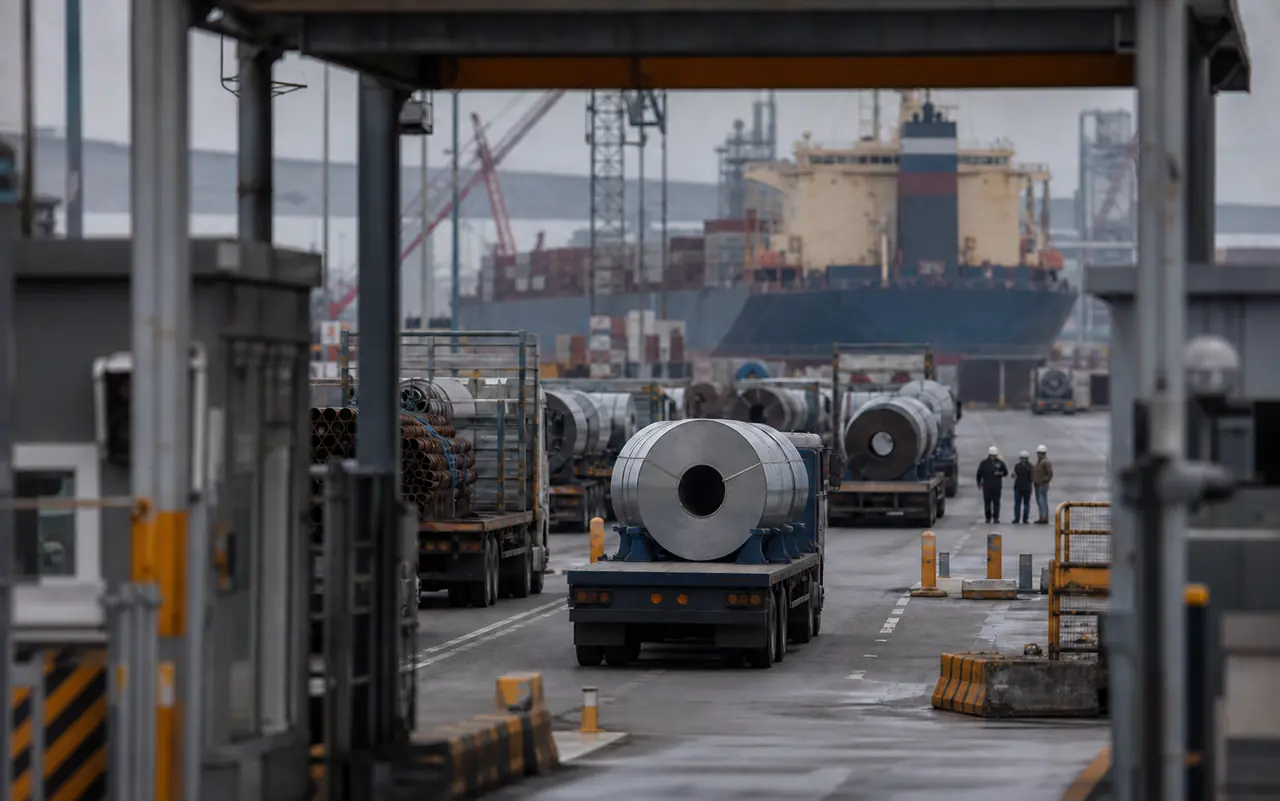
Once the Quota Runs Out, It's Fifty Percent: How the EU's New Steel Tariff Reshuffles Nine Categories of Taiwanese Exports
The EU's new steel regime does not slap 50% on every tonne of Taiwanese steel from the first shipment. Instead it places 26 product categories inside tariff-rate quotas, and only once the relevant quota is exhausted does a 50% out-of-quota surcharge apply. Taiwan holds country-specific allocations in nine categories, but what actually decides whether a given order keeps its margin is the CN classification, origin, quarter, quota order number, and the date the EU accepts the import declaration.
The December 4 Vote: If the IMO's Net-Zero Framework Passes, Which Bill Does Taiwan's Shipping Industry and Kaohsiung Port Pay First?
The IMO did not adopt the Net-Zero Framework in 2025, and December 4, 2026 is only the scheduled date for resuming the extraordinary session — contingent on confirmation by MEPC 85. Taiwan has no vote at the IMO, yet it will still feel the outcome through flag-state and port-state enforcement, fuel procurement, freight rates, and shipper contracts. What Taiwan should pay first is not an as-yet-undetermined carbon price, but three preparation costs: data, a fuel evidence chain, and contract transparency.

Japan Takes Economic Security Overseas: Can OESA Bring Taiwan's Supply Chains Into State-Level Financing?
Japan has created OESA, extending policy finance to overseas projects that matter for economic security but are hard for existing tools to carry. Taiwan has an opening, but the law taking effect is not the same as Taiwan already being on the list — the real threshold lies in Japan's own interests, project design, and implementing rules that have yet to be published.

Viral Data Goes In — Do Vaccines Come Out? Taiwan's Gap in the PABS Negotiations
The WHO Pandemic Agreement was adopted by the World Health Assembly in 2025, but its core annex on pathogen access and benefit-sharing is still under negotiation; the seventh round did not conclude, and the eighth round is set for September. Taiwan's real risk is not whether it can upload a sequence — it is that there is no single, publicly verifiable, end-to-end pathway linking data contribution, notification of use, manufacturer contracts, and actual access to vaccines and diagnostics.

100 Percent Is Not All Drugs: Taiwan's Real Exposure and Window Under the U.S. Pharmaceutical Section 232 Tariff
The U.S. pharmaceutical Section 232 measure establishes a current, conditional structure of 100%, 20%, 15%, and 0% treatments for certain imported branded pharmaceuticals and related ingredients; the Section 232 additional duty rate on UK-origin covered goods changed from +10% to +0%, effective 12:01 a.m. Eastern Time on July 31, 2026. Taiwan's exports to the U.S. are dominated by generics, keeping overall short-term exposure below the headline number — but the reprieve, the one-year reassessment, company-level agreements, and import classification mean the real risk sits with individual products and customers.
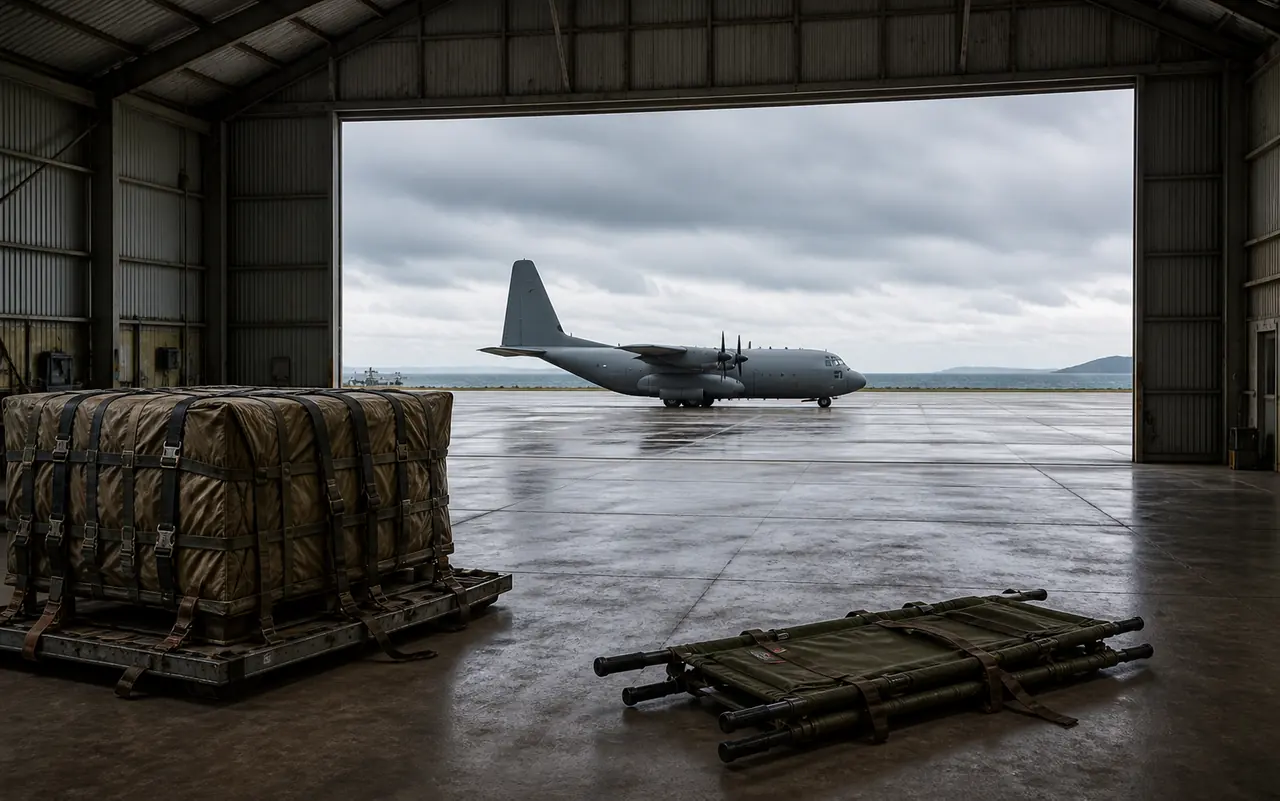
The Philippines' Double Signal: If the Taiwan Strait Erupts, Is EDCA Strategic Depth or a Political No-Go Zone?
Marcos says, on one hand, that the Philippines will not become a springboard for a US attack on China — and, on the other, admits it cannot stay out of a Taiwan Strait crisis. EDCA's real significance is that capability has already been built, while specific activities remain subject to Philippine approval and bilateral mechanisms.