
Risk & Security
All Articles · 22
September 11: The Loophole Clock Starts Ticking — How the EU CRA's 24/72-Hour Rule Rewrites Taiwan's Hardware Exports
The reporting obligations of the EU's Cyber Resilience Act take effect early, on September 11, 2026. They do not require every vulnerability to be disclosed within a day — they require the legal manufacturer of a product to issue a 24-hour early warning, a 72-hour notification, and a follow-up final report once it becomes aware of an actively exploited vulnerability or a severe security incident. The real impact on Taiwan is that brand owners will push that statutory clock backward onto their ODMs, component suppliers, and software supply chains.

Viral Data Goes In — Do Vaccines Come Out? Taiwan's Gap in the PABS Negotiations
The WHO Pandemic Agreement was adopted by the World Health Assembly in 2025, but its core annex on pathogen access and benefit-sharing is still under negotiation; the seventh round did not conclude, and the eighth round is set for September. Taiwan's real risk is not whether it can upload a sequence — it is that there is no single, publicly verifiable, end-to-end pathway linking data contribution, notification of use, manufacturer contracts, and actual access to vaccines and diagnostics.
The Catastrophe Reinsurance Black Hole: What No One in Taiwan Will Insure, Between the Earthquake Belt and Geopolitical Risk
Taiwan sits on both the Pacific Ring of Fire and the geopolitical fault line of the Taiwan Strait. As global reinsurers reprice both "earthquake" and "war," a black hole that no one wants to underwrite is widening beneath corporate balance sheets — this is not just a premium problem, but a systemic resilience gap for Taiwan.

How an 'Ethnic Unity Law' Reaches Into Taiwan: Beijing Moves From Economic Pressure to Cross-Border Lawfare
Beijing has not set down its tariffs and market levers to pick up a law book instead; it is stacking ethnic identity, organizational compliance, internet governance, and extraterritorial accountability on top of existing economic pressure and anti-independence rules. The new law has no verifiable enforcement case against a Taiwanese person yet, but it has already shifted the risk boundary Taiwanese people, companies, and groups face when they engage with China.
Ten Years On, Did the Law Win? The South China Sea Arbitration and Taiwan's Taiping Island Dilemma
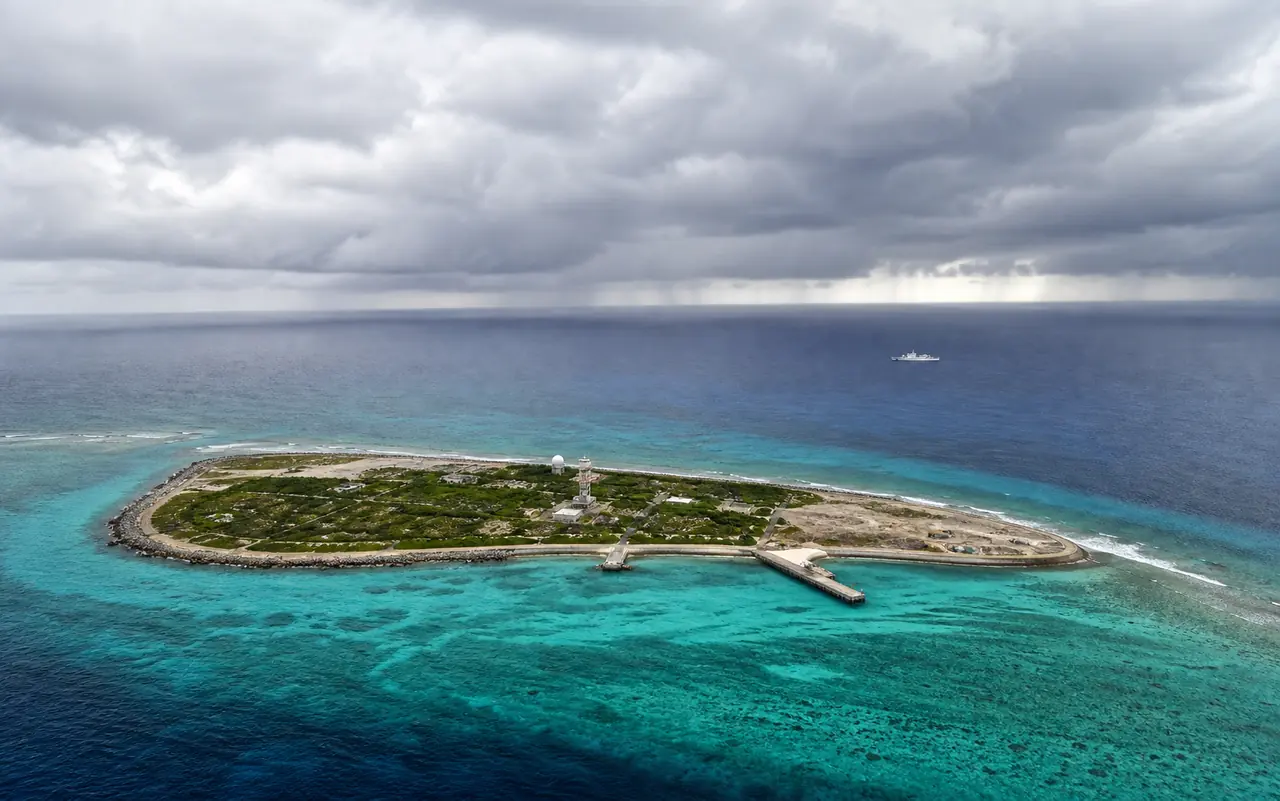
Ten years ago, the Hague arbitration struck a heavy blow against Beijing's nine-dash line — and also ruled that Taiping Island, the feature Taiwan controls, is a "rock" that cannot generate an exclusive economic zone. Taiwan wants to uphold the rules, yet cannot pretend it wasn't hurt; the real solution is neither wholesale acceptance nor wholesale rejection, but separating sovereignty, maritime entitlements, and historic claims into distinct questions.
Launched From the Seabed Into the Pacific: How China's Submarine-Launched Strategic Missile Rewrites Taiwan's Deterrence Environment
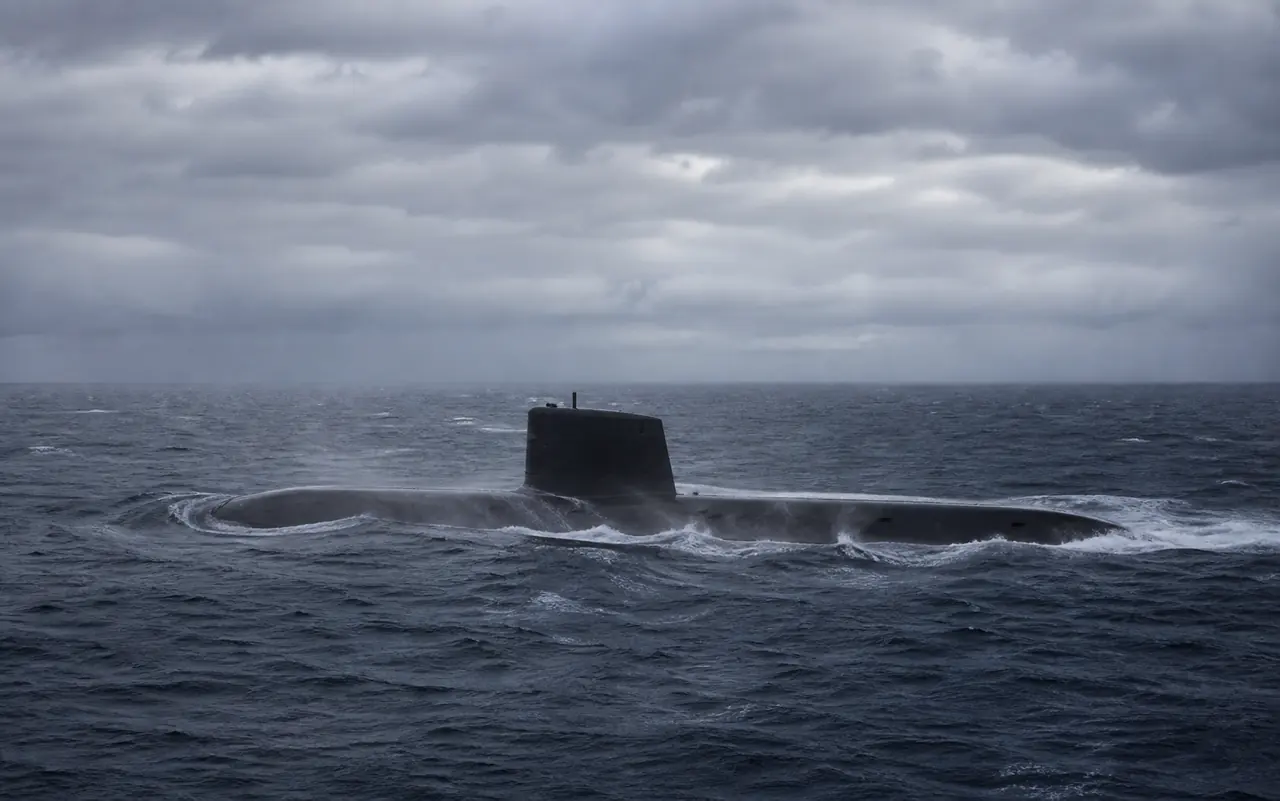
On July 6, a strategic missile carrying a simulated warhead was launched from a Chinese nuclear submarine into the Pacific. It is not a countdown to an attack on Taiwan, but it shows Beijing moving its sea-based nuclear capability to "strike back even after being struck first" into the spotlight. What Taiwan actually needs to shore up is not nuclear weapons, but early warning, command, communications, and crisis management.
Taiwan's Iron Dome, T-Dome: A 'Taiwan Shield' That Just Got Its Budget Cut — Should It, Can It, and How Much?
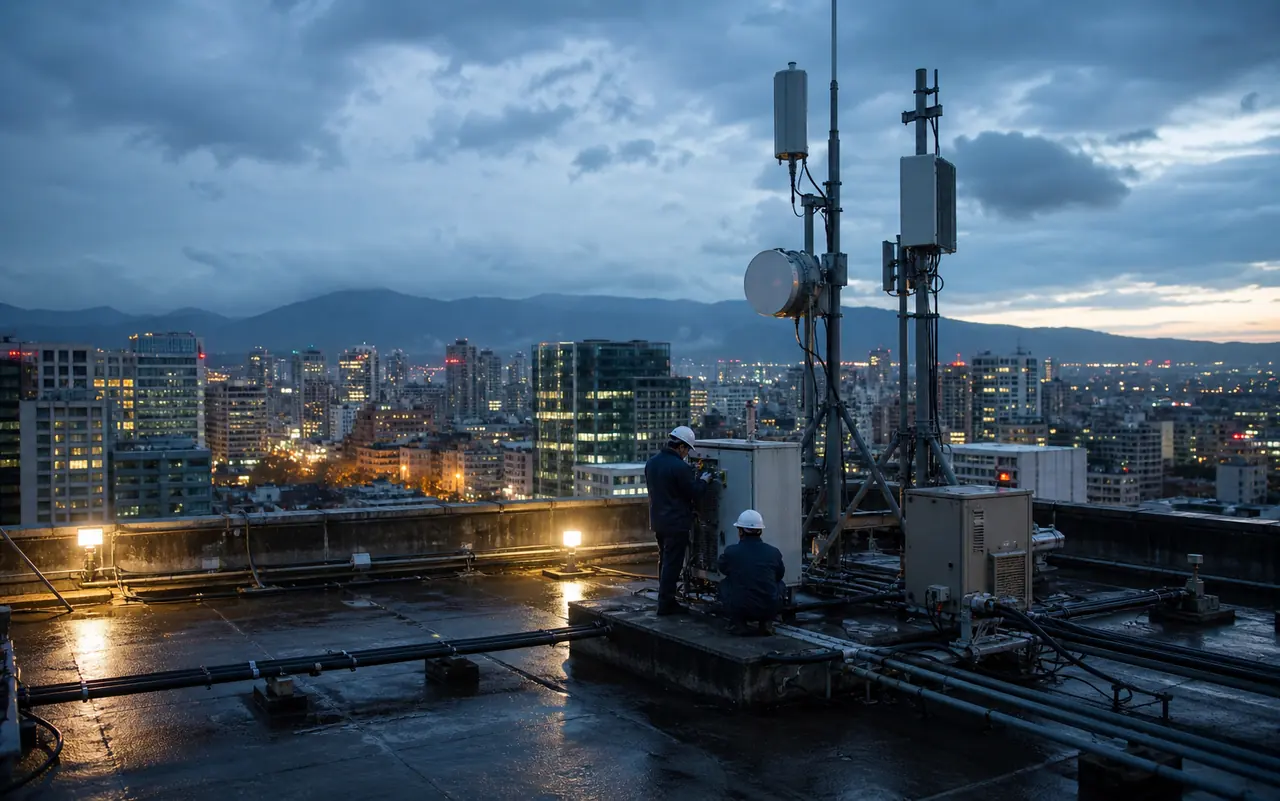
The integrated, multi-layered air-defense system 'T-Dome,' unveiled by the Lai government on National Day, had its backbone funding cut from the special budget in less than a year. How does this shield actually compare with Israel's Iron Dome and America's Golden Dome? Facing saturation missile and drone-swarm attacks, should Taiwan bet on one big shield, or keep buying lots of small quills?
Coast Guard Lawfare: How Beijing Is Rewriting the Rules of the Taiwan Strait With White Hulls
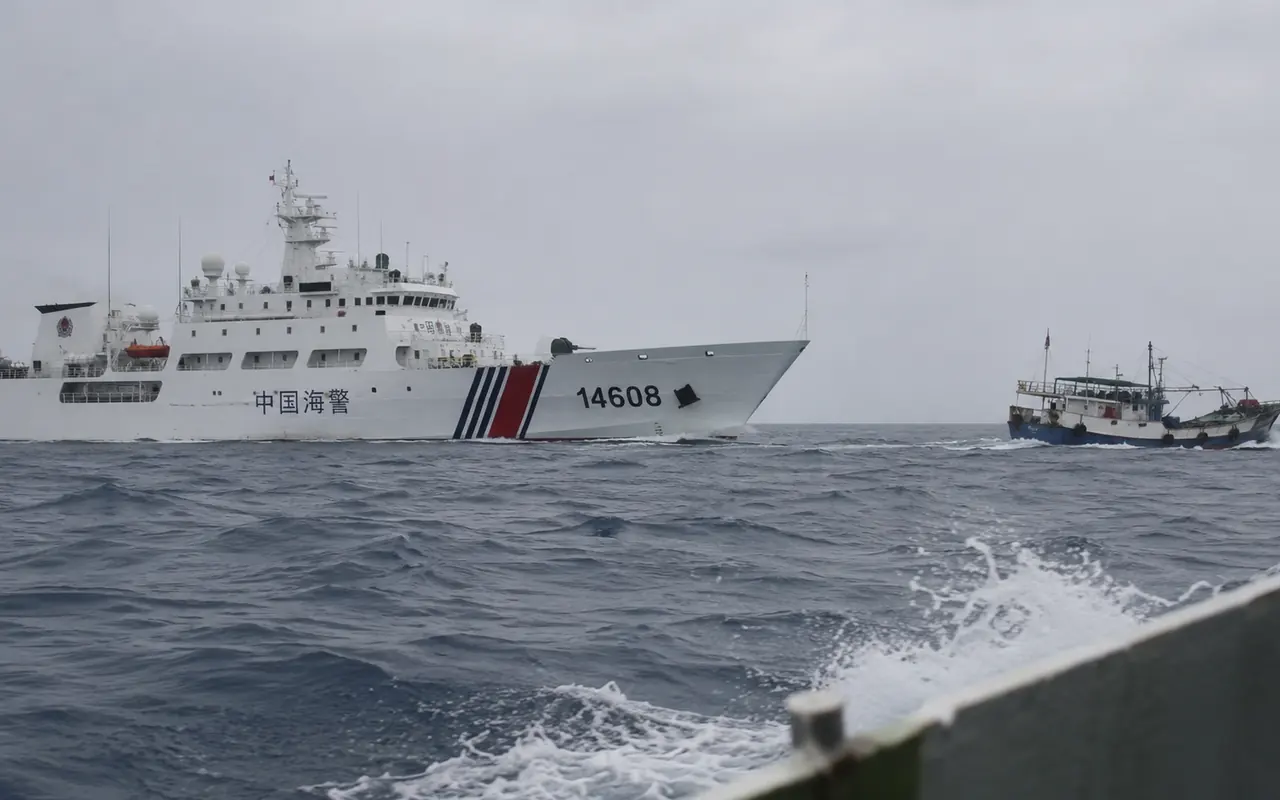
Since 2021, China's coast guard ships have carried a legal authorization to open fire. Their presence in waters around Taiwan keeps climbing — not to fight a war, but to use legal ambiguity to rewrite the Taiwan Strait's rules of navigation, one incident at a time, so that Taiwan's sovereignty claims look unsustainable long before any formal conflict begins.
Cognitive Warfare: When Beijing's Weapon Isn't a Missile, It's Your Brain
China's cognitive warfare against Taiwan has never stopped — from fake news to deepfake videos, from infiltrating social media to manipulating election narratives, all aimed at one goal: making Taiwanese society doubt it is worth defending, before the first missile ever falls. Understanding this invisible war is a basic defense lesson for every citizen of Taiwan.
Financial Warfare: After the Dollar Was Weaponized, Where Does the Next War Get Fought?
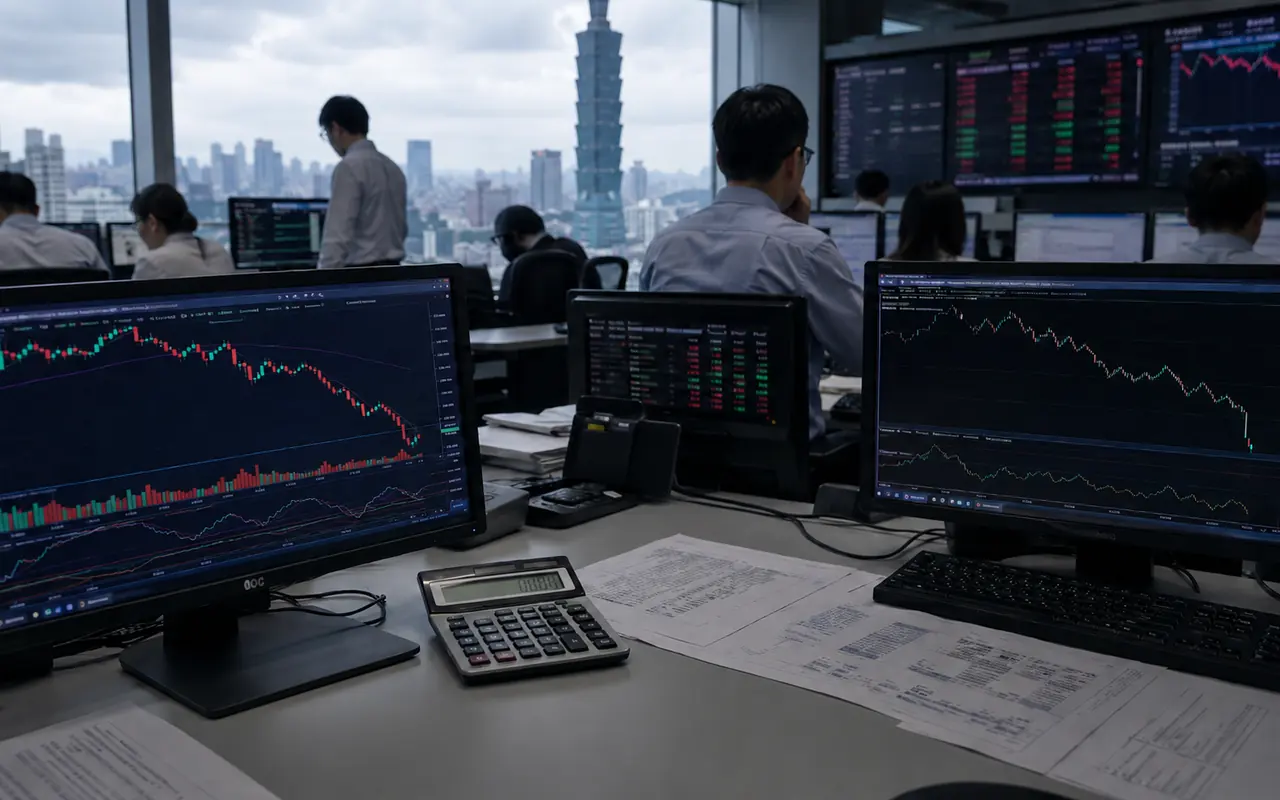
Russia's expulsion from SWIFT and the freezing of its foreign-exchange reserves showed the world just how powerful financial sanctions can be. Beijing took the lesson to heart and is accelerating the build-out of alternative rails that bypass the dollar system. By the same logic, if a Taiwan Strait conflict breaks out, both sides' financial arsenals would likely fire the first shots — is Taiwan's financial system ready?
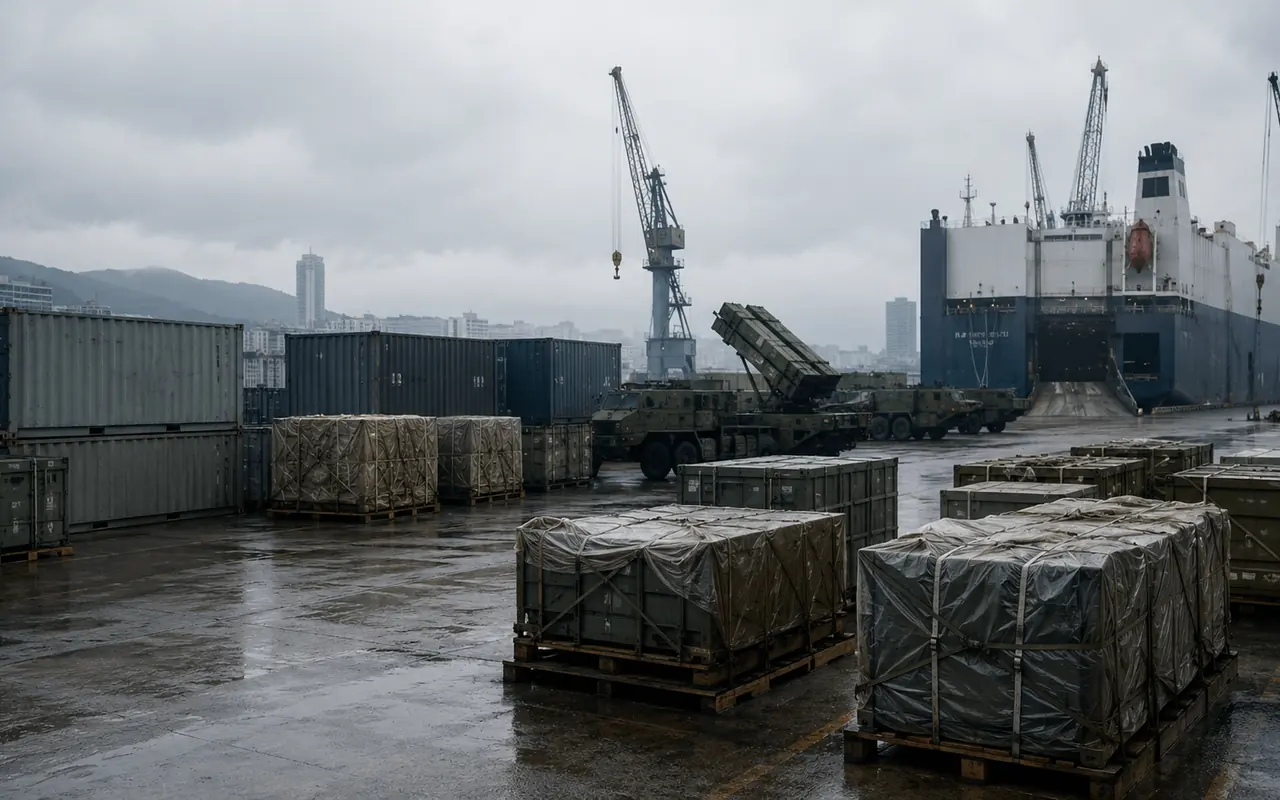
Paid For, Not Delivered: Taiwan's US$19 Billion Arms-Sales Backlog Is a Deterrence Black Hole
Taiwan has already paid out more than US$19 billion in arms-sales deposits — F-16V deliveries keep slipping, the Harpoon Coastal Defense System, though now prioritized, will not be fully delivered until 2028, and the exact quantity of PAC-3 MSE missiles has never been officially disclosed — weapons that exist only on paper deter no one. In the highest-risk window for the Taiwan Strait, Taiwan's core problem is not just chasing deliveries — it is having to redefine its own security logic.
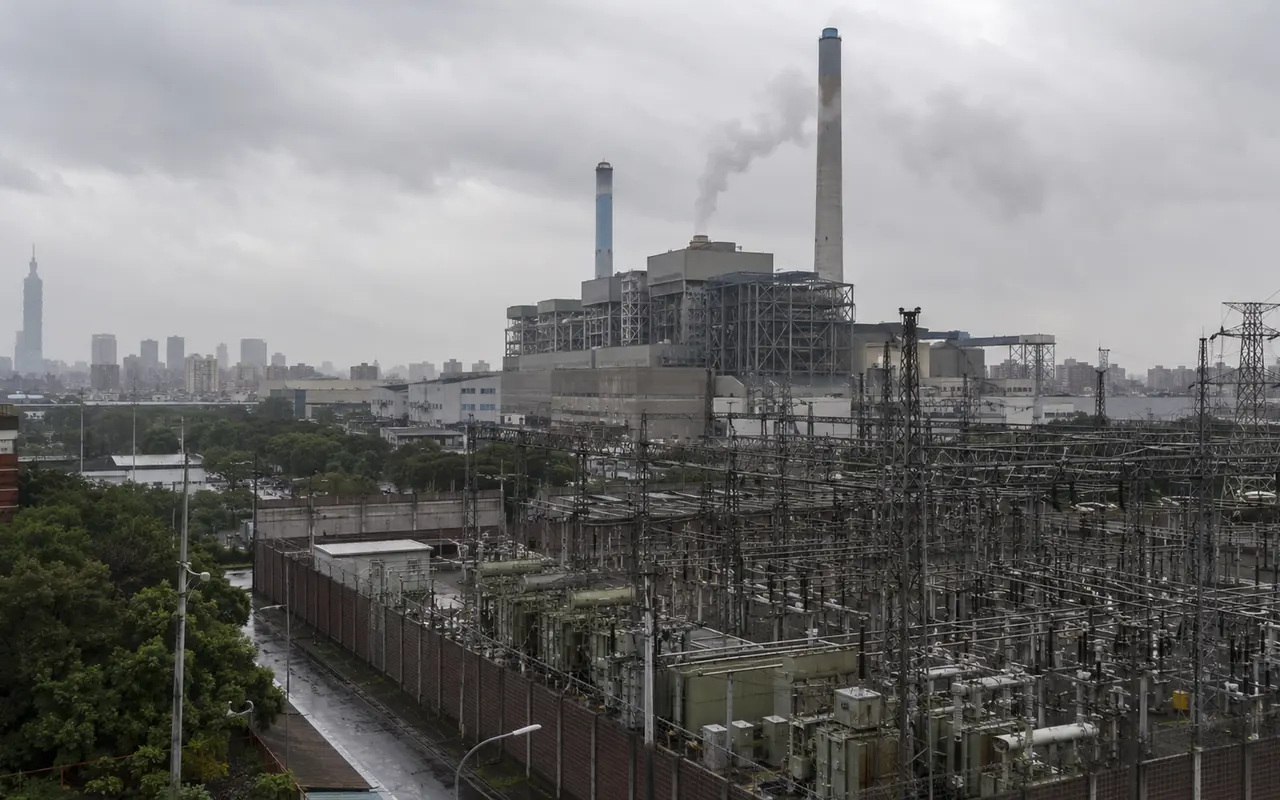
After the Great Recall: When National Security and Electricity Became Hostages to Political Warfare
In the summer of 2025, Taiwan mobilized a million petition signatures to try to rewrite the Legislative Yuan's power structure through a "Great Recall" — and all 31 recall motions failed. The ruling party's minority status was thereby locked in, dragging down a special defense budget cut by about forty percent, stalling the general budget for half a year, and forcing an overnight U-turn in energy policy. The most dangerous part: whenever Taiwan tears itself apart over defense and electricity, the side that welcomes it most has always been across the Strait.
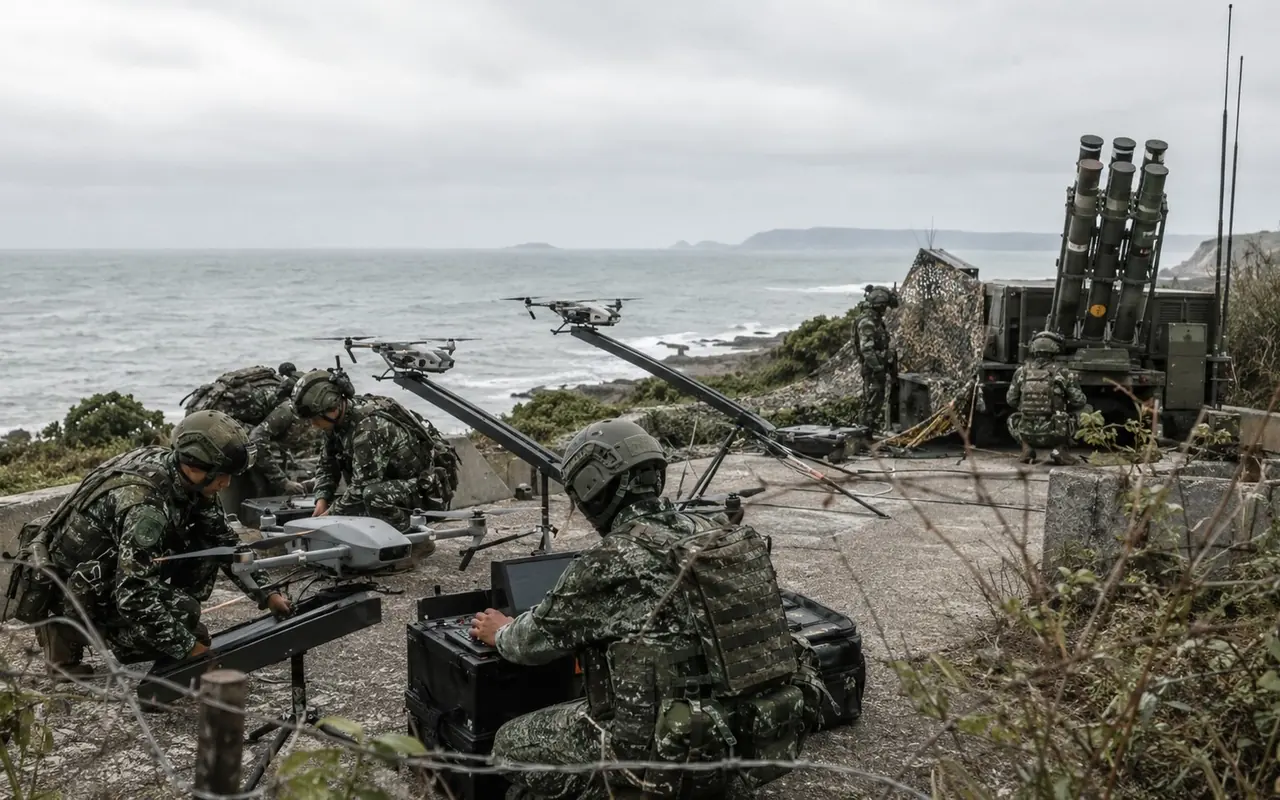
A Porcupine on Paper, or a Real One? The Execution Gap in Taiwan's Asymmetric Warfare Capability
Turn Taiwan into a porcupine — expensive and painful to bite into — with large numbers of cheap, hard-to-destroy drones and missiles that make an invasion hard to pull off. That direction is already a consensus; the armed forces have even issued a tender for nearly 50,000 domestically made drones. The real question isn't whether to do it — it's whether money can buy urgency along with the equipment. When the services are still infatuated with large platforms, when T-Dome may be crowding out asymmetric capability, and when the special budget is still being cut in the Legislative Yuan — have those quills actually grown on Taiwan's own body?
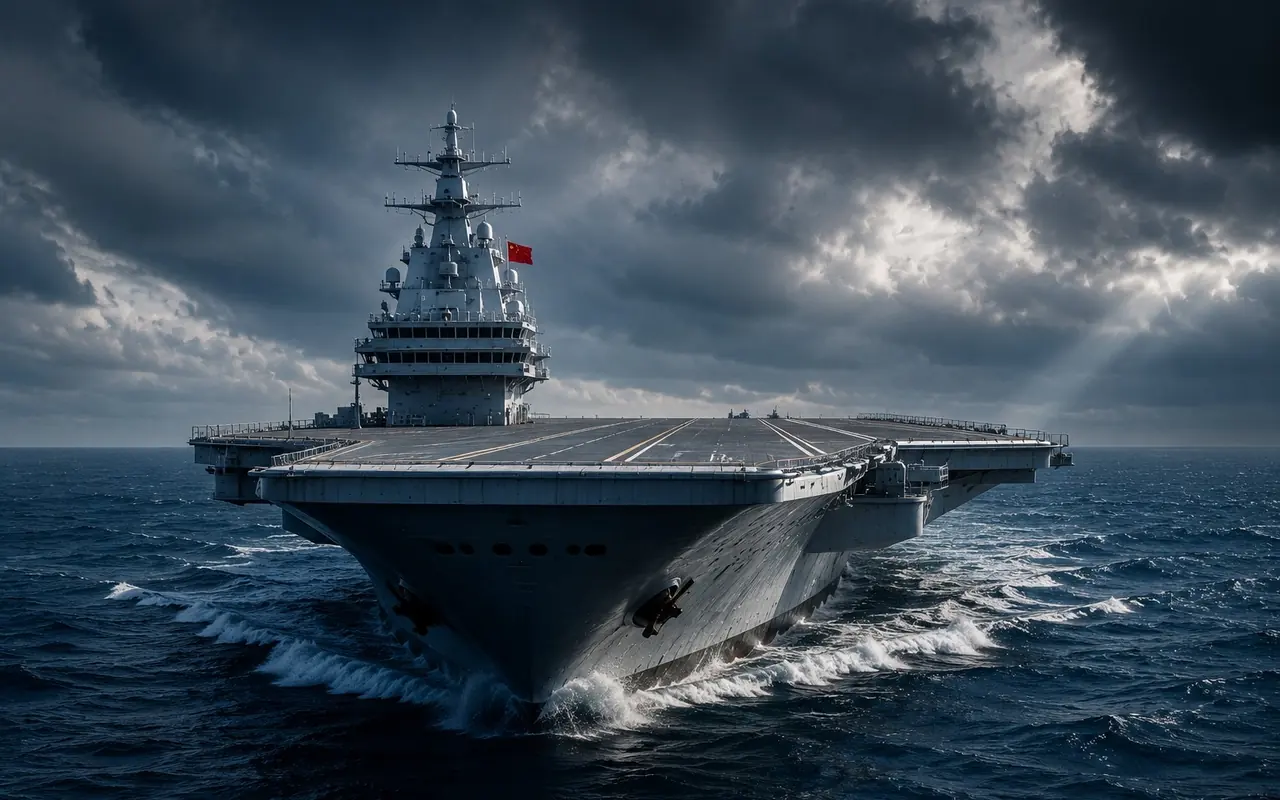
2027 Is Not a War Bell, It's a Readiness Alarm: Debunking the 'Deadline' Myth
"China will attack Taiwan in 2027" has become almost a synonym for national anxiety. But that year was never a prediction of when war will start — it is the benchmark year for when the PLA's capability to move against Taiwan is expected to be in place. In 2026 the U.S. intelligence community stated plainly that China has no fixed, unified timetable; at the same time, the carrier Fujian is estimated to reach full operational readiness this year, the Shuiqiao landing barges have appeared, and the Indo-Pacific Command chief has called the exercises encircling Taiwan a 'rehearsal for seizing Taiwan.' Capability is closing in, but intent has no timetable — both statements are true; the difference is between 'capability' and 'intent.'
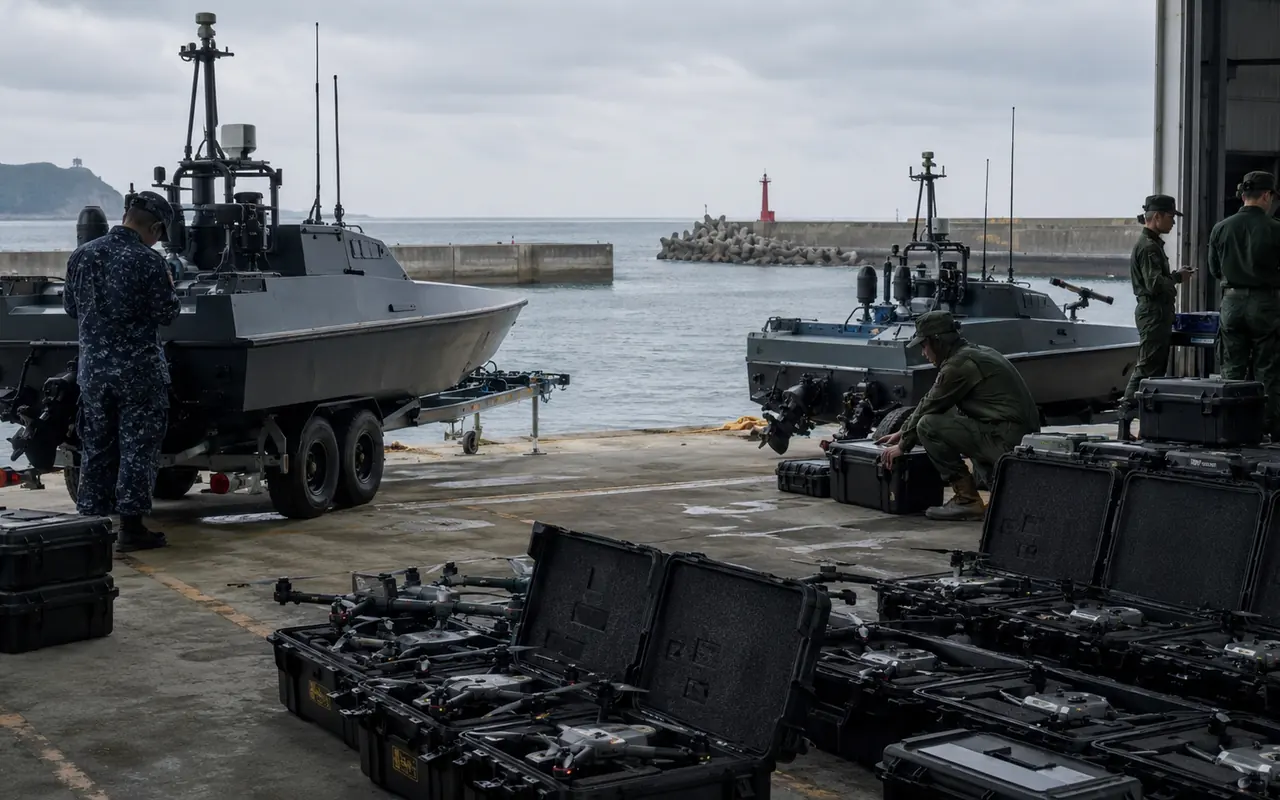
Defense Spending at 5%: Protection Money for Trump, or Deterrence Bought for Taiwan Itself?
Taiwan's defense budget is set to jump from 3.32% of GDP, as budgeted for 2026, to 5% by 2030 — the largest increase in its history; Trump has floated a figure as high as 10%. To get there, the government put forward a NT$1.25 trillion special budget to buy 200,000 drones, a thousand uncrewed vessels, and 'Taiwan's Shield.' But the Legislative Yuan has already cut that money down to NT$780 billion, a reduction of roughly 38%, with the air-defense budget discounted by about 36%. Is this astronomical sum 'protection money' or 'deterrence'? The answer lies not only in where the money goes, but in whether it can be spent at all.
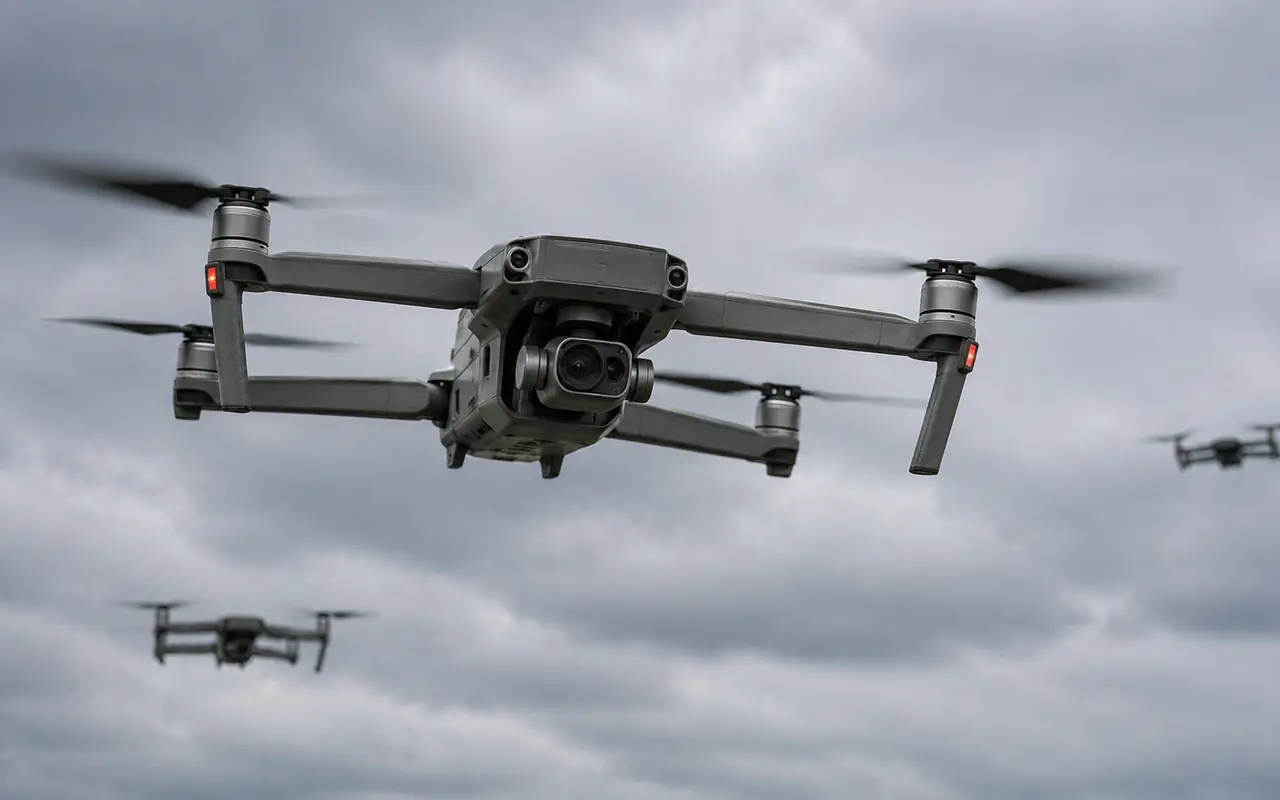
The European Warships Have Arrived — Taiwan's Real Leverage Is in Its Drones
British, French, and Italian carriers are lining up to sail into the Indo-Pacific, and China has used electronic warfare against a Dutch warship in response. But for Taiwan, these warships are mostly a 'flag-flying' exercise, not a guarantee — the leverage Taiwan can actually operate on its own is its drones, whose exports surged 749% in 2025 and topped $100 million in the first quarter of 2026, along with the irreplaceable position Taiwan holds in Europe's 'de-China' supply chain.
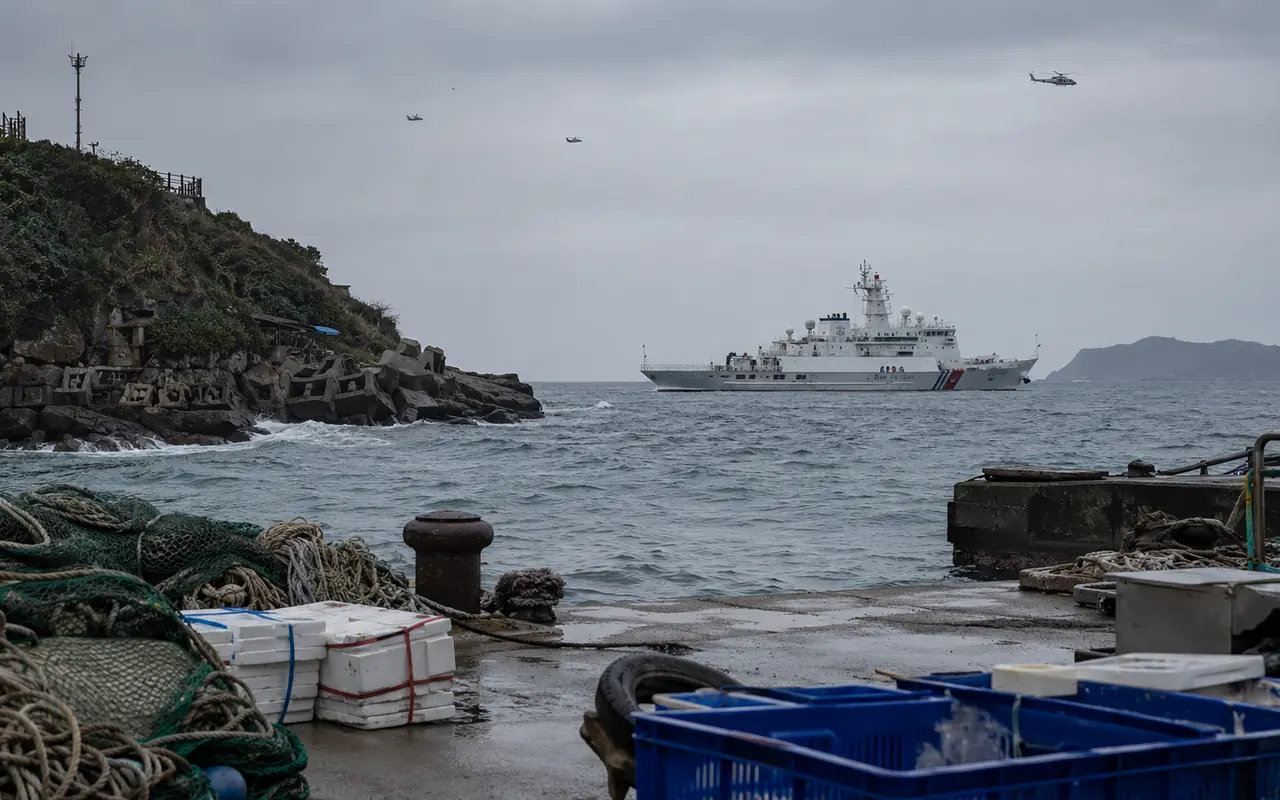
Gray Zone Full Field Guide: China's 'Salami-Slicing' Against Taiwan — No Single Cut Reaches War, but Together They Bleed It Dry
Chinese military aircraft and ships harass Taiwan almost daily — more than 4,000 sorties into the ADIZ in just the first nine months of 2025. Coast guard vessels 'enforce the law' around Kinmen and Matsu, undersea cables keep 'accidentally' snapping, farm and fishery products get banned, and disinformation floods social media. Looked at one at a time, none of it crosses the threshold of war, so Taiwan keeps telling itself to 'bear with it.' But laid out on one map, they reveal the same strategy: salami-slicing and boiling the frog. The goal isn't to invade Taiwan on some given day — it's to wear Taiwan down until it surrenders without a fight.
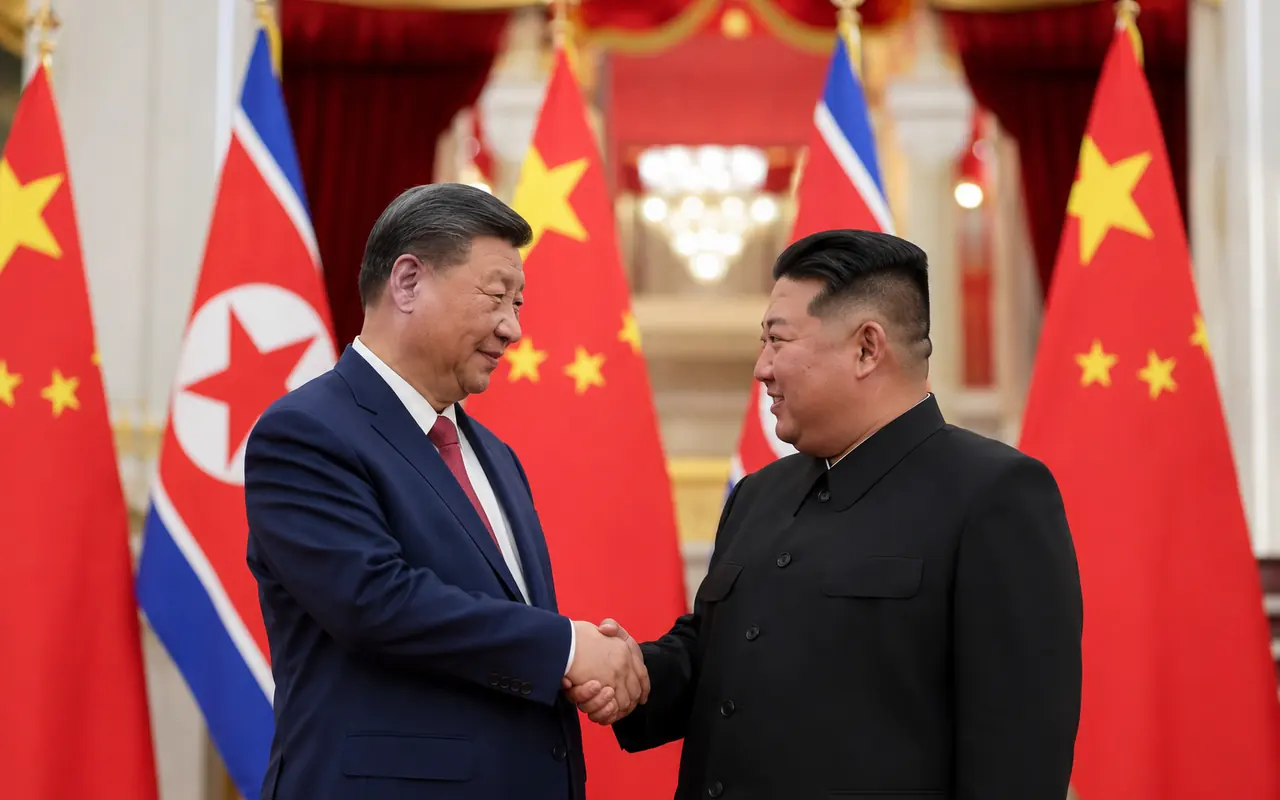
The Stone Xi Jinping Placed in Pyongyang: What His Silence on Denuclearization Means for Taiwan
Met Trump in May, met Putin in May, met Kim Jong Un in June. Xi Jinping's first visit to Pyongyang in seven years never mentioned denuclearization — and that silence says more than any statement could. For Taiwan, the real danger isn't a three-way alliance; it's how many places the United States can actually be, when three fronts catch fire at once.
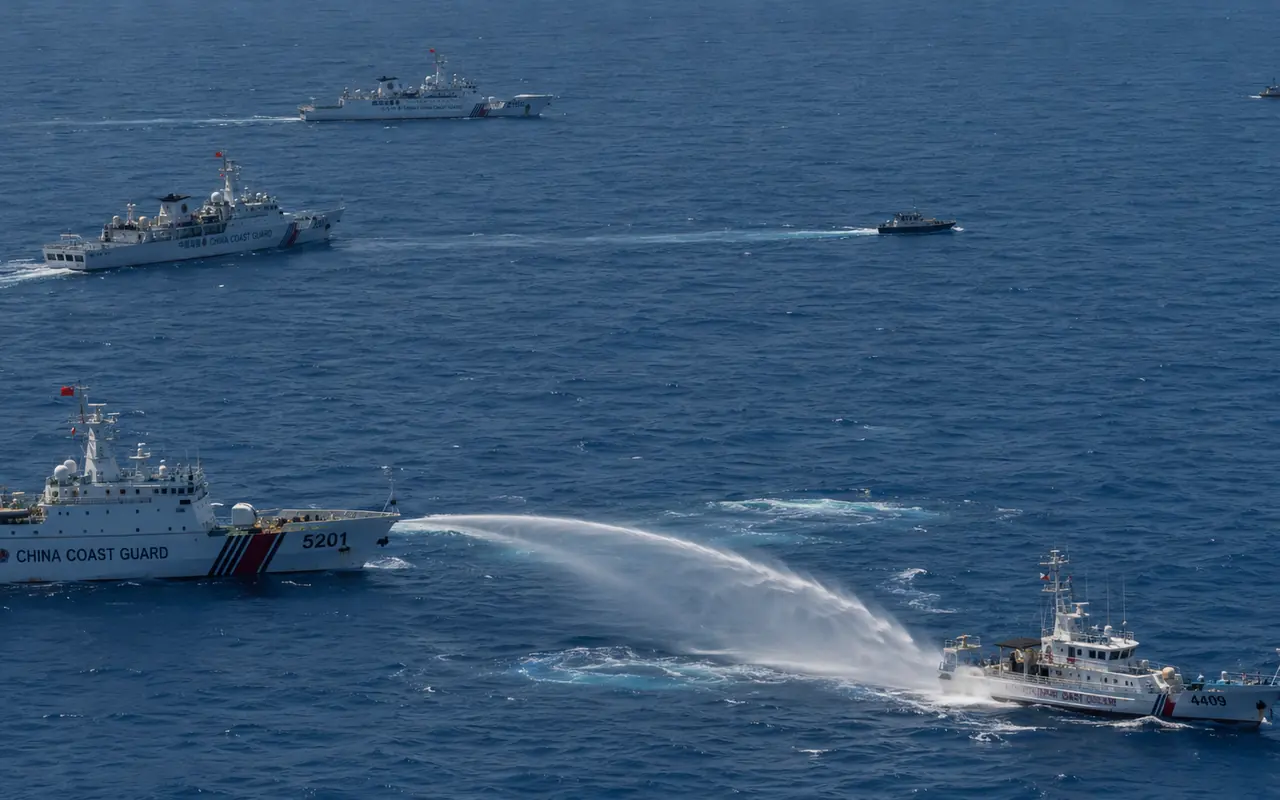
Rehearsal at Scarborough Shoal: The Philippines Is Practicing China's Gray-Zone Playbook for Taiwan
China placed a manned structure at Scarborough Shoal, sent four warships to encircle a Philippine frigate, and then quietly withdrew the structure two weeks later. Taiwan also claims this reef — and when Beijing rehearses its script of 'plant a structure, encircle, claim to have driven the intruder off' here, the Philippines is the first test subject. Watching from the audience, does Taiwan see a list of moves, or its own tomorrow?
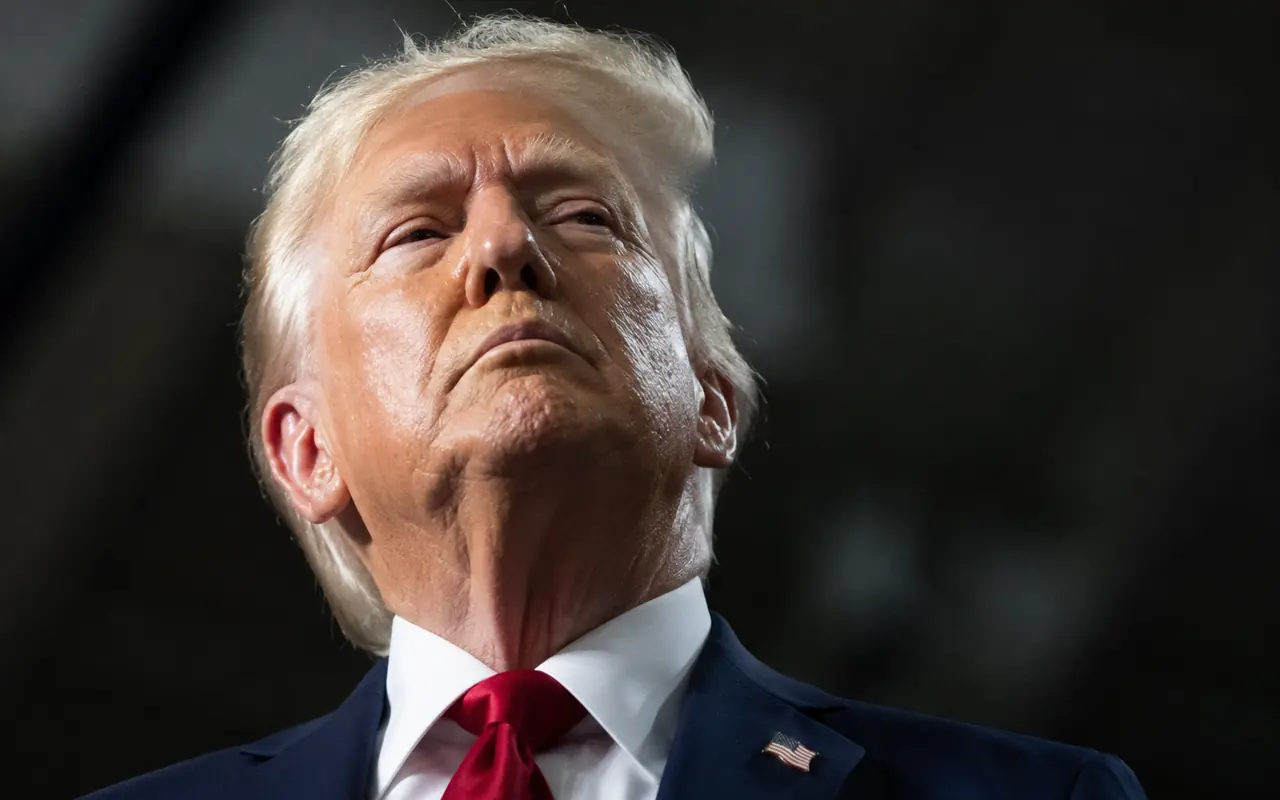
Protect Taiwan or Abandon It? Trump Turns Strategic Ambiguity Into a Transaction
In May 2026, after the Trump-Xi summit, the United States 'paused' a $14 billion arms sale package to Taiwan — and Trump publicly called it a 'bargaining chip.' Will he protect Taiwan? That question itself is the wrong one. He has upgraded America's traditional 'strategic ambiguity' into 'transactional ambiguity': whether — and how much — Taiwan gets protected depends on the leverage Taiwan holds. He approves arms sales with one hand and pauses them with the other, while pushing Taiwan's defense spending toward 10% of GDP. For Taiwan, this is neither betrayal nor guarantee.
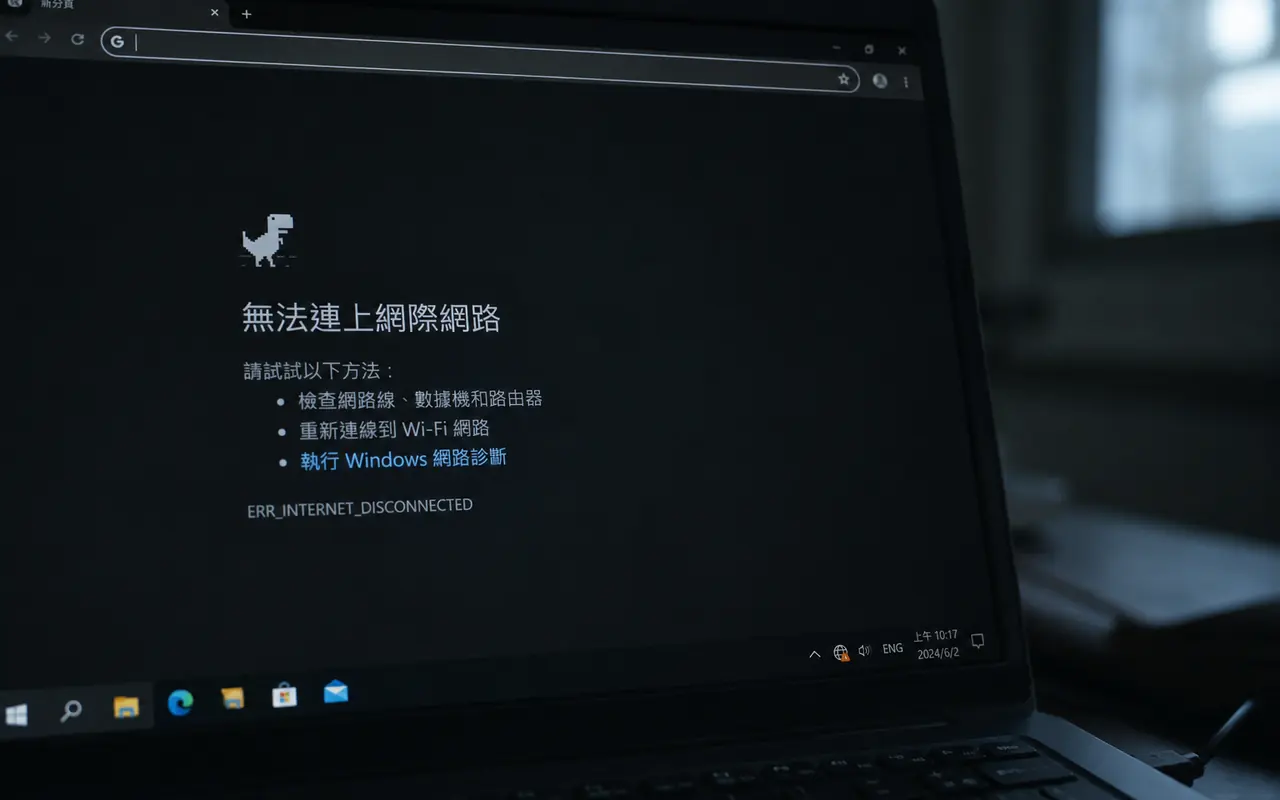
Cut One Line, Lose the Network for 50 Days: Taiwan's Invisible Information Lifeline
More than 90% of the world's intercontinental data moves through a handful of undersea cables — and Taiwan's own connections to the outside world rely just as completely on this same small number of cables. Matsu's cables have been cut more than twenty times in five years; in 2023, two trunk cables were severed at once and residents lost their connection for more than 50 days; in April 2026 a cable was cut for a third time. Is this fishing-boat anchors dragging by accident, or a gray-zone tactic of Chinese 'battlefield pre-positioning'? The real question is not whether it was China's doing — it is whether Taiwan can make sure that even when a line is cut, it still isn't cut off, and isn't thrown into chaos by rumor.
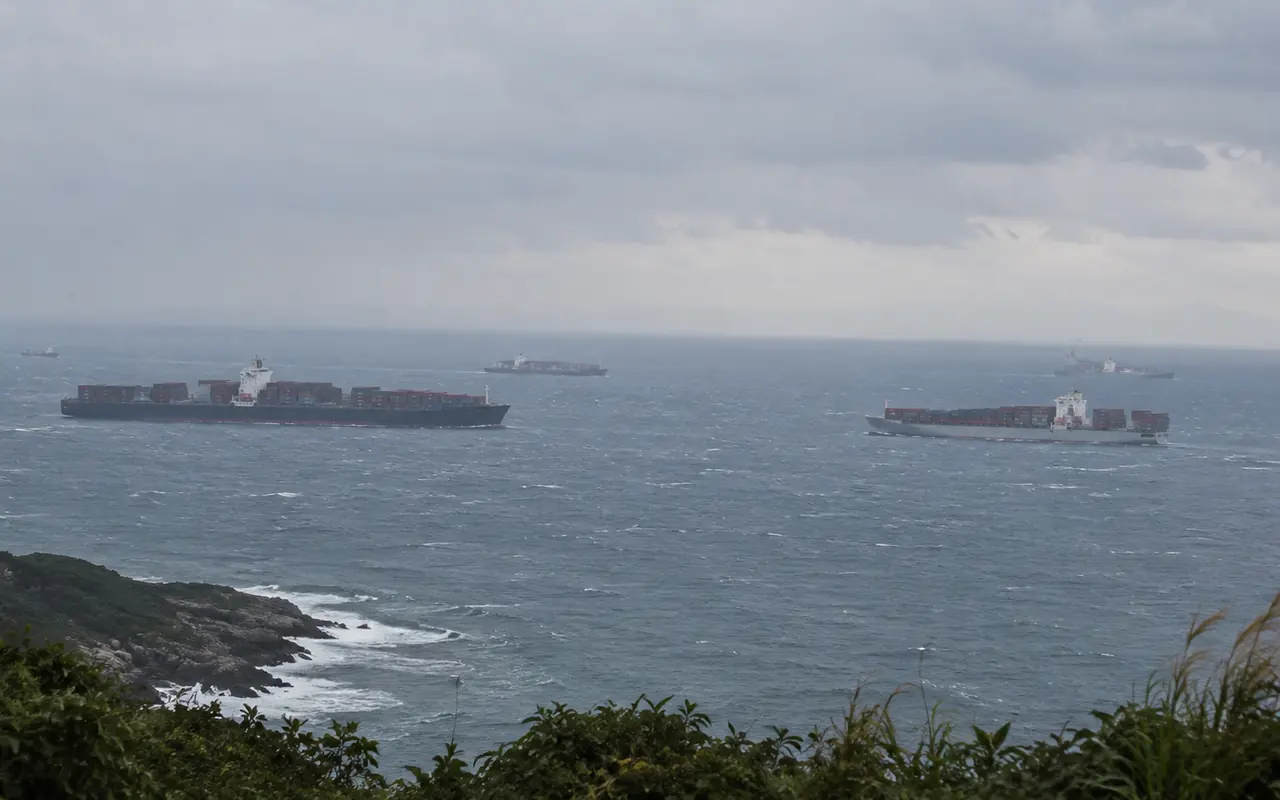
The Taiwan Strait's Ten-Trillion-Dollar Fault Line
A Taiwan Strait conflict could wipe out ten trillion dollars from the global economy and erase 10% of world GDP — a bigger hit than the Russia-Ukraine war, the pandemic, or the 2008 financial crisis each caused on their own. For Taiwan, this number isn't a scare tactic — it's a chip for deterrence, and a risk that has to be managed with a cool head.